How Beetroot Powder Boosts Nitric Oxide and Endurance Performance: The Short Answer
Beetroot powder works through the dietary nitrate to nitric oxide pathway. Nitrate (NO3-) is concentrated in saliva, reduced to nitrite by oral bacteria, then converted to nitric oxide (NO) in working muscle tissue, where it dilates blood vessels and improves oxygen delivery. Peak effect is 60 to 90 minutes after a 300mg+ dose. Measurable performance gains include 1 to 3% reduction in oxygen cost of submaximal exercise and 1 to 2% improvement in time-trial performance.
Nitric Oxide, Beetroot Powder and Endurance Athlete Performance
Article Summary:
- Nitric oxide (NO) is a molecule that plays a vital role in many physiological processes in the body, including blood flow, blood pressure, and the immune response
- Recent studies have shown that NO can also enhance athletic performance
- The main way NO improves endurance performance is by increasing blood flow and oxygen delivery to the muscles
- NO also improves the efficiency of muscle contractions and reduces muscle damage
- Beetroot powder is a convenient and effective way to boost NO levels
- Consuming beetroot powder consistently, over a period of time, before exercise, is more effective than taking it occasionally
- Regular exercise is another way to increase nitric oxide levels
What is Nitric Oxide?
Nitric oxide (NO) is a gaseous signaling molecule that regulates vascular tone, oxygen delivery, mitochondrial respiration, and muscle contraction efficiency. For endurance athletes, the relevant effect is vasodilation: NO relaxes the smooth muscle in blood vessel walls, widens the vessel diameter, and increases blood flow to working tissue. The molecule has a half-life of seconds in the body, so it is produced continuously rather than stored.
Nitric oxide is a naturally occurring molecule that plays a vital role in maintaining healthy athletic performance. It is a signaling molecule that helps regulate blood flow, oxygen delivery, and muscle function. As a result, nitric oxide supplements have become increasingly popular
PubMed: Nitric Oxide (NO) is quite an essential molecule for human metabolism since it plays an active role in body functions.
Recent studies have shown that NO can also enhance athletic performance, particularly in endurance athletes such as runners, cyclists, and triathletes.
Runners World: Science has long shown the benefits of beets for athletes: Runners who threw back a beet juice shot before racing cut 1.5 percent off their 5K race times, found a study published in the Journal of Applied Physiology
Where in the body is nitric oxide produced?
Nitric oxide is produced via two pathways. The enzymatic pathway converts L-arginine to NO via nitric oxide synthase (NOS) inside blood vessel walls. The dietary pathway begins in the mouth: nitrate from food is concentrated in saliva, reduced to nitrite by commensal oral bacteria, then converted to NO in muscle tissue. The dietary pathway is the one beetroot supplementation activates, and is the reason antibacterial mouthwash on race morning blocks the effect.
NO is largely produced through nitrates and bacteria in your mouth or gut.
Wikipedia: For the body to generate nitric oxide through the nitrate-nitrite-nitric oxide pathway, the reduction of nitrate to nitrite (by nitrate reductase, a bacterial enzyme) occurs in the mouth, by commensal bacteria, an obligatory and necessary step.
PubMed: NO is derived largely from enzymatic pathways, but a non-enzymatic pathway also exists. Enzymatic NO formation is catalyzed by NO synthase (NOS) through a series of redox reactions
How Nitric Oxide Improves Endurance Performance
Nitric oxide improves endurance performance through three mechanisms: vasodilation (wider blood vessels deliver more oxygen per heartbeat), improved mitochondrial efficiency (less oxygen required per unit of ATP), and lower vascular resistance (the heart pumps blood at a lower energy cost). The combined effect in published cycling and running studies is a 1 to 3% reduction in oxygen cost at submaximal intensities and a 1 to 2% improvement in time-trial finish times.
One of the main ways in which NO improves endurance performance is by increasing blood flow and oxygen delivery to the muscles.
PubMed: The most known and remarkable function of NO is its role in controlling vasodilatation, blood rate, and mitochondrial respiration and thus enhance performance.
When the smooth muscle in the walls of blood vessels relaxes, it leads to the dilation of blood vessels, which increases blood flow to the muscles. This increased blood flow and oxygen delivery allows the muscles to work harder and for longer periods of time before fatiguing.
Study Shows Nitric Oxide increases muscles strength by 7%
NO also improves the efficiency of muscle contractions by helping to regulate the balance between the contraction and relaxation of muscle fibers, which means athletes will be able to perform more work with less fatigue.
By increasing blood flow to muscles, nitric oxide also promotes muscle growth and lean muscle mass.
PUBMED Study: Cyclist 10-km Improved using Beet Nitrate Supplementation
Furthermore, NO may also help to reduce muscle damage caused by endurance exercise by reducing inflammation and oxidative stress, leading to faster recovery times and improved performance in subsequent training sessions.
How to Increase Nitric Oxide Levels
The three reliable ways to raise nitric oxide are dietary nitrate (300 to 500 mg from beetroot powder, leafy greens, or beet juice 60 to 90 minutes before exercise), regular aerobic training (which upregulates endothelial nitric oxide synthase), and L-citrulline supplementation (3 to 6 g per day as a precursor to L-arginine). Of these, dietary nitrate produces the largest acute performance effect on race day, while training produces the chronic baseline shift.
USADA: Nitric oxide is a gas that’s naturally produced in the body that increases blood flow by relaxing blood vessels, according to the U.S. Department of Defense. Because of this, it’s commonly found in pre-workout supplements that promise to boost strength and endurance.
Foods for Nitric Oxide
One of the most effective ways to boost NO levels is through the consumption of dietary nitrates, which are found in foods such as leafy greens, beets, and other vegetables.
Nitrates (NO3) are a naturally occurring compound found in many vegetables, fruits, and drinking water.
Nitrites (NO2) are a synthetic compound used as a preservative in processed meats and as a flavoring agent.
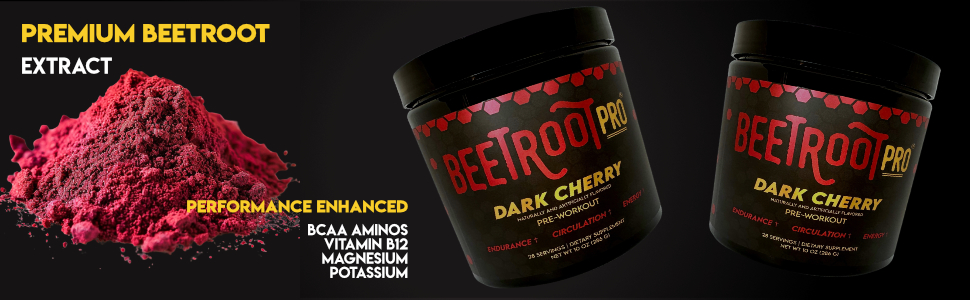
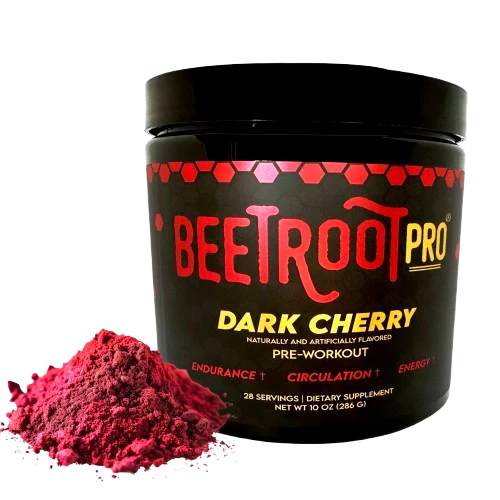
Beetroot Pro® Dark Cherry is specifically formulated with patented NO3-T® Nitrate Technology for maximum nitric oxide production, directly enhancing oxygen delivery and athletic performance.
Many studies have shown that consuming beetroot powder before exercise can significantly increase NO levels, leading to improved endurance performance.
In one study, runners who consumed beetroot juice before a 10k race were able to run faster and with less perceived effort compared to those who consumed a placebo.
5 Ways Beetroot Powder can Enhance your athletic performance
Similarly, in a study of cyclists, those who consumed beetroot juice before a time trial were able to ride faster and for longer than those who consumed a placebo.
Supplement Produces a "Striking" Performance Boost: Taking a dietary supplement to boost nitric oxide in the body can significantly boost stamina during high-intensity exercise. ScienceDaily
Best Timing for Nitric Oxide and Consistency
The most effective time to take beetroot powder before exercise is 1 to 2 hours before your workout.
It takes 1 to 2 hours for nitrates to be converted to nitric oxide and reach peak levels in the blood.
It's also important to note that consuming beetroot powder consistently, over a period of time, is more effective than taking it occasionally.
Regular Training & Exercise
Regular aerobic exercise increases nitric oxide production through endothelial adaptation: repeated shear stress on blood vessel walls during exercise upregulates endothelial nitric oxide synthase (eNOS) expression, raising the chronic baseline level of NO production at rest and during effort. Athletes with 5+ years of consistent endurance training typically show measurably better endothelial function than sedentary individuals of the same age.
Another way to increase nitric oxide levels is by doing regular exercise.
Gatorade Sports Science Institute: Dietary nitrate supplementation, typically via beetroot juice ingestion, has been shown to reduce the oxygen cost of low-intensity exercise
During exercise, the body produces more nitric oxide and this leads to an increase in blood flow and oxygen delivery to the muscles.
Nitric oxide plays a crucial role in enhancing athletic performance, particularly for endurance athletes. Beetroot powder is a convenient and effective way to boost nitric oxide levels, making it a great addition to any athlete's pre-workout routine.
When consumed consistently, over a period of time, before exercise, beetroot powder can help runners, cyclists, and triathletes push their limits and reach their full athletic potential.
Related Guides:
- Optimize your pre-workout strategy: Beetroot Pre-Workout Guide: Timing, Dosing & Protocol
- Explore supplements for peak aerobic power: VO2 Max Supplements: What the Science Actually Shows
Author- Cameron Hoffman
Continue reading
Related Articles
May 15, 2026
Oral Contraceptives and Nitric Oxide: What the Research Rarely Says
Oral contraceptives suppress endogenous estrogen, which affects eNOS activity and NO bioavailability. Female athletes on OCs may benefit more from dietary nitrate supplementation.
Mar 25, 2023
Beetroot Juice Boosts Muscle Performance: Study Finds 7% Power Increase
Learn more about Beetroot Juice Boosts Muscle Performance: Study Finds 7% Power Increase and how it impacts endurance performance on the Beetroot Pro® blog.
Jan 30, 2023
Beetroot Extract Improves Athletic Performance
Learn more about Beetroot Extract Improves Athletic Performance and how it impacts endurance performance on the Beetroot Pro® blog.
Technical
Beetroot Pro
- Patented betaine nitrate
- Acute Oxygen Efficiency
- Low Sugar / Oxalate Free
*Technical citations and PubMed references are provided for performance education only. These statements have not been evaluated by the FDA.