The IOC's 5 Evidence-Backed Endurance Supplements (2026): The Short Answer
The International Olympic Committee's 2018 consensus statement places five supplements in its good-to-strong evidence group: dietary nitrate, creatine, caffeine, beta-alanine, and sodium bicarbonate. Nitrate at 310 to 560 mg improves time trials by 1 to 3 percent; creatine at 3 to 5 g daily aids repeated sprints; beta-alanine at about 65 mg/kg daily over 10 to 12 weeks buffers acid in 30-second to 10-minute efforts; caffeine at 3 to 6 mg/kg lowers perceived effort; and sodium bicarbonate at 0.2 to 0.4 g/kg helps efforts around a minute long.
When athletes ask which supplements are actually worth taking, the most credible answer comes from the International Olympic Committee. In 2018, 25 sports nutrition, medicine and anti-doping experts published an IOC consensus statement in the British Journal of Sports Medicine that sorts supplements by the strength of their performance evidence (Maughan et al., BJSM 52(7):439-455, 2018).
The list is short. Of the hundreds of supplements marketed to endurance athletes, the statement places exactly five in its group with good-to-strong evidence of performance benefit: caffeine, creatine, dietary nitrate, beta-alanine, and sodium bicarbonate. Beetroot-derived nitrate is one of them.
This article explains what each of the five does, the protocol the IOC attaches to it, who benefits most, and how they fit into a practical endurance training and racing plan.
Why the IOC List Matters
The IOC's 2018 consensus statement, written by 25 sports nutrition and anti-doping experts, is the most widely cited independent review of performance supplements. It places just five (caffeine, creatine, dietary nitrate, beta-alanine and sodium bicarbonate) in its good-to-strong evidence group and ties each to a specific protocol and event type, which gives athletes a defensible way to prioritize their supplement budget.
The supplement market for endurance athletes generates billions of dollars annually, and most products on that market have no independent clinical evidence behind the claims on their labels.
The statement's value is that it does not issue blanket endorsements. Each of the five comes with a dose, a timing window and the kind of effort it helps. Nitrate, for example, is linked to efforts lasting roughly 12 to 40 minutes, and the statement calls the evidence equivocal for tasks under 12 minutes.
That context matters. It does not mean all five suit every athlete in every event. It does mean each one has cleared a bar most products never reach, and it tells you where each one earns its place.
The Five IOC-Recognized Supplements
The IOC's five are creatine (repeated high-intensity efforts under about 150 seconds), caffeine (3 to 6 mg/kg about 60 minutes before exercise), beta-alanine (about 65 mg/kg daily for 10 to 12 weeks, for 30-second to 10-minute efforts), sodium bicarbonate (0.2 to 0.4 g/kg, 60 to 150 minutes before, for efforts around a minute) and dietary nitrate (310 to 560 mg, 2 to 3 hours before, for efforts of 12 to 40 minutes).
| Supplement | Mechanism | IOC protocol | Timing | Performance context |
|---|---|---|---|---|
| Dietary nitrate (beetroot) | Nitric oxide pathway; muscle efficiency and blood flow | 5 to 9 mmol (about 310 to 560 mg) | 2 to 3 hrs before; more than 3 days of intake also helps | 1 to 3% in time trials under 40 min |
| Creatine | Phosphocreatine resynthesis | 20 g/day for 5 to 7 days, then 3 to 5 g/day | Daily | Repeated efforts under about 150 s |
| Caffeine | Adenosine receptor antagonism; lower perceived effort | 3 to 6 mg/kg | About 60 min before | Endurance and repeated sprints |
| Beta-alanine | Muscle carnosine buffering | About 65 mg/kg/day in split doses | Daily for 10 to 12 weeks | About 0.2 to 3% in 30 s to 10 min efforts |
| Sodium bicarbonate | Blood (extracellular) buffering | 0.2 to 0.4 g/kg | 60 to 150 min before | About 2% in sprints near 60 s |
The table orders them by relevance to long-distance aerobic performance, not by strength of evidence; all five sit in the same IOC evidence group.
1. Creatine
Creatine monohydrate is one of the most studied supplements in sports science. It increases phosphocreatine stores in muscle, which speeds ATP resynthesis during short, high-intensity efforts. The IOC statement notes the most pronounced effects in tasks under 30 seconds, with benefits for single and repeated bouts lasting up to about 150 seconds.
For endurance athletes, creatine is most useful in events or training phases that include repeated short sprints, hill attacks, or time trial finishes. Marathon runners and long-distance cyclists who never sprint have less to gain from creatine than criterium riders or middle-distance runners.
The IOC loading protocol is 20 grams per day divided into four doses for 5 to 7 days, followed by 3 to 5 grams per day. A slower approach (3 to 5 grams per day for about 28 days) reaches the same saturation with less risk of GI upset and is a common alternative.
Creatine commonly adds around 1 to 2 kg of body mass, mostly water held inside muscle, which matters for weight-class sports and for climbs where power-to-weight decides the result.
2. Caffeine
Caffeine is the most widely consumed performance supplement in the world, and the IOC statement confirms it works across endurance efforts and repeated sprints. It reduces perceived effort, delays fatigue, and improves time-trial and time-to-fatigue performance at 3 to 6 mg per kilogram of body weight.
For a 70 kg athlete, that is 210 to 420 mg, roughly equivalent to 2 to 4 cups of strong coffee. Higher doses provide little additional benefit and substantially increase GI distress, anxiety, and sleep disruption.
The IOC protocol times the dose about 60 minutes before exercise. It also describes a lower-dose option: under 3 mg/kg (about 200 mg) taken before and during exercise alongside carbohydrate. Habitual caffeine users develop some tolerance, which can slightly reduce the acute effect.
3. Beta-Alanine
Beta-alanine is the rate-limiting precursor to carnosine, a dipeptide stored in muscle that buffers hydrogen ions produced during hard efforts. More carnosine means more buffering capacity, which delays the burning sensation of high-intensity work.
The IOC statement puts the benefit at roughly 0.2 to 3 percent in continuous and intermittent efforts lasting 30 seconds to 10 minutes: 800-meter to mile running, pursuit cycling, and the decisive surges inside longer races. Small, but potentially meaningful.
It only works through chronic loading. The IOC protocol is about 65 mg per kg of body mass per day (roughly 4.5 g for a 70 kg athlete), split into 0.8 to 1.6 g doses every 3 to 4 hours to limit the harmless tingling (paresthesia), over 10 to 12 weeks. A single dose before a race does nothing.
4. Sodium Bicarbonate
Sodium bicarbonate (baking soda) is the blood-side counterpart to muscle carnosine. It raises the pH and bicarbonate concentration of the blood, which helps pull hydrogen ions and lactate out of working muscle.
The IOC statement credits it with roughly a 2 percent improvement in high-intensity sprints lasting around 60 seconds, with reduced effect as efforts extend past 10 minutes. Endurance athletes doing long steady efforts see little benefit because aerobic metabolism dominates.
The IOC protocol is a single 0.2 to 0.4 g/kg dose taken 60 to 150 minutes before exercise. Because GI distress is common, the statement also lists split doses spread over 30 to 180 minutes, or serial loading with three to four smaller doses a day for 2 to 4 days before an event.
5. Dietary Nitrate (Beetroot)
Dietary nitrate is converted in the body to nitrite and then nitric oxide. The IOC statement links it to several effects: better function of type II muscle fibres, a lower ATP cost of muscle force, more efficient mitochondrial respiration, and increased blood flow to working muscle.
The performance figures the statement reports are improvements of 4 to 25 percent in exercise time to exhaustion and 1 to 3 percent in sport-specific time trials lasting under 40 minutes, plus 3 to 5 percent in high-intensity intermittent team-sport exercise of 12 to 40 minutes. Evidence is equivocal for tasks under 12 minutes. A 2021 meta-analysis of 73 studies (Gao et al., Journal of the International Society of Sports Nutrition) found higher power output and longer time to exhaustion with nitrate, a small reduction in oxygen uptake, and no change in VO2max.
That profile makes nitrate most relevant to sustained efforts where economy decides the outcome, rather than short anaerobic finishes.
The IOC protocol is a 5 to 9 mmol bolus, about 310 to 560 mg of nitrate, with acute benefits generally seen 2 to 3 hours later. Our own recommended timing is 60 to 90 minutes before exercise, which fits a normal pre-race routine; the 60-minute timing protocol sets out the full routine. More than three days of daily intake also appears beneficial, and may be the better strategy for highly trained athletes, in whom gains are harder to obtain. Leafy greens, celery, rocket and beetroot are all high-nitrate foods.
See the full loading protocol guide for timing across race distances.
How the Five Supplements Work Together
The five target different pathways, so combining them is common: nitrate with caffeine (nitric oxide plus central nervous system effects), creatine with beta-alanine (phosphocreatine plus intramuscular buffering), and bicarbonate with beta-alanine for efforts of a few minutes. Sequencing matters: creatine and beta-alanine build up over weeks of daily use, while nitrate, caffeine and bicarbonate are timed to the session.
The five are not mutually exclusive, and several are commonly combined:
Nitrate plus caffeine: The mechanisms are independent, and most endurance athletes can use both. Practical timing: we recommend nitrate 60 to 90 minutes before (the IOC protocol uses 2 to 3 hours), caffeine about 60 minutes before.
Creatine plus beta-alanine: Both require chronic loading and are commonly combined for training blocks that include high-intensity intervals. Endurance360® carries 1,000 mg of beta-alanine and 1,000 mg of creatine monohydrate per serving in its 2,000 mg Endurance Blend.
Bicarbonate plus beta-alanine: One buffers the blood and the other buffers inside the muscle, which is why the pair is often discussed for efforts of 1 to 10 minutes. GI tolerance of bicarbonate remains the limiting factor. See beetroot vs. sodium bicarbonate for how bicarbonate compares with nitrate.
Caffeine plus creatine: Early studies raised the possibility that caffeine blunts creatine's effect; later evidence is mixed rather than settled, and many athletes use both.
Does Dietary Nitrate Actually Work, or Is It Hype for Trained Athletes?
Dietary nitrate earned its IOC place on real performance data: 1 to 3 percent faster time trials under 40 minutes and 4 to 25 percent longer time to exhaustion. The same statement notes that gains appear harder to obtain in highly trained athletes, which is where the "nitrate does not work for pros" headlines come from. It is not hype; training status, dose and individual response decide the result.
The skeptical take in cycling media usually traces back to studies in elite cohorts, where two things are true at once: years of training have already optimized baseline nitric oxide, and the margin separating finishers is so small that a 1 to 2 percent gain is hard to detect in a single trial. Neither finding contradicts the broader evidence base. A 2021 meta-analysis of 73 studies still found improvements in power output and time to exhaustion (Gao et al., 2021).
The practical reading for an endurance athlete:
- Training status sets the ceiling. If you are recreational to sub-elite, nitrate is one of the better-supported legal aids for sustained efforts. If you are a national-level pro, expect a smaller, more individual response.
- Dose and duration matter more at the top. The IOC statement suggests more than three days of intake may suit highly trained athletes, in whom single-dose gains are harder to see.
- Match it to the event. The reported benefits are in efforts of roughly 12 to 40 minutes and in time-to-exhaustion tests; evidence is equivocal under 12 minutes.
- Responders and non-responders are real. Test it across two or three key sessions before a goal race rather than judging it on a single workout.
What the IOC List Does Not Include
Most supplements sold to endurance athletes sit outside the IOC's good-to-strong performance group. BCAAs, glutamine, HMB, ribose and most adaptogen blends are not among the five, so their performance case rests on weaker or more context-dependent evidence. That does not make them harmful; it means they belong after the five in a supplement budget.
None of these appear in the IOC's good-to-strong performance group: branched-chain amino acids (adequate dietary protein covers most of the same ground), HMB (beta-hydroxy beta-methylbutyrate), glutamine, ribose, and most herbal extracts, including adaptogen blends. Endurance360 contains cordyceps and rhodiola, so this applies to our own formula too.
The practical reading: if you are prioritizing spend, the five above have a clearly better evidence base than anything else on the shelf.
For where the foundational nutrients (protein, iron, magnesium, omega-3, B12) fit around this core five, see our full ranked guide to the best supplements for endurance athletes.
Compliance Note
All five IOC-recognized supplements are permitted under the WADA Prohibited List; caffeine has sat on WADA's Monitoring Program rather than the Prohibited List since 2004. Tested athletes should still manage contamination risk by choosing products from cGMP-certified facilities. Beetroot Pro is manufactured in a cGMP-certified facility and ISO 17025 lab tested; it is not NSF Certified for Sport or Informed Sport certified.
Dietary nitrate, creatine, caffeine, beta-alanine, and sodium bicarbonate are all unrestricted for competitive athletes. Those are ingredient-level facts, and they say nothing about whether a finished product is free of contamination.
The IOC statement treats supplement contamination as a real risk regardless of an ingredient's regulatory status. Athletes competing in tested sports should prioritize products manufactured in certified facilities. Beetroot Pro is made in the USA in a cGMP certified, FDA-registered facility that holds NSF GMP certification, and is ISO 17025 lab tested. Drug-tested athletes should confirm with their governing body before use.
The Bottom Line
Of all the supplements marketed to endurance athletes, exactly five sit in the IOC's good-to-strong evidence group: creatine, caffeine, beta-alanine, sodium bicarbonate, and dietary nitrate. Each comes with a protocol and a performance context, so the right mix depends on your event's duration and intensity. Spend on these before anything else on the shelf.
The IOC's 2018 consensus statement includes dietary nitrate among the five, with a protocol of about 310 to 560 mg taken 2 to 3 hours before competition, reported gains of 1 to 3 percent in time trials under 40 minutes, and additional benefit from more than three days of intake.
The other four IOC supplements (creatine, caffeine, beta-alanine, sodium bicarbonate) target different physiological pathways and can be combined with dietary nitrate depending on event duration and intensity.
Not every athlete needs all five. Match each one to your event and your GI tolerance, test it in training, and only then add anything else.
To see how beet supplements compare on dose transparency, see the ingredient comparison guide.
References:
- Maughan RJ, Burke LM, Dvorak J, et al. "IOC consensus statement: dietary supplements and the high-performance athlete." British Journal of Sports Medicine, 2018;52(7):439-455.
- Gao C, Gupta S, Adli T, et al. "The effects of dietary nitrate supplementation on endurance exercise performance and cardiorespiratory measures in healthy adults: a systematic review and meta-analysis." Journal of the International Society of Sports Nutrition, 2021;18:55.
FDA Disclaimer: These statements have not been evaluated by the Food and Drug Administration. This product is not intended to diagnose, treat, cure, or prevent any disease.
Technical
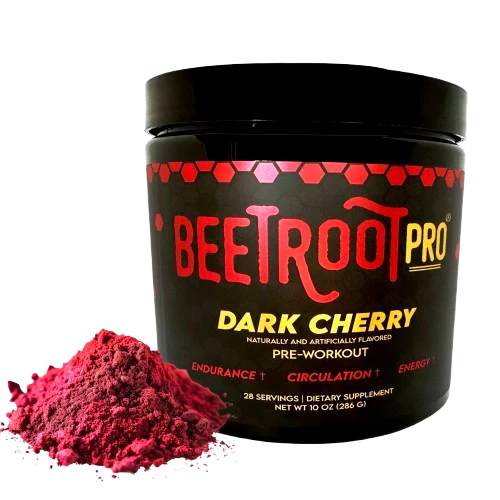
Beetroot Pro
Our product
- Patented betaine nitrate
- Acute Oxygen Efficiency
- 30 Calories Per Serving
Technical FAQ Extension
Which supplements does the IOC endorse for endurance athletes?
The International Olympic Committee 2018 consensus statement places five supplements in its good-to-strong evidence group for performance: dietary nitrate (beetroot), caffeine, beta-alanine, creatine, and sodium bicarbonate. For nitrate it reports 1 to 3 percent faster time trials under 40 minutes and 4 to 25 percent longer time to exhaustion. The IOC does not endorse brands or finished products, only ingredients used in specific protocols.
What does IOC recognition mean for a supplement?
It means the ingredient sits in the group the IOC expert panel judged to have good-to-strong evidence of performance benefit when used in a specific protocol and event type. It does not mean a finished product is drug-test certified, FDA-approved, or safe at any dose. For dietary nitrate the statement ties the benefit to efforts of roughly 12 to 40 minutes and calls the evidence equivocal for tasks under 12 minutes.
What supplements does the IOC classify as having insufficient evidence?
Rather than a blacklist, the IOC 2018 statement names a short group with good-to-strong performance evidence: caffeine, creatine, dietary nitrate, beta-alanine and sodium bicarbonate. Common products outside that group include BCAAs, glutamine, HMB, ribose and most adaptogen blends. That does not make them harmful; it means their performance case is weaker or more context-dependent, so they belong after the five in a supplement budget.
What are the evidence-based doses for the five IOC supplements?
The IOC consensus pairs each with a protocol: caffeine at 3 to 6 mg/kg about 60 minutes before exercise; creatine at 20 g/day for 5 to 7 days, then 3 to 5 g daily; beta-alanine at about 65 mg/kg daily in split doses for 10 to 12 weeks; sodium bicarbonate at 0.2 to 0.4 g/kg taken 60 to 150 minutes before; and dietary nitrate at 5 to 9 mmol (about 310 to 560 mg), with benefits generally seen 2 to 3 hours later, or taken daily for more than 3 days.
Related Articles
Apr 13, 2026
Vitamin B12 for Athletes: Dosing and Evidence (2026)
B12 drives oxygen delivery and energy metabolism in endurance athletes. Who needs it, the 500 to 1,000mcg dose that works, and deficiency warning signs.

Jun 19, 2026
Beetroot for Female Endurance Athletes: Dosing Guide
Female endurance athletes need 5-8 mmol dietary nitrate 2-3 hours pre-race, but iron deficiency cuts conversion efficiency up to 40%.
Jun 2, 2026
Natural Supplements That Lower Blood Pressure
Dietary nitrate, magnesium, potassium, and omega-3s have the strongest evidence for lowering blood pressure. Beetroot cuts systolic BP about 3 to 5 mmHg.
*Technical citations and PubMed references are provided for performance education only. These statements have not been evaluated by the FDA.