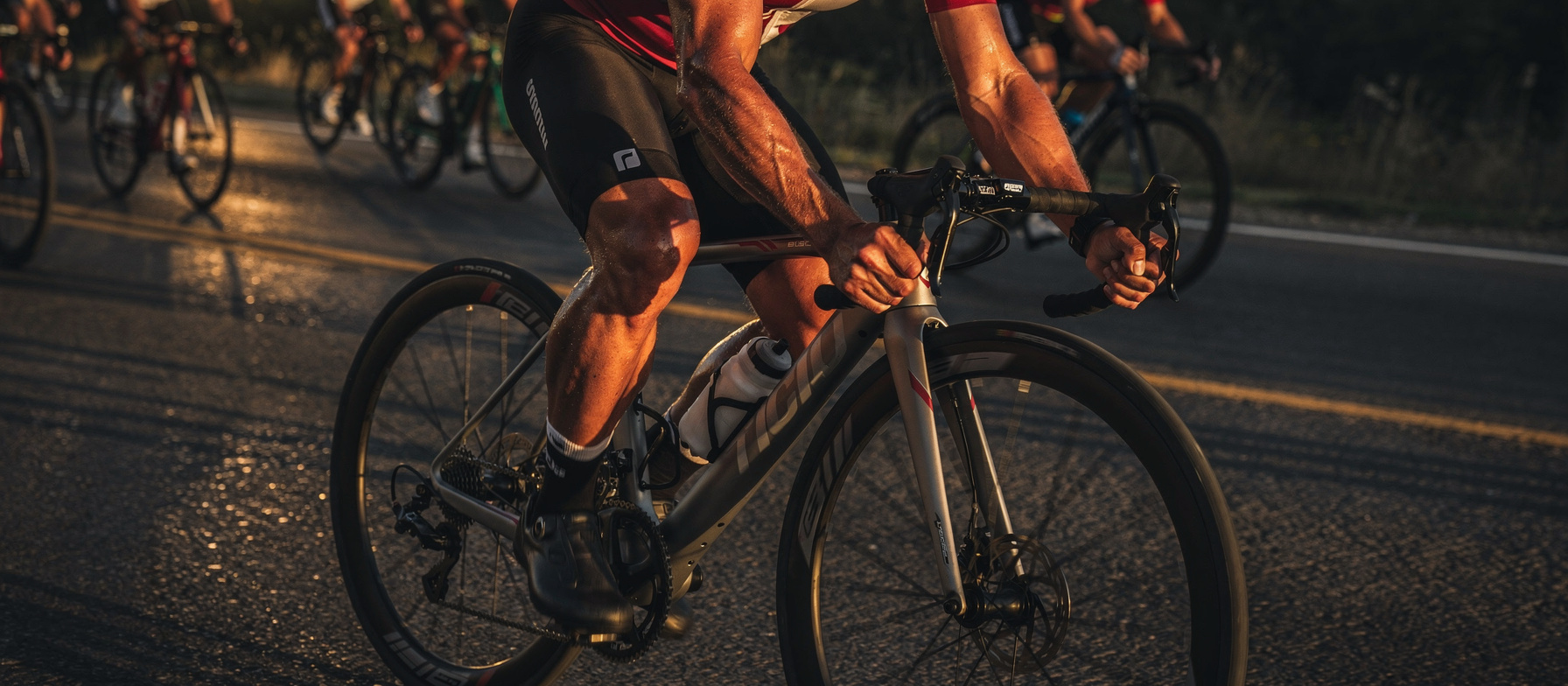
Stop Leg Cramps: Supplement Protocol & Risk Calculator: The Short Answer
The most effective supplements for preventing leg cramps in endurance athletes are magnesium, potassium, beta-alanine, creatine monohydrate, and taurine. Magnesium and potassium address electrolyte depletion; beta-alanine and creatine address the neuromuscular fatigue mechanism that causes the majority of cramps during long efforts. Full benefits from beta-alanine and creatine require 10 to 14 days of daily loading before the targeted event.
I have finished a hard century and spent the next three hours waking up every 45 minutes with calf cramps so bad I had to stand on the tile floor in the dark. If you have cramped at mile 80, or woken up at 3am with a calf locked solid, you already know the problem is not that you did not try hard enough.
Here is what most athletes get wrong: cramping has two separate causes, and almost everyone treats only one of them. Score both below, then build the protocol that fixes yours.
The Two Real Causes of Leg Cramps
Leg cramps in endurance athletes are not one condition. Sports science identifies two drivers: electrolyte depletion from sweat loss, and neuromuscular fatigue that disrupts the signalling between your nerves and your muscles. Both are real, both are fixable, and most athletes only ever treat the first one.
| Driver | What is actually happening | The fix |
|---|---|---|
| Electrolyte depletion | Sweat strips sodium, potassium, and magnesium faster than food and drink replace them | Personalized hourly sodium target, plus daily magnesium and potassium |
| Neuromuscular fatigue | Inhibitory signalling weakens under sustained load and the cramp reflex fires | Beta-alanine and creatine, loaded 10 to 14 days before the event |
The electrolyte story is the familiar one. Sweat heavily for three to five hours and you lose sodium, potassium, magnesium, and calcium fast enough to deplete your reserves over the ride. Without those minerals, muscle contraction cannot regulate itself cleanly. Sweat sodium loss varies three to fourfold between athletes, so a generic electrolyte target is wrong for most people; the free sodium calculator sets an hourly target from your body weight, sweat history, and race-day climate.
The neuromuscular story is the one that explains the athlete who does everything right and still cramps. Developed in detail by Professor Martin Schwellnus, it holds that in trained athletes the bigger driver is altered neuromuscular control from sustained effort (Schwellnus et al., 2008). Your muscles tire, the inhibitory signals that prevent runaway contractions weaken, and a cramp fires. This is why highly fit, well-hydrated athletes still lock up at mile 80 of a century.
A 2008 review in Current Sports Medicine Reports put both mechanisms side by side: "Skeletal muscle overload and fatigue from overuse or insufficient conditioning can prompt muscle cramping locally in the overworked muscle fibers" and "extensive sweating and a consequent significant whole-body exchangeable sodium deficit can lead to more widespread muscle cramping, even when there is minimal or no muscle overload."
Both are live on a hot summer ride. Treating one leaves you half-protected.
The Heat Multiplier
Cramping frequency roughly doubles in summer heat, because heat activates both mechanisms at once. Sweat rate climbs (more electrolyte loss), core temperature rises (faster neuromuscular fatigue), and thermoregulation pulls blood flow away from working muscle.
Sweat rates on a hard summer ride can exceed 1.5 liters per hour: 1,500 to 2,500 mg of sodium, 200 to 400 mg of potassium, and 50 to 100 mg of magnesium gone every hour. Replacing that through food and drink alone across four hours is close to impossible.
The 5 Supplements With Evidence for Cramp Prevention
The five supplements with the strongest evidence are magnesium, potassium, beta-alanine, creatine monohydrate, and taurine. Magnesium and potassium target electrolyte depletion. Beta-alanine, creatine, and taurine target neuromuscular fatigue. The protocols that actually work combine both groups.
| Supplement | Primary Mechanism | Loading Required | Evidence |
|---|---|---|---|
| Magnesium | Muscle relaxation, electrolyte replenishment | No | Weak for cramps (see below) |
| Potassium | Membrane potential, nerve signaling | No | Strong |
| Beta-Alanine | Muscle carnosine buffer | Yes, 10 to 14 days | Strong |
| Creatine Monohydrate | ATP regeneration, intracellular hydration | Yes, 10 to 14 days | Strong |
| Taurine | Calcium signaling, osmoregulation | No | Moderate |
Magnesium
Magnesium regulates muscle contraction and relaxation at the cellular level, and endurance athletes run chronically low. A hard four-hour ride can strip 50 to 100 mg through sweat alone.
The cramp research is weaker than magnesium's reputation. A 2020 Cochrane review of 11 trials found magnesium unlikely to give clinically meaningful cramp prevention in older adults with nocturnal cramps, and found no trials at all in exercise-associated cramps (Garrison et al., 2020). Its place here rests on replacing what sweat removes, at 300 to 400 mg of elemental magnesium daily, not on proven cramp prevention.
Form matters. Magnesium glycinate and malate absorb far better than oxide, which is cheap and largely wasted.
Potassium
Potassium is the primary intracellular electrolyte in muscle, controlling the electrical gradient that lets a muscle relax after it contracts. When sweat drops it, the resting membrane potential destabilizes: easier to trigger an involuntary contraction, harder to shut one off.
A 160-pound athlete can lose 300 to 600 mg of potassium over a hot three to five hour ride, a meaningful slice of the 3,500 to 4,700 mg daily target. Across a multi-day training block it accumulates faster than diet replaces it.
| Electrolyte | Sweat Loss (per hour, hard effort) | Daily Target |
|---|---|---|
| Potassium | 150 to 400 mg | 3,500 to 4,700 mg |
| Magnesium | 50 to 100 mg | 160 mg |
| Sodium | 500 to 1,500 mg | Varies by sweat rate |
| Calcium | 20 to 60 mg | 1,000 to 1,200 mg |
Potassium and magnesium together beat either alone. Both are lost in sweat, both are required for normal muscle cell electrical function, and supplementing one leaves the other half open.
Beta-Alanine: The Overlooked Cramp Supplement
Beta-alanine raises muscle carnosine, a pH buffer that keeps muscle tissue from turning too acidic during hard efforts. The cramp connection gets missed: as pH drops, the threshold for involuntary muscle firing drops with it. More acid means a lower trigger point.
Harris et al. (2006) found that 3.2 to 6.4 g of beta-alanine daily for 4 weeks raised muscle carnosine by roughly 42 to 64 percent. That trial measured carnosine, not cramping, so the cramp link is a mechanism rather than a tested outcome.
This is why athletes who load beta-alanine consistently report fewer cramps on hard efforts and at the end of long rides, even when nothing about their hydration changed.
Beta-alanine does nothing on race morning. It needs 10 to 14 days minimum to move muscle carnosine meaningfully, and 4 to 8 weeks for full saturation, so start the loading block at least two weeks before your goal event. The skin tingling in the first week is paresthesia: normal, harmless, and it fades.
Creatine Monohydrate
Creatine prevents cramps through two mechanisms. It increases intramuscular water content, keeping fibers hydrated at the cellular level. This matters more than it sounds: sports drinks hydrate the plasma and the space between cells, while creatine hydrates inside the muscle cell, where the contraction machinery actually lives.
Second, creatine accelerates ATP regeneration. When a muscle runs low on ATP, the calcium pumps controlling contraction and relaxation lose effectiveness and the cell tends to stay partially contracted. Creatine phosphate is the fastest ATP replenishment pathway you have.
The dose is 3 to 5 grams daily, and like beta-alanine it needs a loading window before anything changes. No mega-loading phase is required: the 20-gram-per-day protocols from the 1990s were built for bodybuilders trying to saturate in 5 to 7 days. They cause GI distress and are pointless for an endurance athlete with two or more weeks before a goal event.
Taurine
Taurine helps regulate intracellular calcium signaling, one of the key triggers for sustained contraction. Low taurine impairs calcium handling, which prevents proper relaxation after a contraction.
It also has an osmoregulatory role, helping cells hold fluid and electrolyte balance.
The working dose is 1 to 2 g daily, and unlike beta-alanine and creatine it needs no loading window.
The Anti-Cramp Loading Timeline
The electrolyte components work within the first week. The neuromuscular components need 10 to 14 days to cross the threshold where they change anything, and 4 to 8 weeks for full saturation. This is why athletes who start three days before a race conclude that supplements do not work.
| Supplement | Daily Dose | Timing |
|---|---|---|
| Magnesium (glycinate or malate) | 300 to 400 mg elemental | Evening, with food |
| Potassium | 200 to 400 mg supplemental | With meals |
| Taurine | 1 to 2 g | Any time, with food |
| Beta-Alanine | 3.2 to 6.4 g | Split doses with meals |
| Creatine Monohydrate | 3 to 5 g | Any time, daily consistency matters |
Days 1 to 7. Magnesium, potassium, and taurine begin acting. Some athletes notice reduced nocturnal cramping inside the first week.
Days 10 to 14. Beta-alanine and creatine reach meaningful muscle saturation. Cramping frequency during training starts to drop.
Weeks 4 to 8. Full carnosine saturation. Most athletes report near-complete elimination of training-induced cramps in this window.
If your goal event is 6 to 8 weeks out, the timeline is on your side. The 14-day E360 loading plan sets your start date from your event date.
Does Creatine Cause Leg Cramps? The Myth, Busted
No, and the available evidence points the other way. Studies in college football players found creatine users had fewer cramps and injuries than non-users, including in hot, humid training. Those studies were open-label rather than placebo-controlled, but no well-designed study has shown creatine causes cramping. The myth grew from 1990s anecdotes.
The myth had a plausible mechanism: creatine draws water into muscle cells (true), so a dehydrated athlete taking creatine should cramp more. It turned out to be backwards. The water drawn into the cell is exactly the water that protects against cramping.
A 2003 study in the Journal of Athletic Training followed 72 Division IA football players through a season of training and games in temperatures up to 37 C. The 38 who chose to take creatine had significantly fewer cramps, muscle strains, muscle tightness, and heat illness or dehydration episodes than non-users, with no difference in missed practices (Greenwood et al., 2003). Players picked their own group, so it was not a placebo-controlled trial.
Two things likely muddied the picture. The 1990s protocols used 20 to 25 grams per day for 5 to 7 days, doses that cause real gastrointestinal distress; GI cramping may simply have been misreported as muscle cramping. And athletes who start creatine usually start training harder at the same time.
If you cramped after starting creatine, the training load increase is the more plausible culprit. Add 16 to 24 oz of fluid per day during the first week to cover the increased intramuscular water demand.
Potassium and Muscle Cramps: What the Research Actually Shows
Potassium helps set the electrical potential that lets muscle cells relax. Supplementing 200 to 400 mg daily as part of a full electrolyte protocol replaces sweat losses, but no controlled trial has shown it prevents exercise cramps. It is not sufficient on its own, because trained athletes also cramp from neuromuscular fatigue that no electrolyte can reach.
Isolating potassium in research is hard because athletes lose several minerals at once, and the direct evidence is thin: a 2009 review by Schwellnus found that four prospective cohort studies did not support electrolyte depletion as the cause of exercise-associated cramps. The practical reasoning for potassium is:
- Athletes with low dietary potassium cramp more often than those with adequate intake
- Potassium supplementation reduces nocturnal leg cramps in deficient athletes
- Potassium plus magnesium beats either one alone
The banana myth. A medium banana carries roughly 420 mg of potassium. That helps, but it cannot replace what a four-hour ride in heat takes out at up to 400 mg per hour, and it does nothing at all for the neuromuscular side.
If you are hydrated, taking electrolytes during the ride, and still cramping, you are almost certainly looking at neuromuscular fatigue. That needs beta-alanine and creatine loaded over 10 to 14 days beforehand, not more electrolytes during.
Build Your Protocol
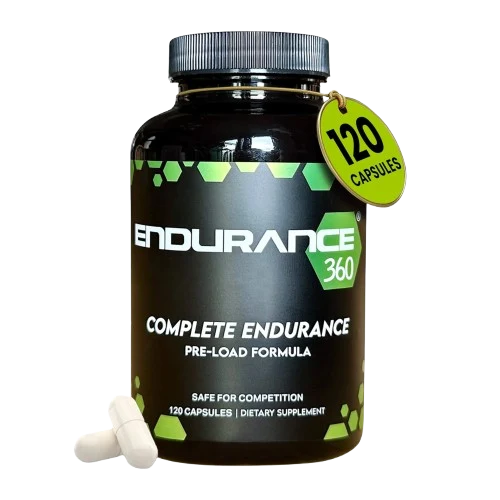
Running all five supplements separately means five products, five doses, and five loading schedules. Endurance360 Complete covers the three neuromuscular compounds in one formula. It does not cover the electrolyte side, so pair it with a basic electrolyte source, which costs pennies a day.
Endurance360 Complete contains beta-alanine and creatine monohydrate in its disclosed 2,000 mg Endurance Blend, plus taurine inside a 310 mg amino blend, alongside cordyceps and rhodiola. Those are the neuromuscular-fatigue group, which is the mechanism that dominates in trained athletes on long efforts.
What it is not: an electrolyte product. The only mineral on its label is 20 mg of calcium, with no dosed magnesium or potassium. If cramping is your primary concern you still need a separate electrolyte source alongside it.
The reviews below are from verified purchasers dealing with real cramping conditions: century rides, 200-mile events, summer heat, and the exact moment at the end of a hard day when legs usually fall apart. The pattern is what you would expect from a neuromuscular intervention rather than an electrolyte one.
"Since I started using Endurance360 every day I have been free from leg cramps at night after long hard rides and races. That is the most noticeable benefit for me."
"Did an 80 mile day with 8,000ft climbing in 90 degree weather, and no cramps or muscle spasms! Super impressed with this product."
"I work outdoors in the heat and this product is very effective in reducing leg cramps when taken after work."
"I experience far less fatigue, cramping and lactic acid build up. On 100 or 200-mile rides, I have learned that Endurance 360 is a must for me."
"Going to bed with calves that aren't screaming."
For the electrolyte half, stop guessing. Two athletes riding the same century in the same heat can lose very different amounts of sodium. Run your numbers through the sweat sodium calculator for a personalized hourly target, then layer the neuromuscular supplements on top.
Frequently Asked Questions
The questions below cover the three most common cramp-prevention mistakes: relying on electrolytes alone, fearing creatine, and assuming a banana replaces an hour of potassium loss. For broader dosing questions across the full lineup, see the FAQ page.
What supplements actually prevent leg cramps in endurance athletes?
Magnesium, potassium, beta-alanine, creatine monohydrate, and taurine. The first two address electrolyte depletion; the last three address neuromuscular fatigue. Combine both groups, because most cramping in trained athletes involves both mechanisms at once.
Does magnesium really help leg cramps?
Not reliably. A 2020 Cochrane review found magnesium unlikely to prevent nocturnal cramps in older adults, and found no trials in exercise-associated cramps. It is still worth replacing what you sweat out: 300 to 400 mg of elemental magnesium daily as glycinate or malate, not oxide.
Does creatine cause leg cramps?
No. Studies in college football players found creatine users had fewer cramps and muscle injuries than non-users. It increases intramuscular water and speeds ATP regeneration, both of which cut cramp risk. If you cramp while taking creatine, look at your training load or your electrolytes.
Why do my legs cramp more in summer heat?
Heat amplifies both mechanisms at once. It raises sweat rate (more electrolyte loss), raises core temperature (faster neuromuscular fatigue), and diverts blood away from working muscle. That is why summer is the highest-risk period for US endurance athletes.
Is potassium or magnesium better for leg cramps?
Neither. You need both. Potassium controls the muscle cell membrane's electrical state; magnesium governs the calcium pumps that let the muscle relax. Each deficiency cramps you through a different route, so supplementing one leaves the other open.
How long before a supplement protocol stops my cramps?
Magnesium and potassium work inside the first week, because they need no loading phase. Beta-alanine and creatine take 10 to 14 days to reach a measurable threshold and 4 to 8 weeks for full benefit. Most athletes on a complete protocol see a significant drop within 2 weeks.
Why do I cramp even when I drink plenty of electrolytes during a ride?
Because you are treating the wrong mechanism. Hydrated, well-dosed athletes who still cramp are almost always experiencing neuromuscular fatigue. The fix is beta-alanine and creatine loaded for 10 to 14 days before the event, not more electrolytes during it. Trained athletes pushing hard for 4 or more hours are the most vulnerable group.
The Bottom Line
Leg cramps run on two mechanisms, and the strategy that works addresses both. Magnesium and potassium cover electrolyte depletion. Beta-alanine, creatine, and taurine cover neuromuscular fatigue. Treat one and you are half-protected on long, hot efforts.
The creatine myth is exactly backwards: it is one of the best-studied cramp-prevention tools available. Potassium is real science rather than folk medicine (see potassium's broader role in sports performance), but it is half the equation. And electrolytes alone will not save a trained athlete watching their legs lock up at mile 70. Magnesium gets a fuller treatment in why magnesium is essential for endurance athletes.
If you have a summer event on the calendar, the loading window is now. Score your risk with the calculator above, set your protocol start date with the 14-day loading plan, and pair it with a personalized hourly target from the sodium calculator.
Not training for an event, just trying to stop waking up at 3am? The mechanism is the same one covered here, but the general guide to nighttime charley horses covers the non-training risk factors (age, pregnancy, medications, sedentary days) this post does not.
Technical FAQ Extension
What supplements actually prevent leg cramps in endurance athletes?
Magnesium, potassium, beta-alanine, creatine monohydrate, and taurine. The first two address electrolyte depletion; the last three address neuromuscular fatigue. Combine both groups, because most cramping in trained athletes involves both mechanisms at once.
Does magnesium really help leg cramps?
Yes. Magnesium deficiency is one of the most consistent risk factors for cramping in endurance athletes. Take 300 to 400 mg of elemental magnesium daily as glycinate or malate, not oxide. It works particularly well on nocturnal calf cramps after long training days.
Does creatine cause leg cramps?
No. Controlled studies show no increase in cramping with creatine, and an open-label study in college football players (Greenwood 2003) found fewer cramps among creatine users. It increases intramuscular water and speeds ATP regeneration, which may lower cramp risk. If you cramp while taking creatine, look at your training load or your electrolytes. The myth originated in uncontrolled anecdotes from the 1990s, when 20 to 25 gram loading doses caused gastrointestinal distress that may have been misreported as muscle cramping.
Why do my legs cramp more in summer heat?
Heat amplifies both cramp mechanisms at once. It raises sweat rate, which increases electrolyte loss; it raises core temperature, which accelerates neuromuscular fatigue; and it diverts blood flow away from working muscle. That is why summer is the highest-risk period for endurance athletes in the US, and why cramping frequency roughly doubles compared with temperate conditions.
Is potassium or magnesium better for leg cramps?
Neither. You need both. Potassium controls the electrical state of the muscle cell membrane; magnesium governs the calcium pumps that let the muscle relax after a contraction. Each deficiency causes cramping through a different route, so supplementing one leaves the other open.
How long before a supplement protocol stops my cramps?
Magnesium and potassium work inside the first week because they need no loading phase. Beta-alanine and creatine take 10 to 14 days to reach a measurable threshold and 4 to 8 weeks for full benefit. Most athletes on a complete protocol see a significant drop in cramping within 2 weeks, with the largest improvement appearing after 4 to 6 weeks.
Why do I cramp even when I drink plenty of electrolytes during a ride?
Because you are treating the wrong mechanism. Athletes who are hydrated and well dosed on electrolytes but still cramping are almost always experiencing neuromuscular fatigue. The fix is beta-alanine and creatine loaded for 10 to 14 days before the event, not more electrolytes during it. Trained athletes pushing hard for 4 or more hours are the most vulnerable group.
Related Articles

Aug 17, 2026
Best Cordyceps Supplements for Endurance Athletes
How to choose a cordyceps supplement: species, extraction form, dose, and third-party testing. Full comparison table and dosing guidance for athletes.

Jun 2, 2026
Best CoQ10 Supplements for Athletes (2026)
The best CoQ10 supplement for athletes is ubiquinol, 100 to 300mg daily with a fatty meal. Supports mitochondrial ATP and eases statin-related muscle fatigue.
Aug 17, 2026
Best Supplements for Lactic Acid: What Actually Works
Ranked by evidence: beta-alanine, sodium bicarbonate, and exogenous lactate salts, plus the physiology mistake some lactic acid products are built on.
Complete
Endurance 360
Our product
- Chronic Lactic Acid Buffering
- ATP & Cellular Saturation
- Cordyceps & Adaptogen Matrix
*Technical citations and PubMed references are provided for performance education only. These statements have not been evaluated by the FDA.