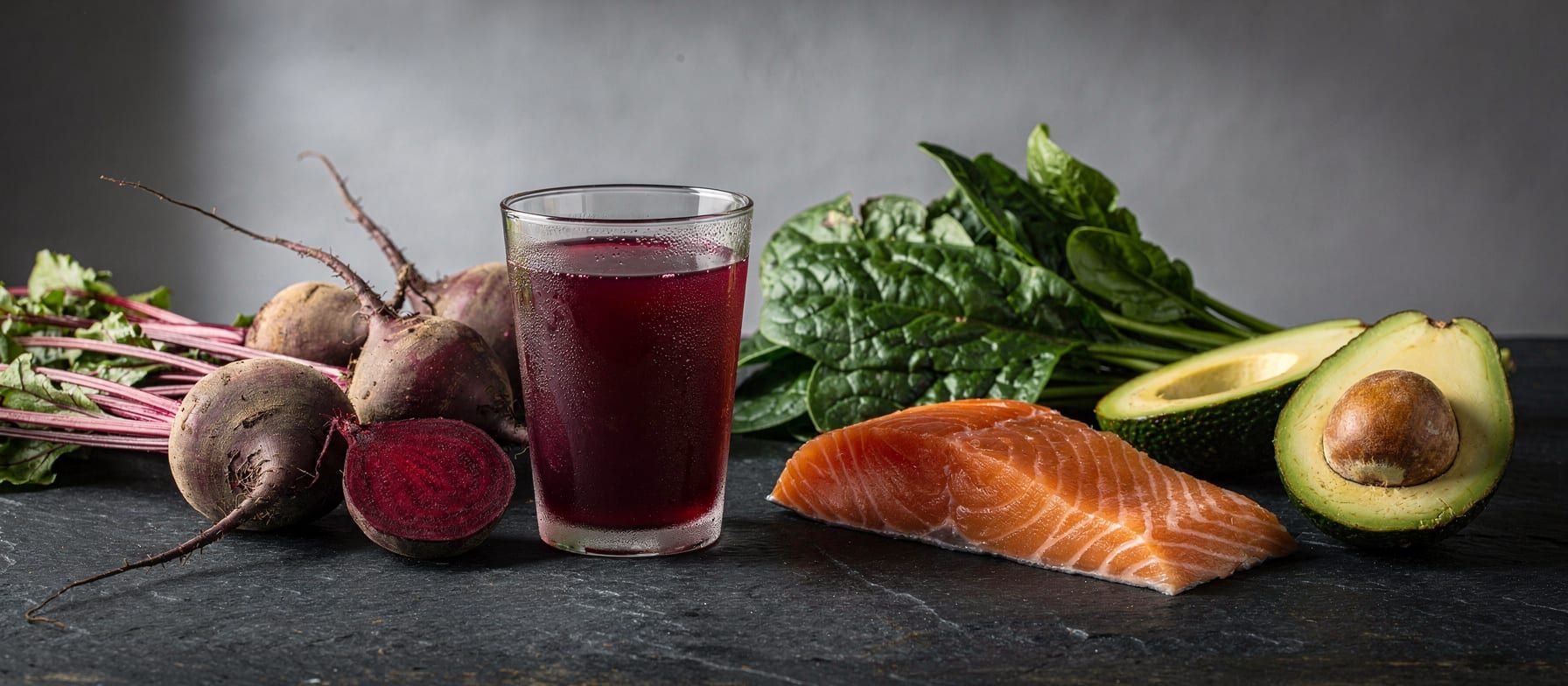
Natural Supplements That Lower Blood Pressure: The Short Answer
The natural supplements with the strongest clinical evidence for lowering blood pressure are dietary nitrate from beetroot (meta-analyses report average systolic reductions of about 3 to 5 mmHg, via nitric oxide vasodilation), magnesium (relaxes vascular smooth muscle, 300 to 400mg daily), potassium (counters sodium's vessel-constricting effect, 3,500+ mg daily from food), and omega-3 fatty acids (2 to 4g EPA+DHA daily). These are additive and combine safely in most healthy adults.
Blood pressure sits at the intersection of cardiovascular health and daily lifestyle, and a growing body of research shows that certain dietary compounds can support healthy blood pressure readings in a meaningful way. The effects are modest by design: natural supplements complement a healthy lifestyle, they do not replace medical care. But for adults looking to support their cardiovascular health through nutrition, the evidence for several compounds is genuinely strong.
Medical disclaimer: These statements have not been evaluated by the Food and Drug Administration. Supplements are not intended to diagnose, treat, cure, or prevent any disease, including hypertension. Always consult a physician before modifying blood pressure management.
What Supplements Are Shown to Lower Blood Pressure?
The natural supplements with the most clinical evidence for supporting blood pressure are dietary nitrate from beetroot, magnesium, potassium, omega-3 fatty acids, coenzyme Q10, and aged garlic extract. Pooled effects in meta-analyses range from about 1.5 to 5 mmHg systolic, larger in people with high blood pressure, and these compounds work through distinct mechanisms, making them complementary rather than redundant.
The table below summarizes the current evidence landscape. Effect sizes are drawn from published meta-analyses and are reported as approximate systolic blood pressure reductions. Individual responses vary depending on baseline pressure, diet quality, and genetic factors.
| Supplement | Evidence Level | Approximate Systolic Effect | Typical Daily Dose |
|---|---|---|---|
| Dietary nitrate (beetroot) | Strong | 3 to 5 mmHg | 300 to 500mg inorganic nitrate (NO3-) |
| Potassium | Strong | 3.5 mmHg (about 7 in hypertension) | 3,500 to 4,700mg from food |
| Magnesium | Moderate | About 2 mmHg | 300 to 400mg elemental magnesium |
| Omega-3 fatty acids (EPA/DHA) | Moderate | 1.5 mmHg (4.5 in untreated hypertension) | 2 to 4g EPA+DHA |
| Coenzyme Q10 | Moderate | 3 to 5 mmHg | 100 to 200mg |
| Aged garlic extract | Moderate | About 5 mmHg (8 to 9 in hypertension) | 240 to 960mg |
These effects are additive for many people: someone supplementing dietary nitrate alongside adequate dietary potassium and magnesium can see cumulative improvements that exceed any single compound. What they cannot do is replace antihypertensive medication in someone who has been prescribed it. Always treat these data points as supportive of, not substitutes for, physician-directed care.
Dietary Nitrate and Beetroot: The Strongest Acute Effect
Dietary nitrate from beetroot converts to nitric oxide via an oral-gut-vascular pathway. Nitric oxide relaxes vascular smooth muscle, widens blood vessels, and reduces peripheral vascular resistance, which lowers systolic blood pressure. Meta-analyses report average systolic reductions of about 3 to 5 mmHg, and in one trial a large dose kept systolic pressure about 6 mmHg lower 24 hours later.
The mechanism runs through the entero-salivary cycle. Inorganic nitrate (NO3-) from beetroot is absorbed in the small intestine, concentrated in saliva by the parotid glands, and then reduced to nitrite (NO2-) by oral bacteria on the tongue. Once swallowed, nitrite is absorbed and further reduced to nitric oxide under the low-pH, low-oxygen conditions of vascular tissue. This is why antiseptic mouthwash, which kills the nitrate-reducing bacteria on the tongue, blunts the blood pressure effect of dietary nitrate entirely.
The meta-analyses converge on a modest average effect, with larger reductions at higher doses and longer durations:
| Study | Trials | Population | Systolic result |
|---|---|---|---|
| Siervo et al., 2013 (Journal of Nutrition) | 16 | Adults, 2 hours to 15 days of nitrate or beetroot juice | -4.4 mmHg (diastolic -1.1 mmHg, not significant) |
| Bahadoran et al., 2017 (Advances in Nutrition) | 22 | Adults, beetroot juice | -3.55 mmHg overall; -5.11 mmHg in trials of 14 days or longer |
| Li et al., 2020 (Journal of Hypertension) | 47 | Adults, at least 3 days of inorganic nitrate | -2.91 mmHg (diastolic -1.45 mmHg) |
The averages hide an age effect. In a 2025 University of Exeter trial (Vanhatalo et al., Free Radical Biology and Medicine, PubMed 40615058), two weeks of nitrate-rich beetroot juice lowered mean arterial pressure by about 4 mmHg in adults aged 67 to 79 against a nitrate-free placebo, while adults aged 18 to 30, who started with lower blood pressure, showed no such drop. The older group's response was linked to a fall in Prevotella oral bacteria, the same mouth-bacteria step described above.
This dual-purpose mechanism is why dietary nitrate is used by both heart-health consumers and competitive endurance athletes. In athletes, NO-driven vasodilation improves oxygen delivery to working muscle and reduces the oxygen cost of exercise, a relationship covered in more depth in how nitric oxide from beetroot powder affects athletic performance.
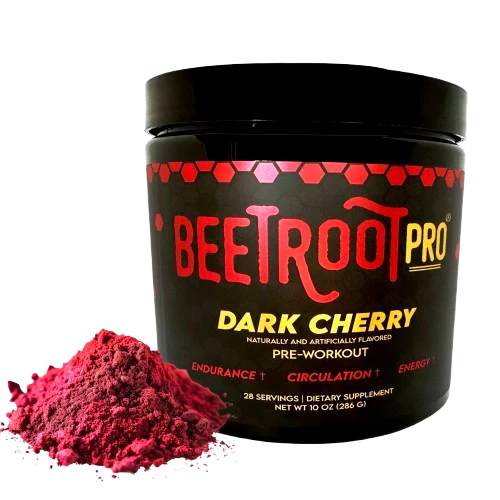
Beetroot Pro® beetroot powder is a standardized dietary nitrate source formulated with NO3-T (patented betaine nitrate), providing an 8,000 mg standardized beet extract per serving, yielding about 160 mg of dietary nitrate with disclosed, consistent content. Most whole beetroot products and generic beet powders do not disclose inorganic nitrate content, making dose-response comparisons difficult. Standardized products allow for predictable, repeatable dosing. For a broader look at what dietary nitrate does beyond blood pressure, see beetroot powder's full range of health benefits.
Disclosure: some product links below are affiliate links. Beetroot Pro may earn a commission if you purchase through them, at no additional cost to you. We only link products that match the evidence in this article.
Magnesium for Blood Pressure: Why Most People Are Deficient
Magnesium relaxes vascular smooth muscle by antagonizing calcium's vasoconstrictive action at the cellular level. The recommended daily intake is 320 to 420mg for adults, but national dietary surveys consistently show that more than half of Americans fall below this threshold. Endurance athletes face additional depletion through sweat losses, making dietary shortfalls even more common in active populations.
A 2016 meta-analysis in the journal Hypertension analyzing 34 randomized, double-blind, placebo-controlled trials found that magnesium supplementation significantly reduced both systolic (mean 2.0 mmHg) and diastolic (mean 1.8 mmHg) blood pressure at a median dose of 368mg per day over a median of three months (Zhang et al., 2016). The authors estimated that 300mg per day, or one month of supplementation, was enough to raise serum magnesium and lower blood pressure, and higher serum magnesium was associated with lower diastolic, but not systolic, pressure.
Not all magnesium forms are created equal. Magnesium oxide, the cheapest and most common form in generic supplements, has poor bioavailability (around 4%). Magnesium glycinate and magnesium citrate are absorbed significantly better and are preferred forms for supplementation. Magnesium malate is another well-tolerated option. Avoid supplements that rely primarily on oxide unless cost is the overriding factor. For the well-absorbed form, a magnesium glycinate at 400mg matches the dose used in the trials above.
For practical dosing: 300 to 400mg of elemental magnesium daily, taken with food to reduce the chance of loose stools (a common side effect at higher doses). For athletes losing magnesium through sweat, the upper end of this range or slightly above is often appropriate. The tolerable upper limit from supplemental magnesium is 350mg per day for adults, though dietary sources carry no upper limit concern.
Potassium and the Sodium-Potassium Ratio
Potassium supports healthy blood pressure by promoting urinary sodium excretion through a process called natriuresis, which reduces the volume of fluid your vascular system must accommodate. The adequate intake goal for potassium is 4,700mg per day for adults, a target most Americans fall significantly short of. Increasing dietary potassium from whole foods is the preferred approach.
The sodium-to-potassium ratio in the diet is a stronger predictor of blood pressure than either mineral alone. A high-sodium, low-potassium diet creates conditions for fluid retention and vasoconstriction. A diet rich in potassium counterbalances that effect even in the presence of moderate sodium intake.
Best food sources of potassium, with approximate amounts per serving:
- Sweet potato (1 medium): 940mg
- Avocado (half): 485mg
- Banana (1 medium): 422mg
- Spinach (1 cup cooked): 840mg
- Salmon (3oz): 534mg
- White beans (half cup): 500mg
Potassium supplements are available but carry meaningful cautions. High-dose potassium supplementation (above 100mg per serving, the FDA limit for non-prescription supplements) can cause cardiac arrhythmia in people with impaired kidney function, who cannot excrete excess potassium efficiently. Anyone with kidney disease, or taking ACE inhibitors or potassium-sparing diuretics, should not use potassium supplements without physician supervision. For most healthy adults, the goal is to increase dietary potassium through food, not supplementation.
Beetroot Pro delivers standardized dietary nitrate to lower the oxygen cost of every effort.
Omega-3 Fatty Acids and Vascular Health
EPA (eicosapentaenoic acid) and DHA (docosahexaenoic acid), the long-chain omega-3 fatty acids found in fatty fish and algae, are associated with modest reductions in systolic blood pressure through multiple mechanisms: reduced systemic inflammation, improved endothelial function, and reduced production of vasoconstrictive eicosanoids. A daily dose of 2 to 4g of combined EPA+DHA is associated with the most consistent blood pressure effects in clinical trials.
A 2014 meta-analysis in the American Journal of Hypertension examining 70 randomized controlled trials found that EPA plus DHA reduced blood pressure by 1.52 mmHg systolic and 0.99 mmHg diastolic across all studies combined (Miller et al., 2014). The effect was larger in untreated hypertensive participants (4.51 mmHg systolic) and smaller in people with normal blood pressure (1.25 mmHg systolic), and doses of 2g or more per day lowered diastolic pressure. Most fish oil products deliver both EPA and DHA.
For most adults, a fish oil delivering 2,000mg combined EPA and DHA reaches the lower end of the studied range in a practical serving count. For athletes following plant-based diets, algae-based omega-3 supplements provide EPA and DHA without fish-derived sourcing. ALA (alpha-linolenic acid) from flaxseed and walnuts converts to EPA and DHA in the body, but conversion rates are low (under 10% for EPA, under 1% for DHA), making it an unreliable source for therapeutic omega-3 dosing.
Timing note: omega-3 supplements are fat-soluble and absorb best when taken with a meal containing dietary fat. Enteric-coated formulas reduce fish burp and are generally better tolerated for twice-daily dosing.
Lifestyle Factors That Amplify Supplement Effects
Natural supplements for blood pressure support work significantly better alongside lifestyle practices that address the same underlying physiology. Reduced dietary sodium, regular aerobic exercise, adequate sleep, and stress management each affect nitric oxide availability, vascular tone, and autonomic nervous system balance in ways that amplify the effects of dietary nitrate, magnesium, and omega-3 supplementation.
Aerobic exercise is particularly relevant here. Regular endurance training upregulates endothelial nitric oxide synthase (eNOS), the enzyme responsible for generating nitric oxide directly from the vascular endothelium. This means trained athletes produce more endogenous NO even at rest, which is part of why trained endurance athletes tend to have lower resting blood pressure than sedentary peers. Dietary nitrate supplementation and exercise-induced eNOS upregulation operate through different but complementary pathways, which is why combining both produces a larger effect than either alone.
Practical lifestyle synergies to run alongside supplementation:
- Sodium intake: Targeting under 2,300mg sodium per day (the 2020 Dietary Guidelines recommendation) while increasing potassium intake from whole foods addresses the sodium-potassium ratio from both directions.
- Aerobic exercise: 150 minutes per week of moderate-intensity cardio (or 75 minutes vigorous) is consistently associated with systolic BP reductions of 5 to 8 mmHg in hypertensive adults.
- Sleep: Chronic short sleep (under 6 hours) is associated with elevated cortisol and sympathetic nervous system activity, both of which raise vascular tone. Seven to nine hours supports normal autonomic balance.
- Stress management: Chronic psychological stress elevates catecholamines, which produce sustained vasoconstriction. Consistent mindfulness, breathwork, or even low-intensity walking reduces this sympathetic load.
What Supplements to Avoid With High Blood Pressure
Several commonly used supplements and dietary compounds are associated with raising blood pressure or interfering with antihypertensive medications. The most clinically significant are licorice root (glycyrrhizin raises BP by blocking cortisol clearance), high-dose NSAIDs (which promote sodium and water retention), and stimulant-containing pre-workouts and fat burners.
A practical watch list for anyone managing blood pressure:
- Licorice root (glycyrrhizin): Blocks the enzyme that inactivates cortisol in the kidney, causing sodium retention and potassium loss. Even moderate daily consumption of products containing real licorice extract can raise systolic BP by 10 to 15 mmHg over weeks. Licorice candy sold in the US is usually anise-flavored, not true licorice, but herbal supplements labeled "licorice root" or "DGL" require scrutiny.
- High-dose NSAIDs (ibuprofen, naproxen): Regular use promotes renal sodium retention and reduces the effectiveness of most antihypertensive medications. Occasional use is lower risk but worth noting for anyone on BP medications.
- Excessive caffeine: In caffeine-naive individuals, caffeine acutely raises BP by 3 to 14 mmHg for up to 3 hours. In habituated users (daily coffee drinkers), the effect is smaller. Those with confirmed hypertension who are caffeine-sensitive should use caution with high-dose caffeine supplements (200mg+ per dose).
- Sodium-heavy pre-workouts: Some pre-workout formulas contain 400 to 800mg of sodium per serving for the purpose of improving hydration and cell volumization. For healthy athletes with normal blood pressure, this is generally inconsequential. For someone managing elevated blood pressure, it is a meaningful sodium load to account for.
- Stimulant-containing fat burners: Products containing synephrine, yohimbine, or large caffeine doses cause acute sympathomimetic effects (elevated heart rate, elevated BP) that are not appropriate for people with elevated baseline blood pressure or a history of arrhythmia.
The guiding principle: if a supplement's mechanism involves vasoconstriction, sympathetic nervous system activation, sodium retention, or potassium depletion, it works against the same physiology you are trying to support.
Putting It Together: A Practical Protocol for Blood Pressure Support
A practical, evidence-based protocol for healthy adults combines four compounds with distinct mechanisms: dietary nitrate (300 to 500mg daily), magnesium glycinate or citrate (300 to 400mg daily), potassium from whole foods (3,500 to 4,700mg daily), and omega-3 EPA plus DHA (2 to 4g daily). Taken together, these compounds can produce a cumulative systolic reduction in the 8 to 15 mmHg range for adults who respond fully to each component.
For most healthy adults interested in supporting cardiovascular health through nutrition, the evidence supports this general framework:
- Dietary nitrate (beetroot): 300 to 500mg inorganic nitrate daily, ideally from a standardized product with disclosed NO3- content. Take 1 to 2 hours before exercise for combined cardiovascular and performance benefit.
- Magnesium glycinate or citrate: 300 to 400mg elemental magnesium daily, with food. Evening dosing is common and well-tolerated.
- Potassium from whole foods: Target 3,500 to 4,700mg daily through sweet potatoes, leafy greens, avocado, legumes, and salmon.
- Omega-3 (EPA+DHA): 2 to 4g combined daily, with a fat-containing meal for absorption.
CoQ10 and aged garlic extract are reasonable additions for those willing to manage a more complex routine, but the four above represent the strongest evidence with the simplest implementation. If you do add CoQ10, a ubiquinol CoQ10 at 100mg sits within the 100 to 200mg range studied for blood pressure support.
None of these compounds require a prescription, and at the doses described, they have favorable safety profiles for healthy adults. The cumulative modest effects (potentially 8 to 15 mmHg systolic if multiple compounds show full response) are meaningful at the population level, especially for adults in the prehypertension range (systolic 120 to 129 mmHg) where lifestyle and nutritional intervention carries the most preventive leverage.
Medical disclaimer: These statements have not been evaluated by the Food and Drug Administration. Supplements are not intended to diagnose, treat, cure, or prevent any disease, including hypertension. Always consult a physician before modifying blood pressure management, particularly if you are currently taking antihypertensive medications.
Related reading: Beetroot Powder for Blood Pressure: Dose and Brands | VO2 Max Supplements: What the Research Actually Shows | 5 Reasons Why Magnesium is Essential for Endurance Athletes
Related Articles

Jul 16, 2026
How Long Beetroot Powder Takes to Lower Blood Pressure
A single dose raises plasma nitrite in about 45 minutes and lowers blood pressure within 60 to 150 minutes. The full timeline, by product format.

Jul 14, 2026
Beetroot Powder for Blood Pressure: Dose and Brands
Beetroot powder can lower systolic blood pressure about 3 to 5 mmHg, but only at a real nitrate dose. See how Beetroot Pro, SuperBeets, and Xendurance compare.

Sep 27, 2026
Does Beetroot Lower Cholesterol? No. Here's What Does
Pooled trials found no significant effect of beetroot juice or powder on LDL or total cholesterol. What beetroot does help, and the fiber dose that lowers LDL.
Technical
Beetroot Pro
Our product
- Patented betaine nitrate
- Acute Oxygen Efficiency
- 30 Calories Per Serving
*Technical citations and PubMed references are provided for performance education only. These statements have not been evaluated by the FDA.