Creatine and Brain Fog: What the Research Shows: The Short Answer
Creatine monohydrate produces small-to-nil cognitive benefit in healthy, well-rested, meat-eating adults, but a measurably larger effect in people whose brain creatine stores start low or under strain: the sleep-deprived, vegetarians and vegans, and peri- and post-menopausal women. The vegetarian research used the standard 5g daily dose, the same dose used for endurance performance; the sleep-loss trials used much larger doses.
"Creatine brain fog" is one of the fastest-growing search terms in sports nutrition, driven by a real but narrow body of research: creatine's cognitive effect depends heavily on who is taking it. In healthy, rested, meat-eating adults, most trials show a small effect or none at all. In people whose brain creatine stores start low or under acute strain, sleep-deprived, vegetarian, or navigating a hormonal shift, the effect becomes measurable and repeatable.
Does Creatine Actually Help with Brain Fog?
The honest answer is: it depends who is asking. Meta-analyses of cognitive trials find small improvements in memory and processing speed on average, but that average hides a wide split. The benefit concentrates almost entirely in people whose brain energy supply is strained or starts low; in healthy, rested, omnivorous young adults, the effect is frequently not statistically different from placebo.
This is not a reason to dismiss the research, it is the reason to read past the headline. Creatine works by regenerating phosphocreatine, the rapid-reserve fuel for ATP, in tissue that burns through energy fast under demand. Muscle is the obvious example, which is why creatine is one of the most established performance supplements in sports nutrition. The brain runs on the same phosphocreatine system, at a lower baseline draw, which is exactly why the cognitive effect only shows up clearly once that baseline draw goes up: sleep loss, low dietary creatine intake, or a hormonal shift that changes brain energy metabolism.
How It Works
The 3-to-4-week saturation curve that primes the brain energy buffer.
Creatine Loading Begins
Day 13 to 5g of creatine monohydrate daily begins raising muscle and brain creatine stores from baseline.
Phosphocreatine Reserve Builds
Week 1-2Cellular phosphocreatine, the rapid-reserve fuel for ATP regeneration, rises toward saturation.
Full Saturation
Week 3-4Consistent daily dosing reaches full muscle and brain creatine saturation, typically three to four weeks.
Buffered Cognitive Performance
OngoingThe phosphocreatine buffer in the brain is primed, most measurable during sleep deprivation, low dietary creatine intake, or a hormonal shift.
Who Actually Benefits, and Who Doesn't
Four groups show a measurable cognitive benefit from creatine supplementation in controlled trials: the acutely sleep-deprived, vegetarians and vegans, older adults, and peri- and post-menopausal women, though the menopause evidence is a single small trial. Healthy, rested, omnivorous adults are the group least likely to notice anything.
| Population | What the Research Shows | Why |
|---|---|---|
| Acutely sleep-deprived | Complex task performance and mood better preserved after a week of 20g daily loading, and after a single large dose (0.35 g/kg) in a 2024 trial | Sleep loss raises brain energy demand; creatine buffers the phosphocreatine shortfall |
| Vegetarians and vegans | Larger, more consistent cognitive gains than omnivores in the same trials | Dietary creatine comes almost entirely from meat and fish; baseline brain creatine starts lower |
| Peri- and post-menopausal women | Faster reaction time and higher frontal brain creatine in one 8-week trial; resistance-training trials have mainly measured muscle and bone | Estrogen decline affects brain energy metabolism; creatine offsets part of that shift |
| Healthy, rested, omnivorous adults | Small effect or no significant difference from placebo in most trials | Baseline brain creatine stores are already adequately met through diet and normal recovery |
This is the same pattern seen with dietary nitrate and blood pressure: a real mechanism that only produces a measurable effect once there is a real deficit or demand for it to correct. Creatine is not a nootropic that sharpens an already well-supplied brain, it is a buffer that prevents a strained one from running short.
The Sleep-Deprivation Effect
Creatine has reduced the cognitive decline caused by sleep loss in controlled trials, first with a week of 20g daily loading before 24 to 36 hours awake (McMorris et al., 2006 and 2007), and in 2024 with a single 0.35 g/kg dose taken during a night of sleep deprivation (Gordji-Nejad et al., 2024). Both exceed the standard 3 to 5g.
The mechanism is straightforward: sleep deprivation increases the brain's reliance on the phosphocreatine energy system precisely when normal restorative processes are unavailable. A creatine-loaded brain has a larger reserve to draw on, which shows up as better performance on working-memory and reasoning tasks the next day, not as a subjective "feeling sharper," but as a measurable task-performance difference against a placebo group given the exact same sleep-deprivation protocol.
Vegetarians, Vegans, and the Baseline Gap
Roughly 90 to 95% of dietary creatine intake in an omnivorous diet comes from meat and fish. Vegetarians and vegans synthesize some creatine endogenously but typically run lower baseline muscle and brain creatine stores, which is why cognitive trials consistently find a larger, more repeatable supplementation effect in this group than in meat-eaters.
This is one of the clearest dose-response demonstrations in the creatine literature: give the same standardized dose to an omnivore and a vegetarian, and the vegetarian group shows the bigger cognitive shift, because they started from a lower baseline. It mirrors the disclosed-dose logic used throughout this site for dietary nitrate: the size of the effect depends on how far below saturation you started, not just the number on the label.
Creatine for Women: The Hormonal Angle
Search interest in "creatine for women" has grown fast, driven by research on peri- and post-menopausal cognition and bone density. The cognition evidence is early: in one 8-week randomized trial in 36 peri- and postmenopausal women, a medium dose of creatine hydrochloride improved reaction time and raised frontal brain creatine versus placebo (Korovljev et al., 2026).
Estrogen decline during and after menopause changes how the brain manages energy, one of several factors behind the "brain fog" symptom cluster commonly reported during this transition. Creatine does not reverse that hormonal shift; the working hypothesis is that it offsets part of the resulting energy deficit in brain tissue, the same buffering mechanism seen in the sleep-deprivation research, applied to a different underlying strain on the same system.
How Much Creatine Do You Actually Need for Cognitive Benefits?
The vegetarian research used the standard athletic dose (5g daily in Rae et al., 2003), but the sleep-deprivation trials used far more: 20g a day for a week, or a single 0.35 g/kg dose. A loading phase (20g daily for 5 to 7 days) reaches saturation faster; 3 to 5g daily reaches full saturation in about three to four weeks.
This is a genuinely convenient overlap: an athlete already taking creatine for training is already at the dose the vegetarian cognitive research used, provided the daily total actually reaches 3 to 5g. Whether that dose helps under acute sleep loss has not been tested.
Does the Form of Creatine Matter for Brain Fog?
No published research shows creatine HCl, buffered (Kre-Alkalyn), or gummy formats outperform plain creatine monohydrate at an equal creatine dose. Monohydrate is the form almost every cognitive study cited on this page used, and it is the cheapest per gram by a wide margin.
Creatine gummies in particular have grown fast as a format, driven by convenience and taste rather than a different evidence base, the underlying compound and required daily dose have not changed.
| Form | Evidence Base | Cost per Effective Dose |
|---|---|---|
| Creatine monohydrate | The form used in essentially every cited cognitive and performance trial, including the sleep-deprivation and vegetarian research above | Lowest cost per gram of any form |
| Creatine HCl | Marketed as more soluble; no published evidence of a cognitive or performance advantage over monohydrate at equal creatine content | Higher cost per gram for no demonstrated added benefit |
| Buffered (Kre-Alkalyn) | Buffering claims are not supported by controlled trials; no evidence of superior absorption or effect over monohydrate | Premium priced despite no evidence advantage |
| Creatine gummies | Same monohydrate compound in most products; the format changes palatability and compliance, not the underlying evidence | Often lower creatine content per unit than a full 3 to 5g scoop, check the label |
The practical takeaway: pick the form you will actually take every day, but verify the milligram total against the 3 to 5g research dose regardless of format, a convenient gummy that under-doses creatine will not reproduce the cognitive research any more than an undisclosed-dose beet product reproduces the blood pressure research.
Where Creatine Fits in Endurance360
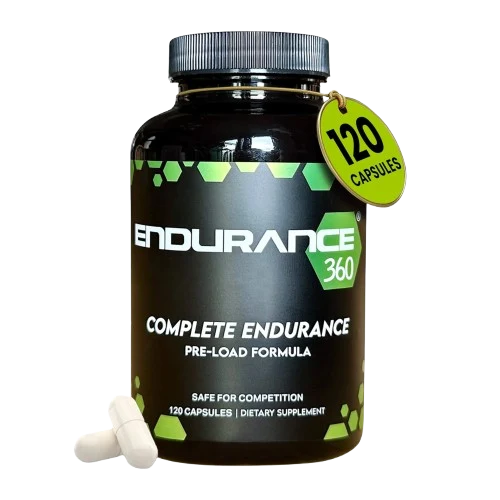
Endurance360® carries 1,000 mg of creatine monohydrate per serving in its 2,000 mg Endurance Blend alongside beta-alanine, so an athlete taking it for training already gets the compound this post covers, every day of the training block. Five capsules each morning cover it, with no separate creatine product to remember.
Endurance360® carries 1,000 mg of creatine monohydrate and 1,000 mg of beta-alanine per serving in its 2,000mg Endurance Blend, the pairing this site covers in detail in creatine vs beta-alanine. For endurance athletes already taking Endurance360 for beta-alanine and creatine's performance benefits, it is the same compound, no new supplement required.
For a broader look at creatine in women specifically, including dose, the bulk myth, and what changes after 40, see Creatine for Women.
Complete
Endurance 360
Our product
- Chronic Lactic Acid Buffering
- ATP & Cellular Saturation
- Cordyceps & Adaptogen Matrix
The Bottom Line
Creatine's cognitive research is real, replicated, and narrower than the search trend around it suggests. The benefit is concentrated in the sleep-deprived, vegetarians and vegans, and peri- and post-menopausal women, groups whose baseline brain creatine runs low or under strain. Healthy, rested, omnivorous adults are the group least likely to notice a cognitive difference, even though the same 3 to 5g daily dose is exactly what the training-performance research already recommends.
If you already supplement creatine for endurance performance through a creatine monohydrate protocol, you are already at the dose the vegetarian cognitive research used. The honest takeaway is not "creatine cures brain fog," it is "creatine closes a gap, and the size of the gap determines whether you notice anything." Creatine is not the only brain-relevant mechanism this site covers either: dietary nitrate supports cognition through a completely separate pathway, cerebral blood flow rather than energy buffering, covered in beetroot and brain health in aging athletes.
Frequently Asked Questions
The most common questions on this topic cover who actually benefits, how much to take, and whether creatine is safe and permitted for competitive athletes.
Does creatine actually reduce brain fog? It depends on the underlying cause. If the brain fog stems from sleep deprivation, a low-creatine diet (vegetarian or vegan), or a menopausal hormonal shift, controlled trials show a measurable cognitive benefit, though the sleep-loss trials used much larger doses than the standard 3 to 5g and the menopause evidence is one small trial. In healthy, rested, meat-eating adults, most trials find a small effect or none at all.
How much creatine do I need for cognitive benefits? The vegetarian research used the standard 5g daily dose used in athletic performance research. The sleep-deprivation trials used much more (20g daily for a week, or a single 0.35 g/kg dose), so whether 3 to 5g helps under acute sleep loss is untested. A loading phase (20g daily for 5 to 7 days) reaches saturation faster but is optional; daily 3 to 5g dosing saturates in about three to four weeks.
Is creatine safe, and is it allowed for competitive athletes? Creatine monohydrate is one of the most-studied supplements in existence and is not on the WADA or NCAA prohibited substance lists. It is IOC-recognized for performance use. As with any supplement, products themselves are not independently WADA or NCAA certified, only the ingredient is unrestricted; drug-tested athletes should confirm requirements with their governing body.
Why do vegetarians and vegans respond more to creatine than meat-eaters? Roughly 90 to 95% of dietary creatine intake in an omnivorous diet comes from meat and fish, so vegetarians and vegans typically start with lower baseline muscle and brain creatine stores. Supplementation closes a larger gap in this group, which is why cognitive trials consistently show a bigger, more repeatable effect in vegetarians than in omnivores given the identical dose.
Does creatine help with menopause-related brain fog specifically? One 8-week randomized trial in 36 peri- and postmenopausal women found a medium dose of creatine hydrochloride improved reaction time and raised frontal brain creatine versus placebo; trials pairing creatine with resistance training in this group have mainly measured strength and bone. Creatine does not reverse hormonal decline, but it appears to offset part of the resulting brain energy deficit, the same mechanism seen in sleep-deprivation research applied to a different cause of strain on the same system.
References: The mechanisms and population-specific findings above are drawn from peer-reviewed research, cited below for readers who want to verify the underlying studies.
- Rae C, Digney AL, McEwan SR, Bates TC. (2003). Oral creatine monohydrate supplementation improves brain performance: a double-blind, placebo-controlled, cross-over trial. Proceedings of the Royal Society B.
- McMorris T, et al. (2006). Effect of creatine supplementation and sleep deprivation, with mild exercise, on cognitive and psychomotor performance, mood state, and plasma concentrations of catecholamines and cortisol. Psychopharmacology.
- McMorris T, et al. (2007). Creatine supplementation, sleep deprivation, cortisol, melatonin and behavior. Physiology and Behavior.
- Gordji-Nejad A, et al. (2024). Single dose creatine improves cognitive performance and induces changes in cerebral high energy phosphates during sleep deprivation. Scientific Reports.
- Korovljev D, et al. (2026). The effects of 8-week creatine hydrochloride and creatine ethyl ester supplementation on cognition, clinical outcomes, and brain creatine levels in perimenopausal and menopausal women (CONCRET-MENOPA): a randomized controlled trial. Journal of the American Nutrition Association.
- Roschel H, et al. (2021). Creatine supplementation and brain health. Nutrients.
- Smith-Ryan AE, et al. (2021). Creatine supplementation in women's health: a lifespan perspective. Nutrients.
FDA disclaimer: These statements have not been evaluated by the Food and Drug Administration. This product is not intended to diagnose, treat, cure, or prevent any disease.
Related reading: Creatine for Endurance Athletes | Creatine vs Beta-Alanine | Beetroot and Brain Health in Aging Athletes | Beetroot Pro vs Endurance360: Which First?
Technical FAQ Extension
Does creatine actually reduce brain fog?
It depends on the underlying cause. If the brain fog stems from sleep deprivation, a low-creatine diet (vegetarian or vegan), the research shows a measurable cognitive benefit, although the sleep-loss trials used far larger doses than the standard 3 to 5 g, and the menopause evidence rests on one small 2026 trial. In healthy, rested, meat-eating adults, most trials find a small effect or none at all.
How much creatine do I need for cognitive benefits?
It depends on the situation. The vegetarian research used the standard 5g daily dose (Rae 2003), but the sleep-deprivation trials used far more: 20g a day for a week (McMorris 2006, 2007) or a single 0.35 g/kg dose (Gordji-Nejad 2024). A loading phase (20g daily for 5 to 7 days) reaches saturation faster but is optional; daily 3 to 5g dosing saturates in about three to four weeks.
Is creatine safe, and is it allowed for competitive athletes?
Creatine monohydrate is one of the most-studied supplements in existence and is not on the WADA or NCAA prohibited substance lists. It is IOC-recognized for performance use. As with any supplement, products themselves are not independently WADA or NCAA certified, only the ingredient is unrestricted; drug-tested athletes should confirm requirements with their governing body.
Why do vegetarians and vegans respond more to creatine than meat-eaters?
Roughly 90 to 95% of dietary creatine intake in an omnivorous diet comes from meat and fish, so vegetarians and vegans typically start with lower baseline muscle and brain creatine stores. Supplementation closes a larger gap in this group, which is why cognitive trials consistently show a bigger, more repeatable effect in vegetarians than in omnivores given the identical dose.
Does creatine help with menopause-related brain fog specifically?
The evidence is early. In one 8-week randomized trial in 36 peri- and postmenopausal women (Korovljev 2026), a medium dose of creatine hydrochloride improved reaction time and raised frontal brain creatine versus placebo. Creatine does not reverse hormonal decline, and larger trials are needed.
Related Articles

Aug 18, 2026
Creatine for Women: Dose, Timing, and Myths
Creatine for women: the 3 to 5g daily dose, why it does not cause bulk or bloating, and what changes after 40 and 50. Evidence-based, no affiliate picks.
Apr 13, 2026
Creatine for Endurance Athletes and Cyclists (2026)
Why creatine monohydrate works for runners, cyclists, and triathletes: ATP regeneration, glycogen storage, cognitive endurance, and dosing.
Jan 30, 2023
Creatine vs Beta-Alanine for Endurance Athletes (2026)
Creatine and beta-alanine fuel different systems: creatine regenerates ATP for short bursts, beta-alanine buffers lactic acid. When to run each.
*Technical citations and PubMed references are provided for performance education only. These statements have not been evaluated by the FDA.