
Creatine vs Beta-Alanine for Endurance Athletes (2026): The Short Answer
Creatine and beta-alanine fuel different energy systems. Creatine monohydrate (3 to 5g daily) recycles phosphocreatine for ATP regeneration during short, high-intensity efforts under about 30 seconds. Beta-alanine (3.2 to 6.4g daily for 4+ weeks) raises muscle carnosine, which buffers lactic acid during sustained 1 to 4 minute efforts. They are complementary, not competitive: endurance athletes doing repeated hard efforts (intervals, climbs, breakaways) benefit from running both. Loading timelines differ; plan ahead.
Creatine and beta-alanine are two of the most evidence-backed supplements in sports nutrition, and they are constantly compared as if you have to choose one. You usually do not. They target different energy systems and the question is less "which is better" than "which problem are you trying to solve, and should you solve both."
Creatine vs Beta-Alanine: What Is the Difference?
Creatine and beta-alanine work on different energy systems and different timescales. Creatine regenerates ATP through the phosphocreatine system for short, explosive efforts under about 30 seconds, and increases muscle glycogen storage. Beta-alanine raises muscle carnosine to buffer the hydrogen ions (lactic acid) that accumulate during sustained 1 to 4 minute efforts. Creatine raises your power ceiling; beta-alanine extends how long you can hold near it. They do not substitute for each other.
| Creatine Monohydrate | Beta-Alanine | |
|---|---|---|
| Mechanism | Regenerates ATP via phosphocreatine | Raises muscle carnosine to buffer acid |
| Best effort window | Explosive, under ~30 seconds | Sustained, 1 to 4 minutes |
| Endurance benefit | Repeated surges, glycogen storage | Delays the threshold burn |
| Effective dose | 3 to 5 g daily | 3.2 to 6.4 g daily |
| Time to effect | 3 to 4 weeks (no load needed) | 10 to 14 days minimum, 4 to 8 weeks peak |
| Acute pre-race use | No | No |
How It Works
One Hard Effort, Two Energy Systems
The Surge
0 to 30 secYou jump out of the saddle over a climb or kick to close a gap. Phosphocreatine regenerates ATP for this, and creatine is what keeps that store topped up.
The Crossover
30 to 60 secPhosphocreatine runs down and glycolysis takes over as the dominant supply. Hydrogen ions start accumulating faster than you clear them.
The Burn
1 to 4 minMuscle pH falls and force production drops. Carnosine is the intracellular buffer that slows this, and beta-alanine is what raises carnosine.
The Hold
4 min plusWhether you can stay at that intensity or have to back off. This is the point the two supplements are actually competing to influence, from opposite ends.
The Combined-Supplementation Evidence
Combining creatine and beta-alanine targets two sequential points of fatigue. In a 10-week study of collegiate football players, creatine plus beta-alanine increased lean mass and cut body fat more than creatine alone, while strength gains were similar in both creatine groups. Creatine fuels the explosive effort; beta-alanine buffers the acid the following glycolytic effort produces.
This is why pre-formulated endurance supplements pair the two. The explosive effort (creatine's domain) bleeds directly into the sustained high-intensity effort (beta-alanine's domain) during real racing. A surge over a climb is creatine; holding the resulting hard pace at the top is beta-alanine. Supplementing only one leaves a gap in the fatigue chain.
Beta-Alanine Side Effects
The main side effect of beta-alanine is paresthesia, a harmless tingling on the skin caused by beta-alanine binding to sensory nerve receptors. It appears 20 to 60 minutes after dosing, is not an allergic reaction, and fades with continued use or by splitting the dose. Creatine's only common effect is a small intramuscular water gain that benefits hydration. Both have strong long-term safety records.
Neither supplement carries the risks athletes sometimes fear. Creatine does not cause kidney damage in healthy individuals, and the beta-alanine tingle is a sensory quirk, not a warning sign. Full detail on managing the tingling is in our beta-alanine for endurance athletes guide.
Which Should an Endurance Athlete Choose?
Most endurance athletes doing interval, threshold, or repeated-effort work benefit from both, because the two cover the full fatigue chain. If you must pick one: choose creatine if your limiter is repeated surges, climbing, and end-of-race power, or if you want the glycogen-storage benefit for long events. Choose beta-alanine if your limiter is the sustained threshold burn during 1 to 4 minute efforts. For a complete endurance profile, run both.
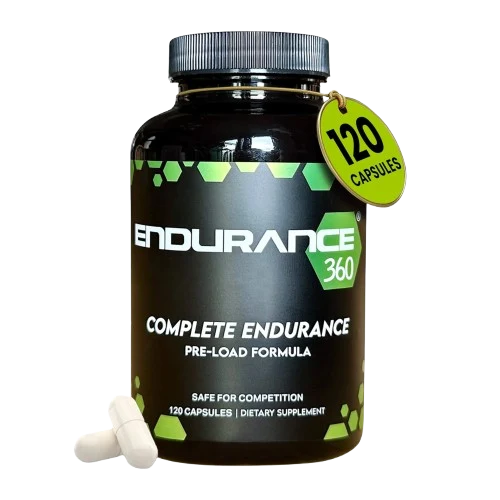
The cleanest way to get both at the right doses without assembling separate products is a combined formula. Endurance360® includes creatine monohydrate and beta-alanine together, so a single daily dose covers ATP regeneration and lactic acid buffering at once. See the full breakdown in creatine for endurance athletes and cyclists, and compare the combined-formula approach against the category leader in Endurance360 vs Optygen HP.
It is recommended to consult a healthcare professional before taking any dietary supplement, especially if you have a medical condition, are pregnant or breastfeeding, or are on medication.
References:
- Hoffman J, et al. (2006). Effect of creatine and beta-alanine supplementation on performance and endocrine responses in strength/power athletes. Int J Sport Nutr Exerc Metab.
- Kreider RB, et al. (2017). International Society of Sports Nutrition position stand: safety and efficacy of creatine supplementation in exercise, sport, and medicine. JISSN.
- Saunders B, et al. (2017). Beta-alanine supplementation to improve exercise capacity and performance: a systematic review and meta-analysis. Br J Sports Med.
FDA Disclaimer: These statements have not been evaluated by the Food and Drug Administration. This product is not intended to diagnose, treat, cure, or prevent any disease.
Maximize your results: Learn how to build your nutrition system for peak performance in our VO2 Max Supplements Guide, or see creatine and brain fog for the cognitive research behind the same creatine dose.
Technical FAQ Extension
What is the difference between creatine and beta-alanine?
They fuel different energy systems. Creatine monohydrate regenerates ATP through the phosphocreatine system for short, explosive efforts under about 30 seconds and increases glycogen storage. Beta-alanine raises muscle carnosine to buffer the lactic acid that accumulates during sustained 1 to 4 minute efforts. Creatine raises your power ceiling; beta-alanine extends how long you hold near it.
Should I take creatine and beta-alanine together or pick one?
Most endurance athletes doing interval, threshold, or repeated-effort work benefit from both, because they cover sequential points of fatigue. A 10-week study in collegiate football players (Hoffman 2006) found creatine plus beta-alanine improved lean mass and body fat more than creatine alone, while strength gains were similar in both groups. If you must pick one, choose creatine for repeated surges or beta-alanine for the sustained threshold burn.
Why does beta-alanine make my skin tingle?
That tingling is paresthesia, a harmless sensation caused by beta-alanine binding to sensory nerve receptors. It appears 20 to 60 minutes after dosing, is not an allergic reaction, and fades with continued use or by splitting the dose. Creatine's only common effect is a small intramuscular water gain; it does not cause kidney damage in healthy individuals.
Related Articles
Apr 13, 2026
Creatine for Endurance Athletes and Cyclists (2026)
Why creatine monohydrate works for runners, cyclists, and triathletes: ATP regeneration, glycogen storage, cognitive endurance, and dosing.
Apr 13, 2026
Beta-Alanine for Endurance: Lactic Acid Buffering
How beta-alanine raises muscle carnosine to buffer lactic acid, lift threshold, and delay the burn for endurance athletes. Dose, timing, and the tingling.

Jul 16, 2026
Lactate vs Bicarbonate vs Beta-Alanine (2026)
Three ways to fight acidosis: bicarbonate, beta-alanine, and exogenous lactate. How each buffer works, what the evidence shows, and which fits your event.
Complete
Endurance 360
Our product
- Chronic Lactic Acid Buffering
- ATP & Cellular Saturation
- Cordyceps & Adaptogen Matrix
*Technical citations and PubMed references are provided for performance education only. These statements have not been evaluated by the FDA.