
ExoLactate Gels: The Honest Evidence (2026): The Short Answer
ExoLactate (from FLF) is an exogenous lactate gel delivering 40 g of carbohydrate plus 5 g of lactate per serving, run at roughly 120 g carb/hr in the pro peloton. This co-ingestion model (small repeated lactate doses alongside carbs) differs from the single 120 mg/kg calcium-lactate dose used in most trials. The mechanism is real, but human performance evidence for exogenous lactate remains mixed and modest. It is food-grade and not WADA-prohibited. Treat it as experimental, and you can trial the same mechanism for pennies with food-grade calcium lactate.
Exogenous lactate is the most-hyped fueling idea of the 2026 season, and one product name keeps surfacing: ExoLactate, the gel from FLF that WorldTour riders have reportedly been using. Unlike the calcium-lactate powders in the research, ExoLactate co-packages lactate with a full carbohydrate load. So is this a genuine fueling breakthrough, or the next marginal-gain story that outruns its evidence? Here is what exogenous lactate actually does, whether the ExoLactate model changes the verdict, and how to test the same mechanism for a fraction of the price. For the category-level evidence on lactate gels rather than this one product, start with our lactate energy gels guide.
What is ExoLactate and how is it different from other gels?
ExoLactate is an exogenous lactate gel from FLF that delivers 40 g of carbohydrate (a 1:1 glucose-to-fructose ratio) plus 5 g of lactate per serving, formulated pH-neutral to protect teeth and the gut. It also carries vitamin B12 and thiamine. Pro teams reportedly run it at roughly 120 g of carbohydrate per hour, meaning the lactate arrives in small, repeated doses alongside carbs rather than as one large standalone dose.
That co-ingestion design is the meaningful difference. The exogenous-lactate studies to date almost all use a single bolus of a food-grade lactate salt (most often calcium lactate at about 120 mg/kg of body weight, roughly 8 g for a 70 kg athlete). ExoLactate instead splits a smaller 5 g lactate dose across each gel and pairs it with the carbohydrate the athlete was already going to consume. The theory is that lactate becomes an additional oxidizable fuel stream and a mild buffer while the carbs do the heavy lifting.
The ingredient list is public, and it contains no exotic molecule: fructose, maltodextrin, water, lactic acid, L-arginine, magnesium lactate, sodium bicarbonate, calcium lactate, iota carrageenan, and potassium bicarbonate. The reason the lactate arrives from several sources at once is a counter-ion problem: 5 g of lactate from calcium lactate alone would carry about 1,130 mg of calcium, and from magnesium lactate about 682 mg of magnesium, roughly twice the 350 mg supplemental upper limit. We break the full formula down ingredient by ingredient in the ExoLactate ingredient teardown.
Does the 5g-per-gel co-ingestion model actually work?
There is no published human performance trial on the specific ExoLactate co-ingestion protocol as of mid-2026. The broader exogenous-lactate evidence it draws on is mixed: a 2024 double-blind crossover pilot found only a 4% time-trial bump with no change in VO2peak or lactate threshold, and a separate 2024 trial in trained cyclists at 120 mg/kg calcium lactate found no time benefit at all despite measurably raising blood bicarbonate and lowering perceived effort.
The honest position is that the mechanism keeps confirming itself while the performance payoff stays elusive. Lactate is unquestionably a usable fuel (the lactate shuttle, established by Dr. George Brooks, is settled science) and a mild acid-base buffer. What is not established is that adding 5 g of it to a carbohydrate gel produces a measurable, repeatable speed gain over the same carbohydrate alone. The most defensible read of the current data:
| Claim | Evidence status |
|---|---|
| Lactate is an oxidizable fuel | Settled (lactate shuttle) |
| Lactate is a mild buffer / lowers perceived effort | Supported in several trials |
| Exogenous lactate reliably improves race performance | Not established; trials are mixed |
| The ExoLactate 5 g co-ingestion protocol specifically | No published performance RCT yet |
| Lactate is WADA / NCAA / USADA prohibited | No, it is an endogenous metabolite |
The theoretical ceiling is also worth naming honestly. Physiologists who have looked at the numbers point out that to make lactate a meaningful fuel contributor you likely need sustained intakes well above 5 g per gel, on the order of 10 to 25 g per hour. At that point GI tolerance, not physiology, becomes the limiter.
How does ExoLactate compare to Enervit's lactate gel?
Enervit's C2:1PRO Lactate Gel Mix, used in race by Tadej Pogacar and UAE Team Emirates XRG, takes the opposite formulation approach: 10 g of lactate from sodium lactate alone, alongside 90 g of carbohydrate in a 2:1 glucose-to-fructose ratio plus vitamin B1. It goes on sale after La Vuelta 2026. ExoLactate spreads a smaller 5 g lactate dose across several mineral sources instead.
| ExoLactate (FLF) | Enervit C2:1PRO Lactate Gel Mix | |
|---|---|---|
| Lactate per serving | 5 g | 10 g |
| Lactate source | Lactic acid + Mg/Ca lactate + bicarbonates | Sodium lactate |
| Carbohydrate | 40 g, 1:1 ratio | 90 g, 2:1 ratio |
| Availability | European retail, US to follow | After La Vuelta 2026 |
Neither company has published a performance trial on its own protocol, so the choice between them is currently a choice between two untested formulations rather than between two evidence bases. The full ingredient teardown covers why each brand landed on a different lactate source.
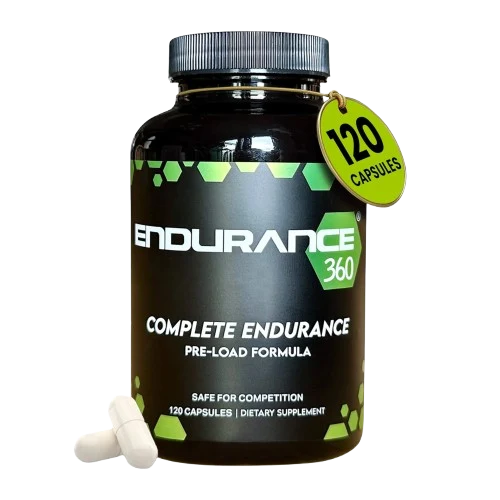
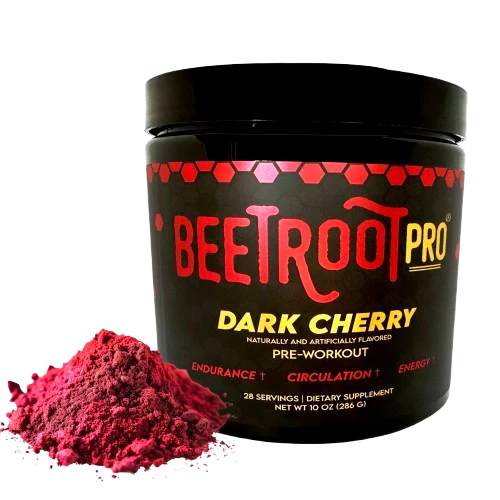
The Breakaway Pack pairs acute nitrate efficiency with chronic buffering, and saves $19.90 bought together.
ExoLactate vs a DIY lactate gel: the cost math
ExoLactate retails at €30.95 for a box of six, about €5.16 per gel, against €2 to €3 for a premium carbohydrate gel. Food-grade calcium lactate costs roughly $0.02 per gram, so the 5 g of lactate in one serving is about $0.12 of raw material. Ingredient cost is never product cost, but a home trial is still the rational first step before committing to a full box.
This is the single most useful takeaway for a curious athlete: you do not need to buy a proprietary gel to find out whether exogenous lactate does anything for you. Our DIY Energy Gel calculator already includes an optional food-grade calcium lactate add-on, scaled to the studied 120 mg/kg dose and split across flasks so you can dial the per-serving amount down to the ExoLactate range. Build a carbohydrate gel you already trust, add the lactate, and test it in training first.
A sensible self-test protocol:
- Start low. Use half the studied per-serving dose and only in training, never on race day.
- Isolate the variable. Trial the same carbohydrate gel with and without lactate on matched sessions.
- Judge GI first, performance second. Dose-dependent flatulence, cramps, and bowel urgency are the most consistent finding in the literature and worsen as duration climbs.
- Be honest about the effect size. If there is a benefit, the evidence says it is small. Do not let a $40 box of gels talk you into feeling a 4% that may not be there.
Is exogenous lactate worth it for you?
For most endurance athletes, exogenous lactate is an experiment, not a proven upgrade. The riders you see using ExoLactate are already fueling at 120 g of carbohydrate per hour, where a small buffering or perceived-effort edge might matter at the absolute limit. For everyone else, nailing carbohydrate intake, hydration, and sodium will move performance far more than adding lactate.
If you want to chase the last fraction of a percent and you have the GI tolerance for high-carb fueling, a careful home trial with food-grade calcium lactate is a cheap, low-risk way to find out whether your body responds. If your fueling, hydration, or race-day nitrate loading is not yet dialed in, those are the levers with real, established evidence behind them. Dietary nitrate, one of the five supplements in the IOC's good-to-strong evidence group, has a far deeper base than exogenous lactate has today: a 2021 meta-analysis pooled 73 studies.
For the fundamentals that actually move the needle, start with the free Carb Fueling Plan and the Sodium Calculator, then layer experimental additions like lactate on top of a solid foundation, not in place of one.
Frequently asked questions
Is ExoLactate legal for drug-tested athletes? Lactate is an endogenous metabolite and is not on the WADA, NCAA, or USADA prohibited lists. As with any supplement, drug-tested athletes should confirm the specific product is third-party batch tested, since certification applies to products, not just ingredients.
How is ExoLactate different from a normal carbohydrate gel? A standard gel delivers carbohydrate only. ExoLactate adds 5 g of lactate per serving alongside its 40 g of carbohydrate, on the theory that lactate contributes an extra fuel stream and mild buffering. The carbohydrate still does the majority of the fueling work.
Can I make an exogenous lactate gel at home? Yes. Food-grade calcium lactate is inexpensive and widely available. Our DIY Energy Gel calculator includes an optional lactate add-on so you can build a carbohydrate gel and add the lactate mechanism for pennies. Trial it in training before ever using it in a race.
Does exogenous lactate improve endurance performance? The evidence is mixed and modest. Some trials show a small time-trial improvement or lower perceived effort; others show no performance benefit. There is no published performance RCT on the specific ExoLactate co-ingestion protocol yet. Treat it as experimental.
Related reading
Technical FAQ Extension
Is ExoLactate legal for drug-tested athletes?
Lactate is an endogenous metabolite and is not on the WADA, NCAA, or USADA prohibited lists. As with any supplement, drug-tested athletes should confirm the specific product is third-party batch tested, since certification applies to products, not just ingredients.
How is ExoLactate different from a normal carbohydrate gel?
A standard gel delivers carbohydrate only. ExoLactate adds 5 g of lactate per serving alongside its 40 g of carbohydrate, on the theory that lactate contributes an extra fuel stream and mild buffering. The carbohydrate still does the majority of the fueling work.
How does ExoLactate compare with the Enervit lactate gel?
They take opposite approaches. ExoLactate delivers 5 g of lactate from lactic acid plus magnesium and calcium lactate, with 40 g of carbohydrate at a 1:1 ratio. Enervit C2:1PRO Lactate Gel Mix delivers 10 g of lactate from sodium lactate alone, with 90 g of carbohydrate at a 2:1 ratio. Neither company has published a performance trial on its own formula.
Does exogenous lactate improve endurance performance?
The evidence is mixed and modest. Some trials show a small time-trial improvement or lower perceived effort; others show no performance benefit. There is no published performance RCT on the specific ExoLactate co-ingestion protocol yet. Treat it as experimental.
Related Articles
Aug 4, 2026
Lactate Gel Ingredients: ExoLactate Teardown (2026)
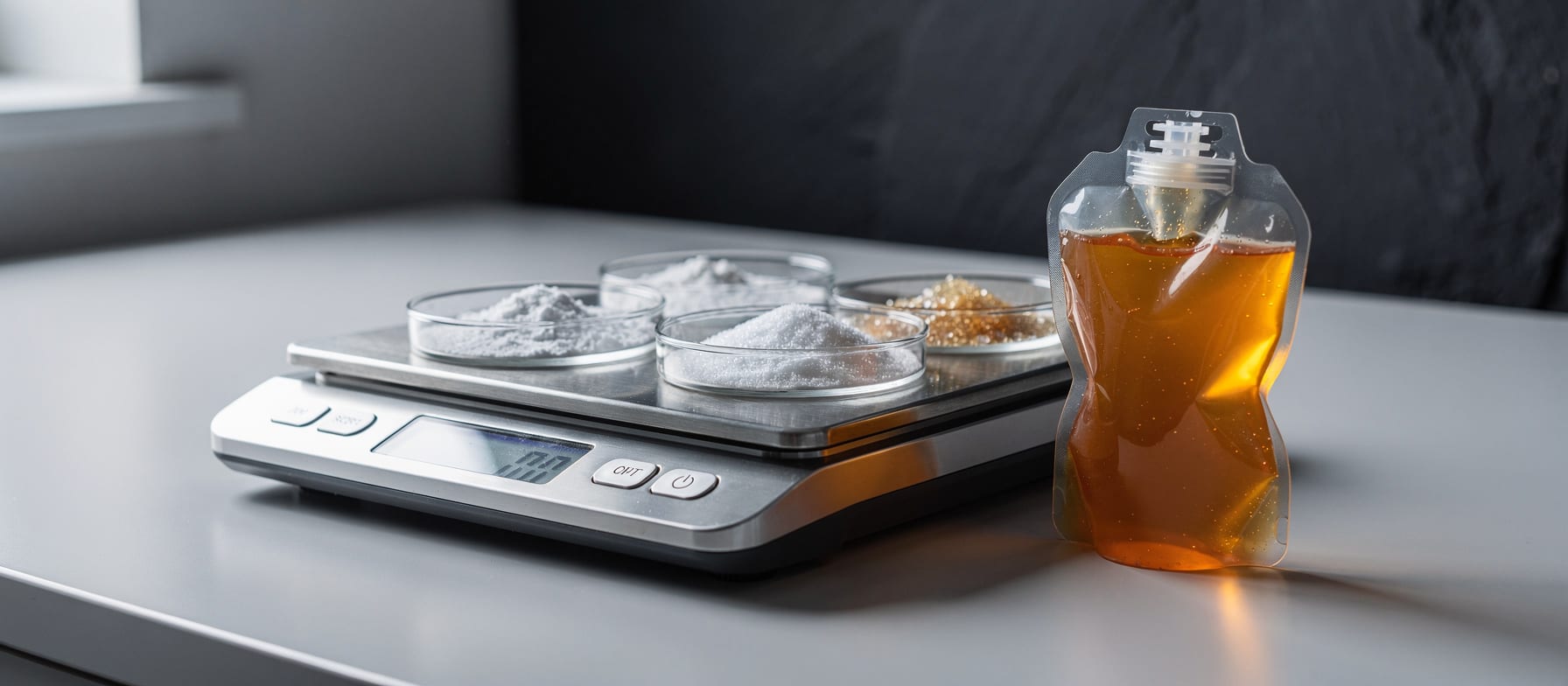
ExoLactate's full ingredient list is public. What all 10 ingredients do, the counter-ion math behind the 5 g lactate dose, and what it costs to copy.

Aug 4, 2026
Lactaat Gels: Wat Zegt de Wetenschap? (2026)
Lactaat gels zijn de hype van 2026. De eerlijke wetenschap: lactaat is een echte brandstof, maar de prestatiestudies zijn wisselend.
Apr 13, 2026
Top 10 Endurance Supplements, Ranked by Evidence (2026)
The best endurance supplements, ranked by evidence tier: nitrate, creatine, beta-alanine, caffeine, plus foundational picks like iron and B12, with doses.
The Ultimate
VO2 Max System
Our product
- Acute Nitric Oxide Vasodilation
- Chronic Lactic Acid Buffering
- Stimulant Free, cGMP Certified Manufacturing
*Technical citations and PubMed references are provided for performance education only. These statements have not been evaluated by the FDA.