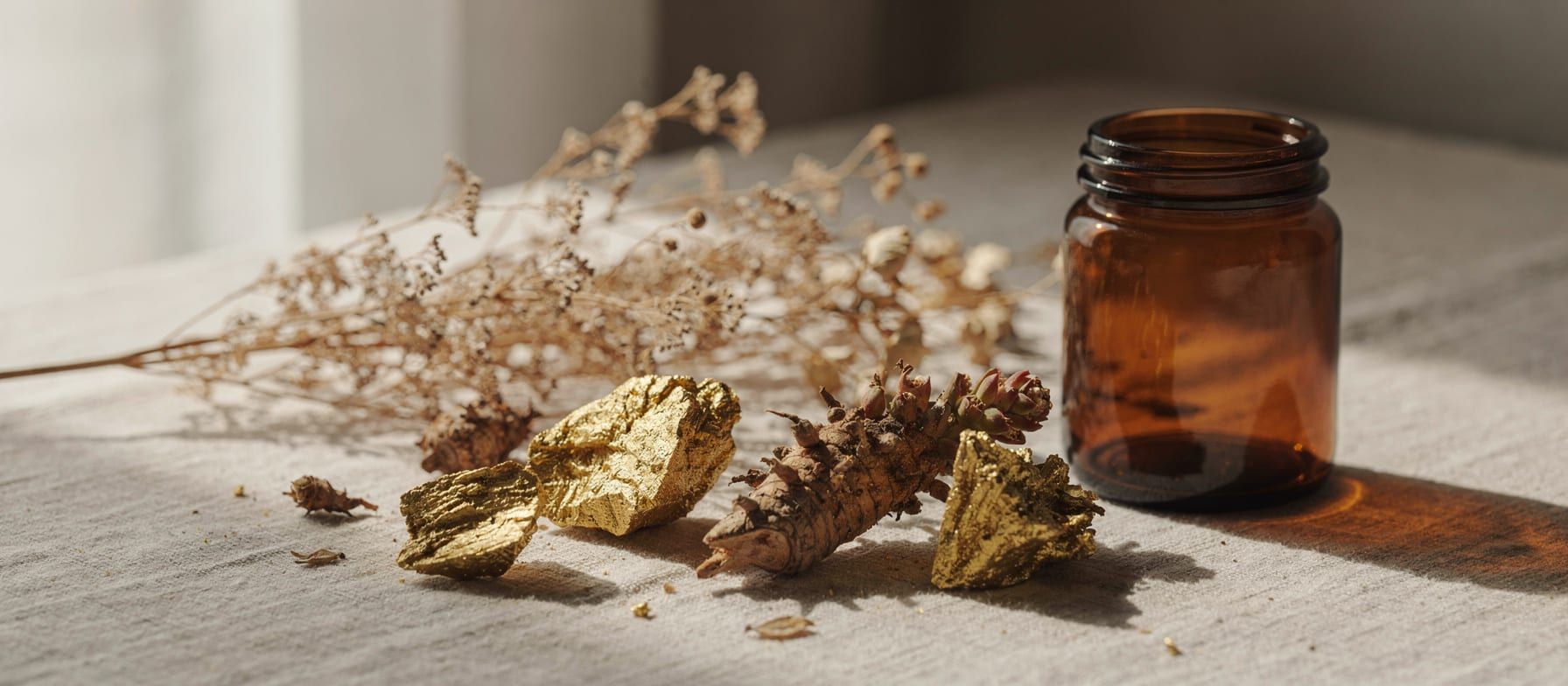
Salvora Rhodiola Rosea Review: Dose and Evidence: The Short Answer
Salvora Rhodiola Rosea provides 500mg of rhodiola extract standardized to 3% rosavins and 1% salidroside per 2-capsule serving, which matches the ratio used in most published rhodiola trials. That is a well-specified label. The gap is between what the evidence supports (fatigue, perceived exertion, stress) and what a visible share of buyers appear to expect from it (weight loss and appetite suppression), which rhodiola has essentially no good evidence for.
What Is Actually in Salvora Rhodiola Rosea
Salvora lists 500mg of Rhodiola rosea extract per 2-capsule serving, standardized to 3% rosavins and 1% salidroside, at 60 capsules or 30 servings per bottle. That 3-to-1 rosavin-to-salidroside ratio is not arbitrary: it is the standardization used in most of the published human rhodiola research, so the label matches the research standard rather than diverging from it.
This is worth stating plainly because it is the part most brand-review content gets wrong in both directions. The specification here is good. A rhodiola product that lists only "rhodiola root powder" with no extract ratio and no standardization percentage tells you almost nothing about what you are taking; this one tells you the two things that matter.
| Attribute | Salvora Rhodiola Rosea |
|---|---|
| Rhodiola extract per serving | 500 mg |
| Standardization | 3% rosavins, 1% salidroside |
| Serving size | 2 capsules |
| Servings per bottle | 30 |
| Rating (Amazon) | 4.3 stars across ~1,650 reviews |
Is 500mg the Right Rhodiola Dose?
Controlled trials on rhodiola for fatigue and stress typically use 200mg to 600mg daily of a standardized extract, and Salvora's 500mg sits inside that range. Endurance trials have commonly used about 600mg daily for around four weeks, and a 2025 meta-analysis of 26 trials found larger VO2 max gains above 600mg per day.
The practical read: for everyday fatigue and stress support, 500mg is a reasonable dose, and consistency over several weeks matters more than pushing milligrams. The dose signal in that meta-analysis (Wang et al. 2025, Frontiers in Nutrition) applies to VO2 max in endurance trials, not to general stress outcomes. The standardization percentage also matters more than the raw extract weight, since 500mg of an unstandardized extract could contain a fraction of the active compounds.
Endurance360 vs Salvora: Two Different Jobs
These are not competing versions of the same product. Salvora is a single-ingredient rhodiola capsule aimed at daily stress and fatigue. Endurance360 is a multi-pathway endurance formula in which rhodiola is one of eight actives. The right choice depends entirely on which job you are hiring a supplement to do.
| Factor | Endurance360 | Salvora Rhodiola Rosea |
|---|---|---|
| Rhodiola amount disclosed | Inside a 1,200 mg blend, split not published | 500 mg, standardized 3% rosavins / 1% salidroside |
| Cordyceps for oxygen delivery | Yes, in the 1,200 mg Cellular Oxygenation blend | Not included |
| Beta-alanine for lactic acid buffering | Yes, in the 2,000 mg Endurance Blend | Not included |
| Creatine monohydrate for ATP resynthesis | Yes, in the 2,000 mg Endurance Blend | Not included |
| Amino acid matrix | 310 mg (L-Carnosine, Taurine, L-Arginine, L-Tyrosine, L-Methionine) | Not included |
| Stimulants | None | None |
| Servings per container | 24 | 30 |
| Built for | Endurance loading across a training block | Daily single-ingredient adaptogen for stress and fatigue |
Where Salvora is the better buy: if rhodiola is the thing you actually want. Its label publishes the exact amount and the standardization percentage; ours publishes a blend total. For a single-ingredient daily adaptogen, that specificity is the whole point, and we would rather send you to a well-specified standalone than sell you a blend you did not need.
Where Endurance360 is the stronger option: if the goal is endurance performance rather than general stress support, rhodiola on its own leaves most of the mechanism untouched. Four things Salvora does not contain at all:
- Cordyceps extract, which targets oxygen delivery and VO2 max, the pathway rhodiola does not act on. Rhodiola lowers how hard an effort feels; cordyceps works on the oxygen economy underneath it. Pairing them is the reason both sit in one blend.
- Beta-alanine, which raises muscle carnosine to buffer the hydrogen ions that actually cause the burn at threshold. It is one of the small set of compounds the IOC consensus statement recognizes as having good performance evidence.
- Creatine monohydrate, for ATP resynthesis across repeated hard efforts, surges, and climbs. Also IOC-recognized, and among the most studied compounds in sports nutrition.
- A 310 mg amino acid matrix including taurine and L-carnosine, which supports the neuromuscular side of cramping that minerals alone do not address.
Rhodiola is roughly one input out of eight in that system. If you are loading for a race rather than managing a stressful quarter, buying it alone means buying one eighth of the protocol.
Complete
Endurance 360
Our product
- Chronic Lactic Acid Buffering
- ATP & Cellular Saturation
- Cordyceps & Adaptogen Matrix
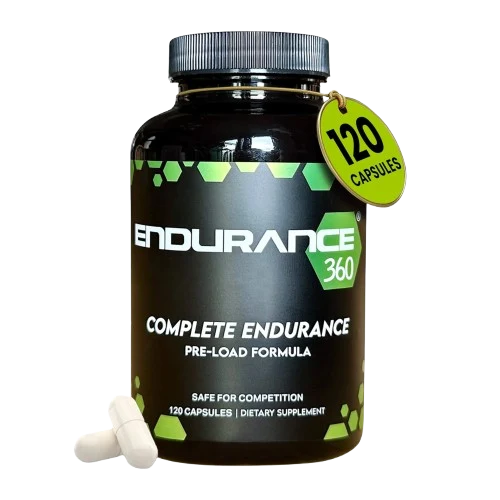
The loading schedule matters as much as the ingredients: beta-alanine and creatine both need roughly 14 days of consistent daily dosing before they do anything, which is what the 14-day loading plan is built around, and the adaptogen timing guide covers how rhodiola and cordyceps are cycled across a training block.
For the endurance-specific evidence on rhodiola rather than the general-wellness case, see Rhodiola Rosea for Endurance Athletes.
The Review Gap: People Are Buying It for Weight Loss
Rhodiola has essentially no credible human evidence as a weight-loss supplement, and Salvora's label does not claim it does. A visible share of buyer reviews nonetheless describe it in weight-loss terms, and the disappointed ones ("taken these for 4 weeks, no results, still have the belly") are the predictable other half of that same expectation gap.
This matters more than any dose comparison, because it is the single biggest reason people conclude a rhodiola product "did not work." It was never going to do the thing they bought it for.
What rhodiola does have reasonable evidence for:
- Fatigue during sustained mental or physical demand, the most consistently replicated finding
- Perceived exertion, meaning a given effort registers as slightly easier, which is why it appears in endurance formulas
- Stress-related tiredness, where adaptogen research is strongest
What it does not have good evidence for:
- Weight loss or appetite suppression, essentially no credible human trials
- Acute energy like a stimulant, it is not caffeine and does not act like it
- Rapid results, most trials run multiple weeks before measuring anything
Rhodiola Side Effects and Who Should Be Careful
Rhodiola is generally well tolerated at these doses, with the most commonly reported effects being jitteriness, dizziness, dry mouth, and trouble sleeping if taken late in the day. Because it can have mild stimulant-like and blood-pressure-relevant effects, anyone taking blood pressure medication, antidepressants, or medication for bipolar disorder should clear it with a physician before starting, not after.
Take it in the morning. The sleep complaints in rhodiola reviews across every brand cluster heavily among people taking it in the evening, and that is an easily avoided problem rather than a reason to abandon the ingredient.
Frequently Asked Questions
Does Salvora Rhodiola Rosea work?
For what rhodiola is actually supported to do, reducing fatigue and perceived exertion over several weeks of consistent use, the dose and standardization on Salvora's label are appropriate. For weight loss or appetite suppression, which a notable share of its reviews mention, rhodiola has essentially no credible human evidence regardless of brand.
Does rhodiola rosea help with weight loss?
No, not on any good evidence. There is no credible body of human trials showing rhodiola causes weight loss or suppresses appetite. The persistent association appears to come from marketing adjacency to other adaptogens and from people attributing normal diet changes to the supplement they started at the same time.
How much rhodiola rosea should I take?
General fatigue and stress trials use 200mg to 600mg daily of an extract standardized to about 3% rosavins and 1% salidroside; endurance trials have commonly used about 600mg daily, and a 2025 meta-analysis found larger VO2 max gains above 600mg per day. Take it in the morning; evening doses are the most common cause of the sleep complaints that show up in rhodiola reviews.
What are the side effects of rhodiola rosea?
Most commonly jitteriness, dizziness, dry mouth, and disrupted sleep when taken late. Anyone on blood pressure medication, antidepressants, or bipolar medication should talk to a physician before starting, since rhodiola can have mild stimulant-like and blood-pressure-relevant effects.
Complete
Endurance 360
Our product
- Chronic Lactic Acid Buffering
- ATP & Cellular Saturation
- Cordyceps & Adaptogen Matrix
Independent review disclosure: Salvora is a trademark of its respective owner and is in no way affiliated with, owned by, endorsed by, or sponsored by Beetroot Pro. This review is published independently for educational purposes using publicly available product listing data and peer-reviewed research.
FDA Disclaimer: These statements have not been evaluated by the Food and Drug Administration. This product is not intended to diagnose, treat, cure, or prevent any disease.
Technical FAQ Extension
Does Salvora Rhodiola Rosea work?
For what rhodiola is actually supported to do, reducing fatigue and perceived exertion over several weeks of consistent use, the dose and standardization on Salvora's label are appropriate: 500mg standardized to 3% rosavins and 1% salidroside, which matches the ratio used in most published trials. For weight loss or appetite suppression, which a notable share of its reviews mention, rhodiola has essentially no credible human evidence regardless of brand.
Does rhodiola rosea help with weight loss?
No, not on any good evidence. There is no credible body of human trials showing rhodiola causes weight loss or suppresses appetite. The persistent association appears to come from marketing adjacency to other adaptogens and from people attributing normal diet changes to the supplement they started at the same time.
How much rhodiola rosea should I take?
General fatigue and stress trials use 200mg to 600mg daily of an extract standardized to about 3% rosavins and 1% salidroside; endurance trials have commonly used about 600mg daily, and a 2025 meta-analysis found larger VO2 max gains above 600mg per day. Take it in the morning; evening doses are the most common cause of the sleep complaints that show up in rhodiola reviews.
What are the side effects of rhodiola rosea?
Most commonly jitteriness, dizziness, dry mouth, and disrupted sleep when taken late in the day. Anyone on blood pressure medication, antidepressants, or bipolar medication should talk to a physician before starting, since rhodiola can have mild stimulant-like and blood-pressure-relevant effects.
Related Articles
Apr 26, 2026
Rhodiola Rosea for Endurance Athletes: The Evidence
What rhodiola rosea does for endurance athletes: how it lowers RPE and cortisol under heavy load, a cycling protocol, and how it fits into Endurance360.
Aug 18, 2026
Creatine for Women: Dose, Timing, and Myths
Creatine for women: the 3 to 5g daily dose, why it does not cause bulk or bloating, and what changes after 40 and 50. Evidence-based, no affiliate picks.
Jan 30, 2023
Magnesium for Endurance Athletes: Dose and Sweat Loss
How much magnesium endurance athletes need, why sweat losses create a deficit, and the daily dose shown to raise peak oxygen uptake in trained athletes.
*Technical citations and PubMed references are provided for performance education only. These statements have not been evaluated by the FDA.