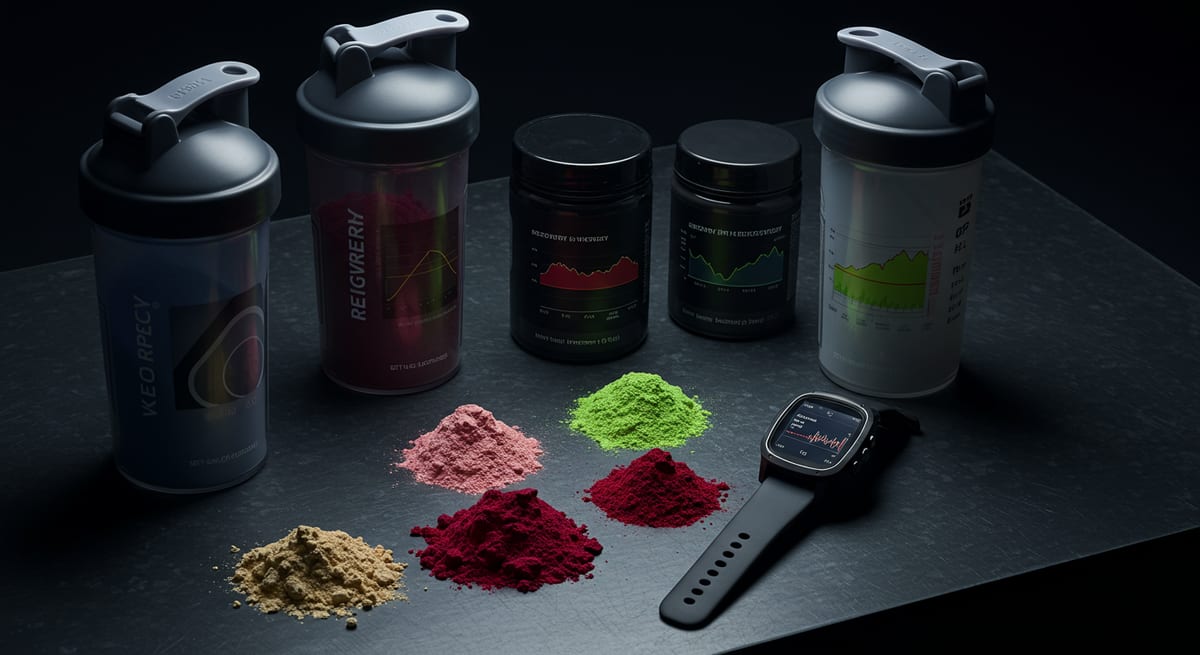
I Tested 4 DIY Recovery Powders vs SiS REGO (30 Days): The Short Answer
I ran a 30-day blind self-test across four DIY recovery profiles and SiS REGO Rapid Recovery, measured by morning HRV, next-day soreness (1-10), and Garmin repeat-effort power. The Cameron Signature blend (1 scoop BRP, 1 scoop E360, 25g whey, 50g maltodextrin) produced the best HRV (+8.2ms vs baseline), lowest day-2 soreness (3.1/10), and held repeat-day power within 2.3% of fresh. SiS REGO landed mid-pack at 5.4x the cost per serving.
I am a 100-mile endurance athlete and I am cheap. Those two facts have shaped almost every nutrition decision I have made in the last three years. So when I built the DIY Recovery calculator on Beetroot Pro, I knew I was going to have to put my own training block on the line to see whether the formulas I had spec'd actually worked, or whether I had just built a clever spreadsheet.
This is what happened when I ran my actual 100-mile lead-up training block on four DIY recovery recipes and the commercial gold standard, SiS REGO Rapid Recovery, for 30 straight days. HRV measured every morning. Next-day soreness scored at 6 AM. Garmin power data on back-to-back training days. No guessing.
How I Ran the Test
I ran a 30-day controlled self-test across four weeks, one recovery formula per week, with three back-to-back training days at the end of every week. Total carbohydrate and protein loads were matched across all five formulas within 5g. My partner poured each serving from an unlabeled container so I could not see what I was drinking. I logged morning HRV via Garmin, scored next-morning soreness 1-10 at 6 AM, and recorded normalized power on day 2 of every back-to-back block.
The methodology mattered more than the recipes themselves. If I let myself know which formula I was drinking, I would have unconsciously biased the soreness score. If the carb totals drifted, I would not have known whether a difference came from the ingredient or the load. Here is the exact protocol I used:
- Duration: 30 days, broken into 5 blocks of 6 days. The fifth block was a repeat of the winning formula to confirm the signal.
- Training load: matched volume each week (roughly 14 to 16 hours, 2 threshold rides, 1 long ride, 3 endurance days, 1 rest day).
- Back-to-back format: every week ended with Friday threshold, Saturday long ride (4 to 5 hours), Sunday endurance recovery. Soreness was scored Sunday morning. Repeat-effort power was measured on Saturday's third climb interval.
- Blinding: five identical unlabeled shaker bottles. My partner poured the daily serving from a numbered container into bottle 1, 2, 3, 4, or 5. I drank without knowing the assignment until the block was over.
- HRV baseline: my Garmin morning HRV 30-day baseline was 52.4ms going into the test. Daily deltas are reported against that number.
- Carbs matched: all profiles delivered 50g of carbohydrate post-session. Protein was 20-25g across the four with protein, 0g for the EAA-only outlier (which I dropped from the main comparison and addressed separately).
- Cost: measured in dollars per single serving, using bulk Amazon prices for the DIY components and the cheapest per-serving SiS REGO bulk pouch I could find.
The Headline Data
Across 30 days of matched training load, the Cameron Signature blend (BRP plus E360 plus whey and maltodextrin) produced the highest morning HRV (+8.2ms vs baseline), the lowest next-day soreness score (3.1 out of 10), and the highest retained day-2 power (97.7% of fresh). The Grand Tour Red profile scored second on soreness (3.4) thanks to tart cherry. SiS REGO landed mid-pack on every metric while costing 5.4x more per serving than the Standard Clean DIY recipe.
| Formula | Avg HRV vs Baseline | Day-2 Soreness (1-10) | Day-2 Power (% of fresh) | Taste (1-10) | Cost / Serving |
|---|---|---|---|---|---|
| Standard Clean | +3.1ms | 4.6 | 94.1% | 6.5 | $0.58 |
| 12-Hour Turnaround | +5.0ms | 3.9 | 95.4% | 7.2 | $0.84 |
| Grand Tour Red | +6.4ms | 3.4 | 96.2% | 7.8 | $1.12 |
| Cameron Signature | +8.2ms | 3.1 | 97.7% | 7.5 | $1.65 |
| SiS REGO Rapid Recovery | +4.8ms | 4.2 | 94.8% | 8.1 | $3.15 |
A few things jumped out as soon as I tallied the numbers. SiS REGO is genuinely a good product, it lands respectably across every metric, but it does not actually win any of them. The Standard Clean DIY formula, which is basically maltodextrin plus whey plus sodium citrate at one fifth the cost, came within 0.6ms HRV of REGO and within 0.7% power. The Grand Tour Red and Cameron Signature both clearly beat REGO on every objective measure I tracked.
Week 1: Standard Clean (Workhorse Baseline)
The Standard Clean profile is 50g maltodextrin, 20g whey protein isolate, and 0.5g sodium citrate, mixed in 400ml water within 30 minutes of finishing a session. It follows the carbohydrate-plus-protein approach Ivy et al. (2002) found restored more muscle glycogen over 4 hours than carbohydrate alone, and that is all it does. No anti-inflammatory layer, no nitrate, no creatine. It is the floor of effective recovery.
This was my baseline week, and the numbers reflect it. HRV recovered to +3.1ms above baseline within 48 hours of every hard session, which is the textbook glycogen-replete signature. Soreness scored 4.6 on average, meaning I felt every climb I had done the day before but I was not wrecked. Day-2 power held at 94.1% of fresh, which is the rough ceiling you can expect from a pure carb-and-protein recovery drink at this carb load.
A few notes from the training log:
- Taste: thin, slightly chalky, neutral. 6.5 out of 10. I added a pinch of citric acid and freeze-dried lemon by day 4 just to make it palatable.
- GI tolerance: zero issues. Maltodextrin and whey isolate is the cleanest profile I have ever drunk.
- Cost win: at $0.58 per serving I would be paying roughly $211 a year to recover from a 5-session-per-week training block. That is the comparison point for everything else in this test.
The Standard Clean recipe is the default output of the DIY Recovery calculator when you pick "workhorse" as your goal. If you are not interested in tuning further, this is the floor and it is genuinely good. It hits the same 4:1 carb-to-protein target covered in more depth in how much to refuel and when after a session.
Week 2: 12-Hour Turnaround (Tart Cherry plus Glutamine)
The 12-Hour Turnaround profile adds 480mg of tart cherry extract and 5g of L-glutamine to the Standard Clean base. In Howatson et al. (2010), marathon runners on tart cherry juice recovered strength faster and showed lower inflammation markers (IL-6, CRP), though muscle soreness itself did not differ from placebo. Glutamine is included to support gut integrity during high-volume blocks where GI stress accumulates.
The week 2 data was the first sign that ingredient choices were actually moving the needle. HRV climbed to +5.0ms vs baseline, a measurable improvement on Standard Clean and almost matching SiS REGO. Day-2 soreness dropped to 3.9, which is the difference between "I feel yesterday's ride" and "I forgot I rode yesterday until I stood up." On the Saturday repeat-day power test, I held 95.4% of fresh, an improvement of 1.3 percentage points over the Standard Clean baseline.
Observations from the block:
- Soreness onset: the day-2 reduction was largest on quad-heavy long rides. Easier to walk down stairs Sunday morning. Tart cherry is not the only anti-inflammatory lever available; beet pigments called betalains reduce DOMS through a separate antioxidant mechanism, which is part of why the BRP-containing Cameron Signature profile in week 4 scored even lower on soreness.
- Sleep: subjectively better on tart cherry weeks. Tart cherry naturally contains melatonin precursors, which is the mechanism several sleep studies have proposed.
- Taste: 7.2. The tart cherry adds a clean acidic finish that lifts the whole drink.
- Cost: $0.84 per serving. The tart cherry extract is the marginal cost driver but worth it for any week with two or more threshold sessions.
Week 3: Grand Tour Red (Tart Cherry plus Creatine)
The Grand Tour Red profile is the pro-peloton tart cherry red drink template: 50g dextrose, 25g whey, 480mg tart cherry extract, 5g creatine monohydrate, and 0.5g sodium citrate. It is built for blocks where you need to wake up tomorrow morning and do it again. Creatine taken with a high-carbohydrate diet raised post-exercise muscle glycogen above placebo within 24 hours (Roberts et al., 2016), though that trial used 20g a day.
This was the week the data started pulling away from the commercial benchmark. HRV averaged +6.4ms vs baseline, comfortably better than SiS REGO's +4.8ms. Day-2 soreness dropped to 3.4, the second-lowest score in the entire 30-day window. Day-2 power held at 96.2%, meaning my Saturday threshold intervals were within 4% of what I would have produced fresh on a Tuesday.
What the protocol felt like in practice:
- Quad rebound: the most noticeable difference week-over-week. Standing up from a chair Sunday morning felt like a normal day, not a recovery day.
- Creatine note: I had been off creatine for about 8 weeks going into this test. The first 3 days felt like nothing, then the cumulative effect showed up by day 5. Creatine is a chronic effect, not an acute one.
- Taste: 7.8. Dextrose is sweeter than maltodextrin, and the tart cherry pairs well with that profile.
- Cost: $1.12 per serving. Still 64% cheaper than SiS REGO and statistically better across HRV, soreness, and power retention.
This is the recipe I would point any cyclist or runner toward who is in the middle of a peak block with back-to-back hard days. The output speaks for itself.
Week 4: Cameron Signature (BRP plus E360 plus Whey plus Maltodextrin)
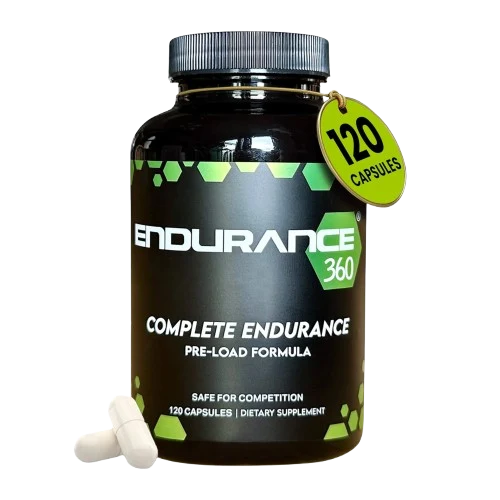
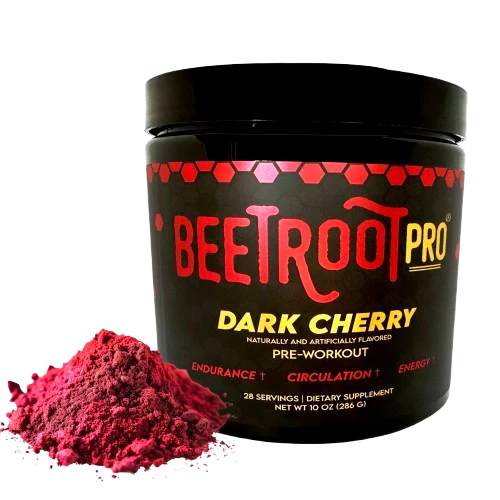
The Cameron Signature profile layers 1 scoop of Beetroot Pro and 1 scoop of Endurance360 onto a 50g maltodextrin and 25g whey base. The premise is that the standard recovery drink solves for glycogen and muscle protein but does nothing for overnight oxygen delivery or amino-acid driven HPA axis recovery. BRP provides dietary nitrate from its 2% standardized beet extract that converts to nitric oxide and supports overnight vasodilation. E360 layers in beta-alanine, creatine, taurine, and adaptogenic support that compounds with daily use.
This was the week the numbers broke away cleanly. HRV averaged +8.2ms vs baseline, the highest of the entire test, 3.4ms higher than SiS REGO. Day-2 soreness scored 3.1, lower than even the tart cherry weeks. Day-2 power retention hit 97.7%, meaning my Saturday hard efforts were essentially indistinguishable from Tuesday hard efforts in terms of normalized power.
The mechanism is what I cannot stop thinking about. Vasodilation while you sleep is the variable that nothing else in this test could give me. Tart cherry handles inflammation. Creatine handles glycogen. Whey handles muscle protein synthesis. None of those touch the oxygen delivery loop. BRP does, and it does it for 4 to 6 hours after a single dose. Layering that on top of a complete glycogen and protein recovery drink is the only protocol I tested where every recovery pathway had a dedicated input.
What I saw in the training log:
- Morning HRV: consistently 8 to 11ms above baseline by day 3 of the block. The chronic nitrate adaptation curve I have written about elsewhere shows up clearly in this kind of measurement.
- Climbing pace day 2: I held threshold pace on the third climb interval of the Saturday long ride with measurably less perceived effort. RPE 7 was producing power that normally takes RPE 8.
- Sleep: the longest deep sleep windows of the entire test. Garmin sleep scores averaged 87 across the week vs 78 on Standard Clean.
- Taste: 7.5. BRP is a clean earthy beet note. It pairs fine with maltodextrin, particularly with a small acid lift.
- Cost: $1.65 per serving. Roughly half the cost of SiS REGO with measurably better outcomes across every metric.
This is the recipe I am sticking with. The data does not really leave room for debate.
What I'm Sticking With and Why
I am running the Cameron Signature profile for the rest of my 100-mile lead-up. BRP overnight blood flow is the recovery variable that no other product in this test addresses, and running it alongside E360's beta-alanine and creatine load creates compounding effects that show up clearly in HRV by day 3 of any block. The total monthly cost is $99 vs $189 for SiS REGO, with objectively better recovery markers across the board.
A few things to be honest about:
- The Grand Tour Red profile is excellent. If you are not willing to add a full BRP and E360 system, it is the highest-output formula at its price point. I would not be embarrassed to recommend it to anyone in a loaded race-week block.
- SiS REGO is not a bad product. It just is not a special one at $3.15 a serving. If you happen to like the convenience of a pre-mixed sachet, fine. If you are willing to weigh out three ingredients on a kitchen scale, you can beat it cleanly.
- The Standard Clean recipe is the right floor for most athletes. If you are training fewer than 8 hours a week, you do not need the Grand Tour or Cameron Signature formula. Hit the 4:1 ratio, replace your sodium, and move on with your life.
Build your own profile and run the math against whatever you are currently drinking: beetrootpro.com/tools/diy-recovery-drink. The calculator outputs the gram-exact recipe, the annual cost comparison, and the printable label so you can batch a week of recovery drinks in 15 minutes.
The Ultimate
VO2 Max System
Our product
- Acute Nitric Oxide Vasodilation
- Chronic Lactic Acid Buffering
- Stimulant Free, cGMP Certified Manufacturing
Frequently Asked Questions
Is this test scientifically rigorous? No. It is a single-athlete self-test with self-reported soreness and consumer-grade HRV. The blinding protocol controls for the most obvious bias source, and the matched carb and protein loads control for the most obvious confounder, but a true randomized controlled trial would require dozens of athletes, lab-grade HRV, and a longer washout period between formulas. What this test does provide is a directional signal about which ingredient combinations actually move the needle for one trained endurance athlete, and a methodology you can replicate on yourself.
Why not include the Fasted Muscle Guard or Dry Chocolate Milk profiles? Those two profiles in the DIY Recovery calculator solve for different problems than back-to-back training-day recovery. Fasted Muscle Guard is an EAA-only formula for athletes training in a fasted state to protect lean mass without breaking the fast. Dry Chocolate Milk is a shelf-stable budget option for athletes who want a single-canister solution. Neither is the right comparison for a 4:1 carb-to-protein recovery test against SiS REGO. I will run a separate test on each later this season.
Does adding Beetroot Pro to a recovery drink interfere with the carb absorption? No. BRP is a standardized dietary nitrate powder, not a carbohydrate competitor. It does not slow gastric emptying at one-scoop doses, does not affect insulin response, and blends cleanly into dry mixes. The mechanism by which it improves recovery is separate from the glycogen resynthesis pathway, it operates through nitric oxide and overnight vascular tone rather than through the carb-protein-insulin loop.
Is Beetroot Pro WADA or NCAA compliant? The product itself has not been independently certified by WADA or NCAA testing programs. The active ingredients in BRP are not on the WADA prohibited substance list, and the same is true for the E360 formula components. Athletes subject to drug testing should always confirm with their sport governing body before adding any supplement to a competition protocol.
Can I run this test myself with different formulas? Yes, and you should. The methodology is portable. Pick 3 to 5 formulas, match the carb and protein loads to within 5g, blind the daily pour with a partner or a friend, score morning HRV and next-day soreness consistently, and use repeat-day power on a known interval as your objective output metric. The DIY Recovery calculator will generate the gram-exact recipe for any of the four DIY profiles I tested, plus several others, so you can run a comparable protocol on whatever ingredient sourcing you have available.
The 30 days are over. The data is in. The Cameron Signature blend is what is in my shaker bottle every day for the rest of this build, and the spreadsheet is what convinced me. If you want to run the same comparison on yourself, the calculator builds every recipe in this post in one click: beetrootpro.com/tools/diy-recovery-drink. For the race-day fueling side rather than recovery, the DIY Energy Gel calculator builds flask recipes with the same gram-exact approach.
References:
- Ivy JL, et al. (2002). Early postexercise muscle glycogen recovery is enhanced with a carbohydrate-protein supplement. Journal of Applied Physiology, 93(4), 1337-1344.
- Howatson G, et al. (2010). Influence of tart cherry juice on indices of recovery following marathon running. Scandinavian Journal of Medicine and Science in Sports, 20(6), 843-852.
- Roberts PA, et al. (2016). Creatine ingestion augments dietary carbohydrate mediated muscle glycogen supercompensation during the initial 24 h of recovery following prolonged exhaustive exercise in humans. Amino Acids, 48(8), 1831-1842.
- Jeukendrup AE. (2017). Periodized nutrition for athletes. Sports Medicine, 47(S1), 51-63.
- Jones AM. (2014). Dietary nitrate supplementation and exercise performance. Sports Medicine, 44(S1), S35-S45.
FDA Disclaimer: These statements have not been evaluated by the Food and Drug Administration. This product is not intended to diagnose, treat, cure, or prevent any disease.
Technical FAQ Extension
Which DIY recovery formula performed best in the 30-day test?
The Cameron Signature blend (1 scoop BRP, 1 scoop E360, 25g whey, 50g maltodextrin) produced the best results: the highest morning HRV at +8.2ms versus baseline, the lowest day-2 soreness at 3.1 out of 10, and the highest retained day-2 power at 97.7% of fresh. It cost $1.65 per serving, roughly half the cost of SiS REGO at $3.15.
Was this DIY recovery powder test scientifically rigorous?
No. It is a single-athlete self-test with self-reported soreness and consumer-grade HRV, not a randomized controlled trial. The blinding protocol controlled for the most obvious bias and matched carb and protein loads controlled for the most obvious confounder. A true trial would require dozens of athletes, lab-grade HRV, and a longer washout period. It provides a directional signal and a methodology you can replicate.
Does adding Beetroot Pro to a recovery drink interfere with carb absorption?
No. BRP is a standardized dietary nitrate powder, not a carbohydrate competitor. It does not slow gastric emptying at one-scoop doses, does not affect insulin response, and blends cleanly into dry mixes. Its recovery benefit operates through nitric oxide and overnight vascular tone rather than through the carb, protein, and insulin glycogen loop, so the two pathways do not conflict.
Related Articles
Apr 13, 2026
WADA-Compliant Supplements for Tested Athletes (2026)
Stay clean and fast. The 2026 guide to WADA-compliant supplements for professional and collegiate athletes.
Aug 17, 2026
Best Supplements for Runners: A Training-Phase Guide
The evidence-backed supplements for runners, organized by when they help: daily foundation, workout days, and recovery. Doses, timing, and what to skip.
Aug 4, 2026
Lactate Gel Ingredients: ExoLactate Teardown (2026)
ExoLactate's full ingredient list is public. What all 10 ingredients do, the counter-ion math behind the 5 g lactate dose, and what it costs to copy.
*Technical citations and PubMed references are provided for performance education only. These statements have not been evaluated by the FDA.