
Lactate vs Bicarbonate vs Beta-Alanine (2026): The Short Answer
Sodium bicarbonate, beta-alanine, and exogenous lactate all target exercise-induced acidosis by different routes. Bicarbonate is an acute extracellular buffer (0.2 to 0.3 g/kg, fast but high GI risk). Beta-alanine is a chronic intracellular buffer that raises muscle carnosine over 4 or more weeks of 3 to 6 g/day loading, with the strongest evidence of the three. Exogenous lactate is a mild buffer and fuel with mixed, modest performance data. Bicarbonate and beta-alanine have real evidence; lactate remains experimental.
Every hard effort produces hydrogen ions faster than your muscles can clear them, and that acidosis is a real performance limiter at high intensity. Three supplements claim to fight it: sodium bicarbonate, beta-alanine, and the newest entrant, exogenous lactate. They are not interchangeable. They act in different places, on different timelines, with very different evidence behind them. Here is how each buffer actually works and which one fits your event.
Which buffer should endurance athletes actually use?
For events with repeated near-maximal efforts, beta-alanine has the strongest and most reliable evidence: 3 to 6 g per day for 4 or more weeks raises muscle carnosine and buffers acid from the inside. Sodium bicarbonate works acutely for short, very high-intensity efforts but carries a high GI risk. Exogenous lactate is the least proven of the three and is best treated as an experiment, not a staple.
The three are best understood by where and when they act. Beta-alanine builds a standing intracellular buffer you carry into every session. Bicarbonate is a single-dose extracellular buffer you take before a specific hard effort. Lactate is a mild buffer and a possible extra fuel that arrives with your carbohydrate. Matching the tool to the demand matters more than running all three.
| Factor | Sodium Bicarbonate | Beta-Alanine | Exogenous Lactate |
|---|---|---|---|
| Where it acts | Extracellular (blood pH) | Intracellular (muscle carnosine) | Blood buffer + fuel stream |
| Timeline | Acute, single pre-effort dose | Chronic, 4+ weeks loading | Acute, taken during effort |
| Typical dose | 0.2 to 0.3 g/kg body weight | 3 to 6 g/day for 4+ weeks | 5 to 8 g (or ~120 mg/kg) |
| Best effort duration | 1 to 7 minutes near-maximal | 1 to 4 minute repeated efforts | Uncertain |
| Evidence strength | Strong for short high-intensity | Strongest of the three | Mixed and modest |
| GI risk | High (nausea, cramping) | Low (harmless tingling) | Moderate, dose-dependent |
| WADA status | Permitted | Permitted | Permitted (endogenous) |
How the three buffers work
Sodium bicarbonate raises blood pH so hydrogen ions leave the muscle faster. Beta-alanine raises intramuscular carnosine, a buffer that soaks up hydrogen ions inside the muscle cell where they are produced. Exogenous lactate acts as a mild acid-base buffer and a possible oxidizable fuel. Extracellular, intracellular, and metabolic: three different addresses for the same problem.
That difference in location is why they can be complementary rather than redundant. Bicarbonate pulls acid out of the muscle; beta-alanine neutralizes it before it leaves; lactate nudges the metabolic balance while adding fuel. But complementary does not mean you need all three. For most endurance athletes, one well-chosen buffer matched to the event does more than three half-dialed ones.
Sodium bicarbonate: fastest and harshest
Sodium bicarbonate is the fastest-acting of the three, taken as a single 0.2 to 0.3 g/kg dose 60 to 180 minutes before a short, near-maximal effort. The evidence for 1 to 7 minute maximal efforts is solid, but the GI risk is the highest of the three: nausea, bloating, and cramping are common and can wreck a race if untested.
Bicarbonate is an extracellular buffer, so its window is the short, brutal efforts where blood acidosis is the limiter: a track 800 to 1500, a cyclocross start, a criterium finish, a hard interval block. For long aerobic events it does little, and the GI cost usually is not worth it. If you trial it, use enteric-coated forms or a serial-loading protocol and never debut it on race day. For a deeper comparison of bicarbonate against nitrate, see beetroot vs sodium bicarbonate.
Beta-alanine: the slow-loading buffer with the best evidence
Beta-alanine is the only one of the three that builds a standing buffer you carry into every session. Loading 3 to 6 g per day for at least 4 weeks raises muscle carnosine, which buffers hydrogen ions intracellularly. The evidence for repeated high-intensity efforts is the strongest of the three, and the only side effect is a harmless skin tingling (paresthesia).
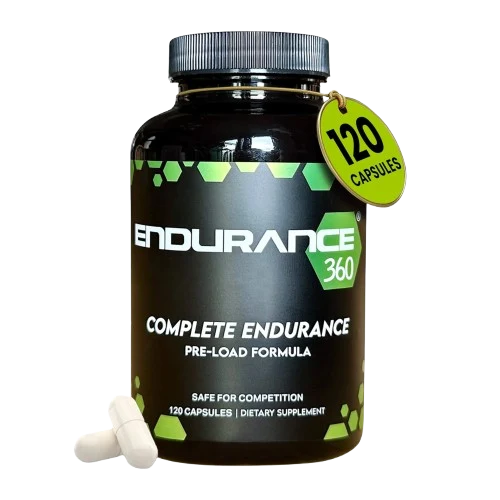
Because it works on a multi-week timeline, beta-alanine is a training-block supplement, not a race-morning one. It suits events with repeated 1 to 4 minute surges: road racing, criteriums, cyclocross, and the repeated climbing efforts of a long day. Endurance360® is built around this chronic-loading model, pairing beta-alanine with creatine and cordyceps, and our E360 Loading Plan calculator maps the 14-day ramp. For the beta-alanine mechanism on its own, see our beta-alanine for endurance guide.
Complete
Endurance 360
Our product
- Chronic Lactic Acid Buffering
- ATP & Cellular Saturation
- Cordyceps & Adaptogen Matrix
Exogenous lactate: the experimental newcomer
The best-known consumer product in this category is SportLegs, a magnesium and calcium lactate capsule whose marketing argues that raising blood lactate early signals muscles to produce less of it. That mechanism is worth reading carefully against the evidence; see the SportLegs alternative breakdown for the trial data.
Exogenous lactate is the least proven of the three. It acts as a mild buffer and a possible extra fuel, delivered either as a single calcium-lactate dose (~120 mg/kg) or, in products like ExoLactate, as 5 g of lactate co-ingested with carbohydrate. Human performance trials are mixed: some show a small time-trial bump or lower perceived effort, others show nothing.
Lactate is genuinely a usable fuel and a mild buffer, but the performance payoff stays elusive and there is no published RCT on the specific carbohydrate co-ingestion protocol yet. It is the one buffer here to treat as an experiment rather than a staple. If you want to test it, do it cheaply and in training first with our DIY Energy Gel calculator. For the full evidence review, see lactate energy gels and our ExoLactate breakdown.
Frequently asked questions
Can I take beta-alanine and sodium bicarbonate together? Yes, and the research suggests they can be complementary because they buffer in different compartments (intracellular vs extracellular). Beta-alanine is a chronic loading supplement and bicarbonate is an acute pre-effort dose, so they fit different parts of your routine. Introduce them one at a time so you can attribute any GI issues correctly.
Which buffer is best for a long endurance event? For steady aerobic efforts, none of these three is the primary lever; carbohydrate, hydration, and dietary nitrate matter more. Beta-alanine helps most when a long event includes repeated high-intensity surges. Bicarbonate and exogenous lactate are aimed at shorter or more experimental use cases.
Is exogenous lactate better than beta-alanine? No, based on current evidence. Beta-alanine has the stronger and more consistent research base for buffering repeated high-intensity efforts. Exogenous lactate has mixed, modest data and remains experimental.
Are any of these banned for drug-tested athletes? None of the three is on the WADA, NCAA, or USADA prohibited lists. Drug-tested athletes should still choose products that are third-party batch tested, since certification applies to products, not just ingredients.
Related reading
Related Articles
Jan 30, 2023
Creatine vs Beta-Alanine for Endurance Athletes (2026)
Creatine and beta-alanine fuel different systems: creatine regenerates ATP for short bursts, beta-alanine buffers lactic acid. When to run each.
Aug 20, 2026
Beta-Alanine Itch: Why It Happens and How to Stop It
The beta-alanine tingle starts near 800 mg in one dose, peaks around 20 minutes, and fades within an hour. Why it happens, and how to stop it.
Apr 13, 2026
Beta-Alanine for Endurance: Lactic Acid Buffering
How beta-alanine raises muscle carnosine to buffer lactic acid, lift threshold, and delay the burn for endurance athletes. Dose, timing, and the tingling.
*Technical citations and PubMed references are provided for performance education only. These statements have not been evaluated by the FDA.