
Best Supplements for Runners: A Training-Phase Guide: The Short Answer
Runners get the most benefit from organizing supplements by training phase rather than buying everything at once. Daily foundation: magnesium (300 to 400mg) and vitamin D3/K2 for deficiency-driven cramping and bone health. Workout days: dietary nitrate (300 to 600mg, 2 to 3 hours pre-run) for oxygen efficiency and beta-alanine/creatine (loaded over 10 to 14 days) for threshold buffering. Recovery: B12 for energy metabolism in high-mileage runners. Most runners are over-supplemented on generic multivitamins and under-supplemented on the two or three ingredients with real running-specific evidence.
Why a Running-Specific List, Not a Generic Endurance List
Runners have a narrower risk profile than cyclists or triathletes: no aero position to manage, but a much higher rate of impact-related iron loss (foot-strike hemolysis) and a training volume that is almost entirely weight-bearing, which changes which deficiencies actually show up. This list is organized by when a supplement helps, not by category, because that is how a runner's week is actually structured.
Most "top supplements for endurance athletes" lists are built for cycling first, since power meters make cycling research easier to run, then applied to running with generic caveats. Runners have their own evidence base worth using directly. For the sport-agnostic version of this list covering cycling and triathlon too, see Top 10 Supplements for Endurance Athletes, Ranked by Evidence.
Daily Foundation: Magnesium and Vitamin D3/K2
Magnesium (300 to 400mg elemental daily) addresses genuine mineral-depletion cramping, which is common in high-mileage runners who sweat heavily, though it will not fix cramps caused by neuromuscular fatigue rather than depletion. Vitamin D3 with K2 supports bone density, which matters more for runners than for cyclists because running is a repetitive-impact sport and low vitamin D is linked to stress fracture risk.
These are the two ingredients worth taking daily, year-round, independent of training phase, because the deficiencies they address (mineral depletion from sweat, low vitamin D from limited sun exposure and high training volume) build up regardless of what block you're in. Full dosing and evidence: Magnesium for Endurance Athletes and Vitamin D3 and K2 for Athletes.
Workout Days: Dietary Nitrate and Beta-Alanine
Dietary nitrate (300 to 600mg, taken 2 to 3 hours before a hard effort) reduces the oxygen cost of running at a given pace, a well-established acute effect. Beta-alanine and creatine, by contrast, require 10 to 14 days of daily loading before they buffer threshold-pace fatigue, so they belong in the base of a training block, not the morning of a workout.
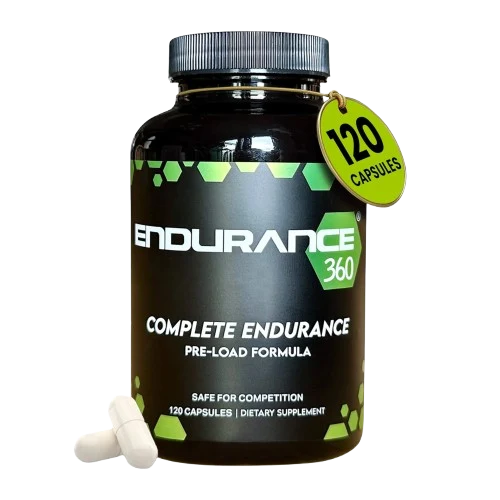
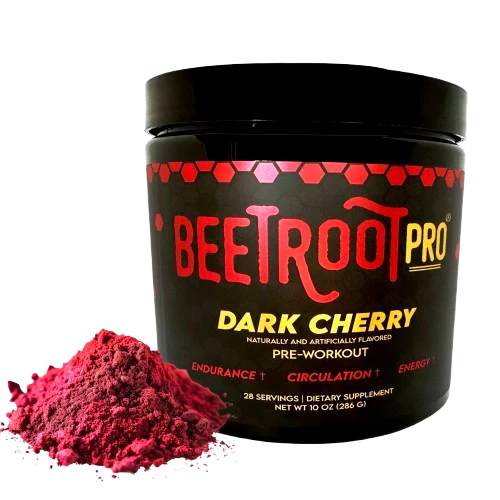
This is the split that trips runners up most: nitrate is acute (dose it before the session that needs it) and beta-alanine/creatine are chronic (load them into your system ahead of the training block where you need higher-intensity output). Running these two on the same calendar, nitrate on hard-effort days and beta-alanine/creatine loaded continuously through a block, is how Endurance360 and Beetroot Pro are designed to pair, covered in full at Beetroot Pro vs. Endurance360: Which Should You Take First?
Recovery: B12 and CoQ10 for High-Mileage Weeks
Vitamin B12 supports red blood cell production and energy metabolism, and runners logging high weekly mileage are at real risk of a functional deficiency even with normal dietary intake, since training volume increases turnover. CoQ10 supports mitochondrial ATP production and has modest evidence for reducing exercise-induced oxidative stress in trained athletes.
Neither is a workout-day supplement; both are foundation-layer additions worth checking against a blood panel rather than assuming. Full detail: Why Athletes Are Using Vitamin B12 and Best CoQ10 Supplements for Athletes.
Runner-Specific Supplement Schedule
| Phase | Supplement | Dose | Timing |
|---|---|---|---|
| Daily foundation | Magnesium | 300 to 400mg elemental | Any time, consistently |
| Daily foundation | Vitamin D3 + K2 | Per label, blood-test guided | Any time, consistently |
| Workout days | Dietary nitrate | 300 to 600mg | 2 to 3 hours pre-run |
| Training block | Beta-alanine + creatine | Loaded 10 to 14 days | Daily, ongoing through the block |
| Recovery / foundation | Vitamin B12 | Per label, blood-test guided | Any time |
| Recovery / foundation | CoQ10 | Per label | Any time |
What Most Runners Should Skip
A generic sports multivitamin duplicates what most runners already get from food and sits poorly beside the targeted doses above, since most multivitamin blends under-dose the ingredients that matter (magnesium, B12) to fit dozens of others on one label. BCAA products and high-dose antioxidant blends (vitamin C/E megadoses) have the weakest evidence in this entire category for endurance-specific outcomes, and there is some evidence high-dose antioxidants can blunt training adaptation when taken chronically around hard sessions.
Frequently Asked Questions
What supplements actually help running stamina?
The two with the most direct evidence are dietary nitrate, for the acute oxygen-cost reduction on a hard-effort day, and beta-alanine, for buffering the fatigue that caps threshold-pace efforts once loaded over 10 to 14 days. Everything else on this list addresses foundational deficiency risk (magnesium, vitamin D, B12) rather than a direct stamina mechanism.
Do runners need a different multivitamin than other athletes?
Not a different multivitamin so much as a different set of priorities. A generic multivitamin dose-dilutes magnesium and B12 to fit alongside a dozen other ingredients, and those are the two most likely to matter for a high-mileage runner. Targeted single-ingredient dosing at the levels in the table above outperforms a generic blend for a runner's actual risk profile.
How much magnesium should a runner take for cramps?
300 to 400mg of elemental magnesium daily is the typical evidence-backed range, and it will help cramps caused by genuine mineral depletion from heavy sweating. It will not resolve cramping caused by neuromuscular fatigue, which is a separate mechanism and a large share of race-day cramp cases; see the leg cramp supplement protocol for how to tell the two apart.
The Ultimate
VO2 Max System
Our product
- Acute Nitric Oxide Vasodilation
- Chronic Lactic Acid Buffering
- Stimulant Free, cGMP Certified Manufacturing
FDA Disclaimer: These statements have not been evaluated by the Food and Drug Administration. This product is not intended to diagnose, treat, cure, or prevent any disease.
Technical FAQ Extension
What supplements actually help running stamina?
The two with the most direct evidence are dietary nitrate, for the acute oxygen-cost reduction on a hard-effort day, and beta-alanine, for buffering the fatigue that caps threshold-pace efforts once loaded over 10 to 14 days. Everything else on this list addresses foundational deficiency risk (magnesium, vitamin D, B12) rather than a direct stamina mechanism.
Do runners need a different multivitamin than other athletes?
Not a different multivitamin so much as a different set of priorities. A generic multivitamin dose-dilutes magnesium and B12 to fit alongside a dozen other ingredients, and those are the two most likely to matter for a high-mileage runner. Targeted single-ingredient dosing outperforms a generic blend for a runner's actual risk profile.
How much magnesium should a runner take for cramps?
300 to 400mg of elemental magnesium daily is the typical evidence-backed range, and it will help cramps caused by genuine mineral depletion from heavy sweating. It will not resolve cramping caused by neuromuscular fatigue, which is a separate mechanism and a large share of race-day cramp cases.
Related Articles

Jun 2, 2026
Best Supplements for Energy in Endurance Athletes
The best energy supplements for endurance athletes: dietary nitrate, caffeine, creatine, and beta-alanine. Different mechanisms that combine cleanly.

Apr 13, 2026
Polarized vs Periodization Training
Polarized vs pyramidal vs threshold training compared: how intensity distribution drives endurance adaptation and fits your phase.
Apr 13, 2026
Top 10 Endurance Supplements, Ranked by Evidence (2026)
The best endurance supplements, ranked by evidence tier: nitrate, creatine, beta-alanine, caffeine, plus foundational picks like iron and B12, with doses.
*Technical citations and PubMed references are provided for performance education only. These statements have not been evaluated by the FDA.