Pre-Workout Without Beta-Alanine: What Works: The Short Answer
Beta-alanine is a chronic supplement, not an acute one: it works by raising muscle carnosine over 4 or more weeks and contributes nothing on the day you take it. So a pre-workout without beta-alanine gives up no same-session benefit at all. What actually works acutely is dietary nitrate (60 to 90 minutes before, for oxygen efficiency) and caffeine (30 to 60 minutes before, for perceived exertion). If you want beta-alanine's buffering, take it separately on its own schedule.
Searching for a pre-workout without beta-alanine usually means one of two things: the tingle is unbearable, or you have worked out that it does not seem to do anything on the day you take it. The second instinct is the more interesting one, because it is correct, and it changes what you should be looking for on the label.
Do You Lose Anything Without Beta-Alanine?
No, not on the day. Beta-alanine works by raising muscle carnosine over at least 4 weeks of daily intake, so its benefit is entirely chronic. Taking it 30 minutes before a session contributes nothing to that session. A pre-workout without beta-alanine gives up no acute performance benefit, which makes it the one common pre-workout ingredient you can remove without a same-day tradeoff.
This surprises people because beta-alanine produces the most noticeable sensation of anything in a pre-workout, and sensation reads as potency. But the tingle is nerve activation from a single dose, and the buffering benefit comes from accumulated muscle carnosine over weeks. Those are different thresholds and different timescales. See why beta-alanine makes you itch for the mechanism.
The practical consequence: putting beta-alanine in a pre-workout is a formulation convenience, not a performance decision. It works exactly as well taken at any other time of day, split into smaller doses, which also removes the tingle.
What Actually Works Acutely
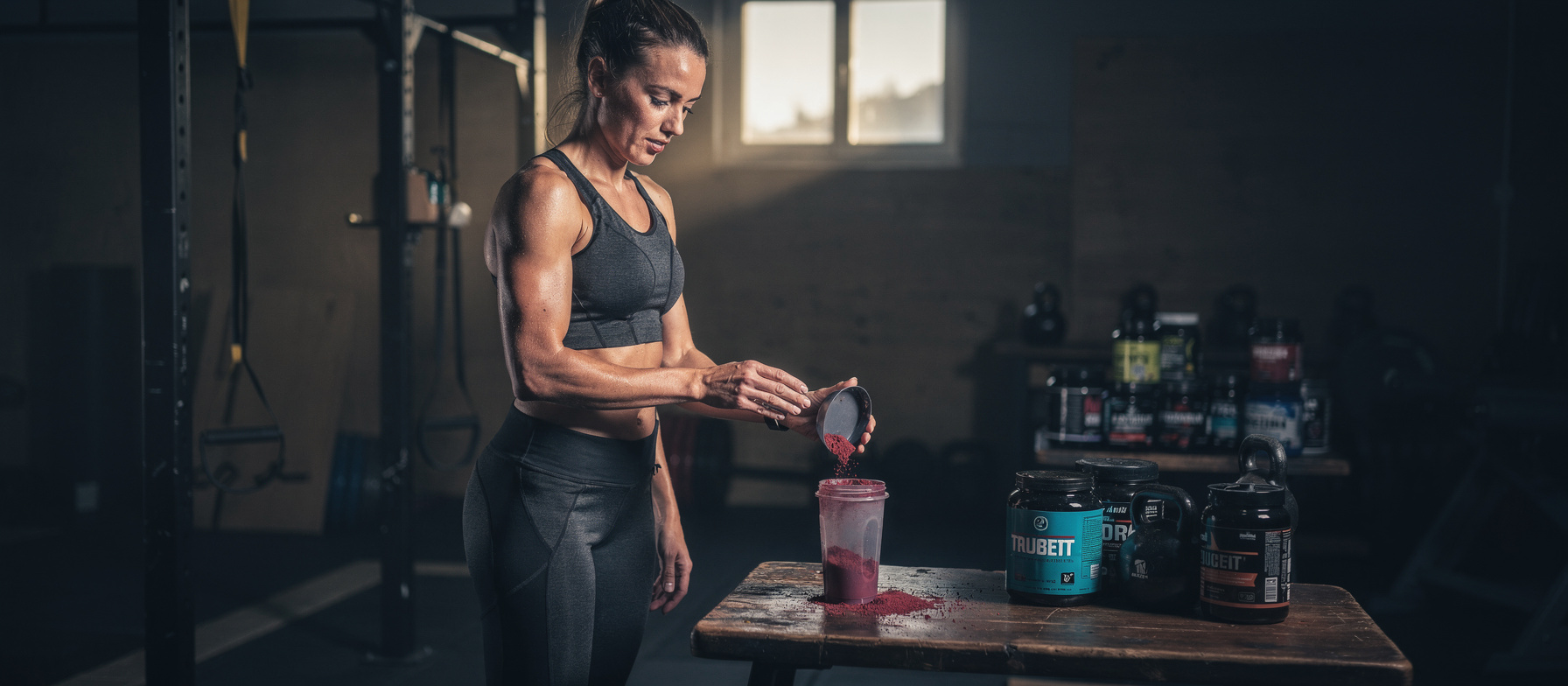
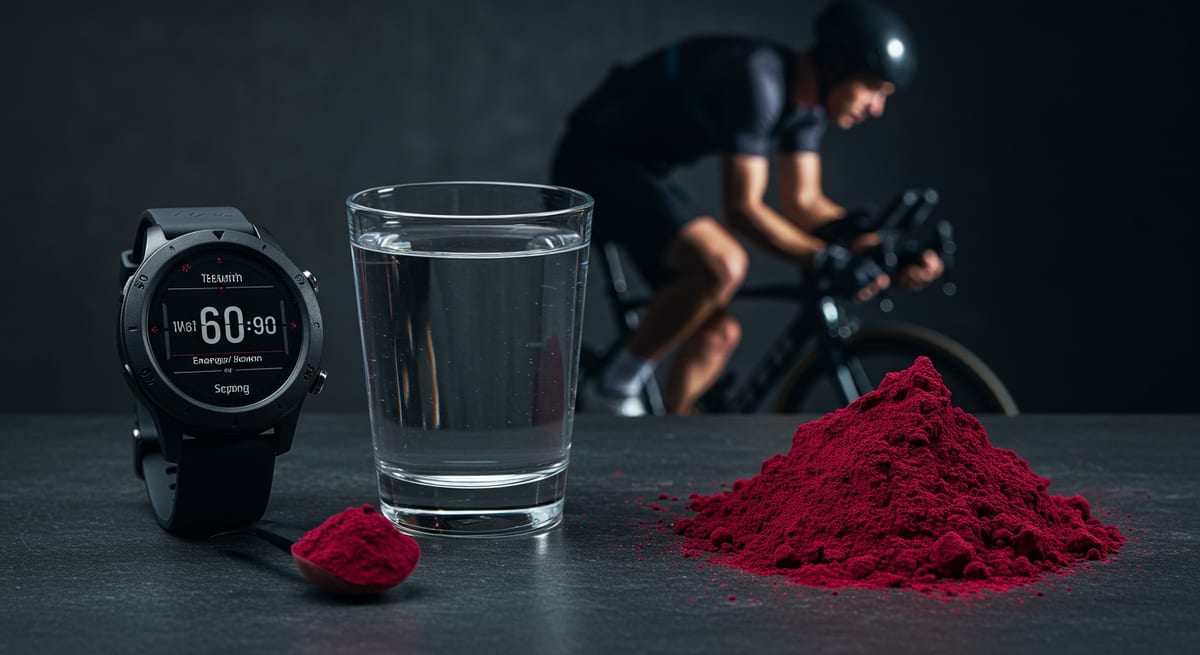
Two ingredients have genuine same-session effects with a defensible timing window. Dietary nitrate improves oxygen efficiency and should be taken 60 to 90 minutes before the effort. Caffeine lowers perceived exertion and works 30 to 60 minutes before. Everything else in a typical pre-workout is either chronic, like beta-alanine and creatine, or has weak acute evidence.
| Ingredient | Acute or chronic | Timing before effort | What it changes |
|---|---|---|---|
| Dietary nitrate | Acute | 60 to 90 min | Oxygen cost of submaximal work |
| Caffeine | Acute | 30 to 60 min | Perceived exertion, alertness |
| Beta-alanine | Chronic only | Any time of day | Muscle carnosine over 4 or more weeks |
| Creatine | Chronic only | Any time of day | Phosphocreatine stores over 3 to 4 weeks |
| Citrulline | Mixed evidence | 60 min | Blood flow, with inconsistent results |
Read a tingle-free label against that table rather than against ingredient count. A pre-workout that removed beta-alanine and replaced it with nothing has lost nothing. One that removed it and leans on citrulline instead has swapped a chronic ingredient for one with weaker acute evidence.
Technical
Beetroot Pro
Our product
- Patented betaine nitrate
- Acute Oxygen Efficiency
- 30 Calories Per Serving
How to Read a Tingle-Free Pre-Workout Label
Check three things: whether the acute ingredients are present at a stated amount, whether any chronic ingredient is being sold on an acute promise, and whether the nitrate figure is published at all. A beet-based pre-workout that prints no dietary nitrate figure cannot be dosed for performance, because independent testing of 24 beet juice products found a roughly 50-fold range in nitrate per serving.
That spread, in which only 5 of the 24 products consistently delivered 5 mmol (about 310 mg) or more per serving (Gallardo and Coggan, 2019), is the single most useful thing to know when comparing beet-based pre-workouts, and most labels do not give you the number that would let you check it. The detail is in how much nitrate is in a beet supplement.
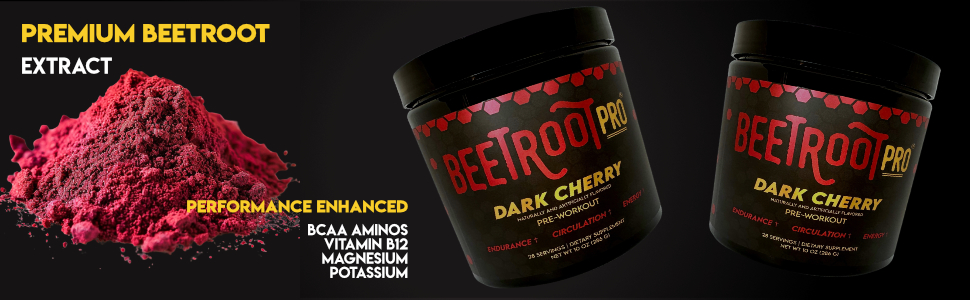
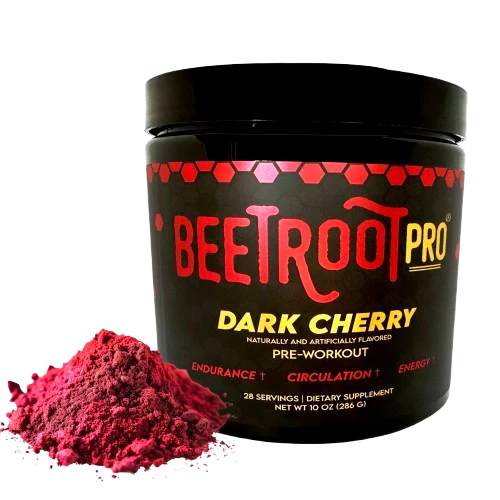
Beetroot Pro® contains no beta-alanine at all, so it produces no tingle. Its serving is built on an 8,000 mg beet root extract standardized to 2% nitrate, which is where its roughly 160 mg of dietary nitrate comes from. Being straight about that figure: 160 mg sits below the 300 to 600 mg range used in most published dietary nitrate research, it is arithmetic across the certificate of analysis and the panel rather than a number printed on the label, and we will send the certificate of analysis to anyone who wants to check it.
Should You Take Beta-Alanine Separately?
If you train at threshold or do repeated 1 to 4 minute efforts, yes, on its own schedule. The researched dose is 3.2 to 6.4 g daily for at least 4 weeks, split into servings of 800 mg to 1.6 g to stay under the tingle threshold. Taking it separately is strictly better than having it in a pre-workout, because it decouples the dose from your training time.
This is the resolution to the whole question. You are not choosing between beta-alanine and a tingle-free pre-workout. You can have both, by taking beta-alanine at breakfast and lunch and a nitrate-based pre-workout an hour before you train.
Endurance360® contains beta-alanine inside its 2,000 mg Endurance Blend, shared with creatine, so it is not sized as a standalone loading dose either. If carnosine saturation is the specific goal, buy beta-alanine on its own.
Frequently Asked Questions
Is beta-alanine bad for you? No. The tingling is a benign sensory side effect with no histamine involvement and no lasting effect. It is a comfort question, not a safety one.
Why do so many pre-workouts include beta-alanine if it does nothing acutely? Partly because it genuinely works over weeks and a daily pre-workout is a reliable way to get people to take it daily, and partly because the tingle is widely read as evidence the product is strong.
What is the best pre-workout without beta-alanine? It depends on whether you want stimulant or non-stimulant. The test that matters is whether the acute ingredients are present at a disclosed amount. For a beet-based option, insist on a published dietary nitrate figure in milligrams.
Can I just drink coffee instead? For the caffeine effect, essentially yes, and the evidence for caffeine is strong. What coffee does not give you is dietary nitrate, which works on a different mechanism (oxygen efficiency rather than perceived exertion).
References:
- Trexler ET, et al. (2015). International Society of Sports Nutrition position stand: Beta-Alanine. JISSN.
- Gallardo EJ, Coggan AR. (2019). What's in your beet juice? Nitrate and nitrite content of beet juice products marketed to athletes. Int J Sport Nutr Exerc Metab.
- Saunders B, et al. (2017). Beta-alanine supplementation to improve exercise capacity and performance: a systematic review and meta-analysis. Br J Sports Med.
These statements have not been evaluated by the Food and Drug Administration. This product is not intended to diagnose, treat, cure or prevent any disease.
Related Articles
Jul 25, 2026
Beetroot Pre-Workout: Does It Replace Stimulants?
Beetroot powder works as a pre-workout through vasodilation, not stimulation. The mechanism, the dosing window, and when it beats (or loses to) caffeine.
Apr 13, 2026
How Much Beetroot Juice Before a Workout? (500ml)
Drink 500ml of beetroot juice 60 to 90 minutes before training to hit the clinical 300 to 600mg nitrate dose. Full timing and dosing protocol inside.
Apr 13, 2026
What Is Betaine Nitrate? How NO3-T® Works
Betaine nitrate bonds betaine (TMG) to nitrate: nitrate fuels nitric oxide for oxygen efficiency, betaine hydrates cells. How the patented NO3-T form works.
*Technical citations and PubMed references are provided for performance education only. These statements have not been evaluated by the FDA.