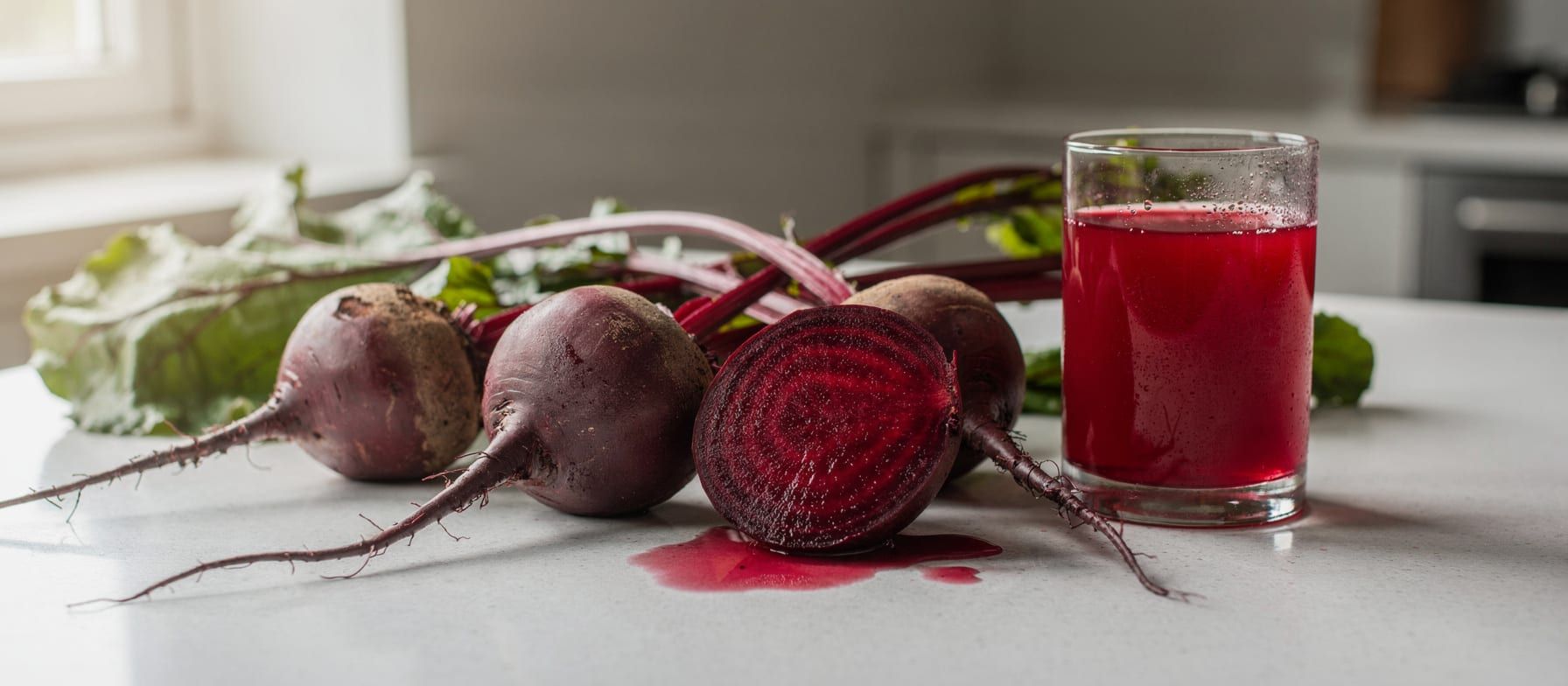
Why Beets Turn Your Pee Pink (And What It Means): The Short Answer
Beeturia, the pink urine that follows eating beets, affects roughly 10 to 14 percent of people and is harmless. It is not a genetic trait, despite decades of being taught that way. The red betalain pigment is destroyed by stomach acid, iron, and colonic bacteria, and protected by the beet's own oxalic acid. Whether you see pink depends on gastric pH, stomach emptying rate, and oxalate load, not DNA. Red urine with no beets involved warrants a doctor.
You eat beets for dinner. The next morning the toilet bowl is bright pink and for a moment your stomach drops.
Almost everyone who has this experience assumes one of two things: that something is badly wrong, or that they have a quirky genetic trait. Both are usually incorrect. The pink is harmless beet pigment, and the reason you get it while the person across the table does not has very little to do with your DNA.
Medical disclaimer: These statements have not been evaluated by the Food and Drug Administration. Supplements are not intended to diagnose, treat, cure, or prevent any disease. Beeturia is not a diagnosis. If you are passing red or pink urine and have not eaten beets, see a physician rather than reading further.
Is Pink Urine After Eating Beets Dangerous?
No. Beeturia, the passage of pink or red urine after eating beets, affects roughly 10 to 14 percent of people and is completely harmless. The color is betalain, the same pigment that makes a beet red, passing through you partially intact. It signals no damage to the kidneys, bladder, or digestive tract, and it clears within a day or two.
The one distinction that genuinely matters is timing. Beeturia only follows beet consumption, typically within 24 hours, and fades on its own. Red or pink urine with no beets in the previous day is not beeturia, and blood in the urine can be painless.
That distinction is not academic. Beeturia has been documented mimicking painless hematuria closely enough to send patients through urological workups. The rule of thumb is simple: if you cannot trace the color to something you ate, do not assume pigment.
Why Some People Get Beeturia and Others Do Not
It is not genetics. The long-repeated claim that beeturia is an inherited trait comes from older literature and does not survive measurement. When researchers assayed betacyanin in 100 people using HPLC, the distribution was skewed but not clearly bimodal, unlike a simple genetic on/off trait. The authors pointed to gastric pH and stomach emptying rate instead.
That 1993 study in Pharmacogenetics (PMID 8148871) is the one most popular articles miss. After a 60 mg dose of beetroot extract, urinary recovery of the main pigment ranged from 0.06 to 0.54 percent, a skewed spread rather than two clean groups. Drawing partly on rat experiments, the authors suggested that the fate of beet pigment is decided mostly in the gut, by gastric pH and emptying rate, not by the liver or kidneys and not by an inherited enzyme defect.
So beeturia is less a trait you have than a condition you are in on a given day. The same person can pass pink urine after one beet salad and nothing after the next.
The Oxalate Experiment That Explains Everything
Betalain is a redox indicator, meaning its color survives only under the right chemical conditions. A 1995 study in QJM found the pigment is destroyed by stomach acid, by ferric iron, and by colonic bacteria, but not by pancreatic or intestinal enzymes. Oxalic acid, which beets contain naturally, protects the color from all of that.
The experiment that proves it is unusually clean. Researchers gave betalain plus 1 gram of oxalic acid to people who had never had beeturia. They became beeturic. The oxalic acid shielded the pigment long enough for it to survive the stomach and reach the colon intact.
The same study settled where absorption happens. Patients with ileostomies, whose waste bypasses the colon entirely, passed the pigment through without ever turning their urine pink. Beeturia therefore requires the colon, which is why it shows up hours later rather than immediately.
| What happens to the red pigment | Effect |
|---|---|
| Stomach acid (hydrochloric acid) | Destroys the color |
| Ferric iron | Destroys the color |
| Colonic bacteria | Destroy the color |
| Oxalic acid (from the beet itself) | Protects the color |
| Pancreatic and gut-lining enzymes | No effect either way |
Put those together and the whole picture resolves. Low stomach acid, fast gastric emptying, a high oxalate load, or a gut flora that does not degrade betalain efficiently all push you toward pink. Strong stomach acid and a slower transit push you away from it.
How It Works
Why the pigment survives in some people and not others.
Betalain Hits the Stomach
0 to 30 minHydrochloric acid immediately begins stripping the red pigment of its color. Lower stomach acid means less destruction.
Oxalate Shields It
30 to 90 minOxalic acid from the beet acts as a reducing agent and protects the pigment from being decolorized in the stomach.
Gastric Emptying Decides
1 to 3 hrThe faster the stomach empties, the less acid exposure the pigment gets, and the more of it survives the journey.
The Colon Gets Its Turn
3 to 8 hrColonic bacteria decolorize what is left. Whatever survives is absorbed here, which is why beeturia is delayed rather than immediate.
Kidneys Clear the Survivors
6 to 24 hrAbsorbed betacyanin is filtered into the urine. Even in visible beeturia, under 1 percent of the swallowed pigment comes out this way.
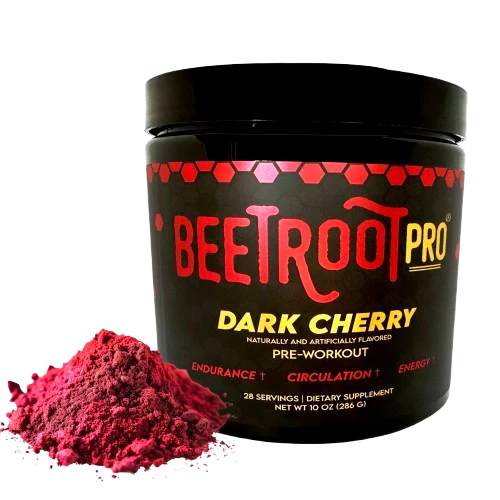
Beetroot Pro delivers standardized dietary nitrate to lower the oxygen cost of every effort.
The Iron Connection: What the Evidence Actually Says
There is a real, long-documented association between beeturia and low iron, and a mechanism that explains it. It is not proof of deficiency. Studies from the 1960s reported beeturia as more common in untreated iron deficiency than in healthy controls, and later work pointed to digestion as a major factor alongside iron.
The mechanism is elegant enough to be worth stating plainly, because it unifies findings that otherwise look contradictory. Ferric iron destroys betalain's color. If you are iron deficient, there is less iron in the gut to do that destroying, so more pigment survives and more of it reaches your urine. Low iron does not create the pigment. It removes one of the things that would have neutralized it.
| Study | Finding |
|---|---|
| Watson et al., 1963, BMJ (PMID 14056925) | Measured beeturia incidence and linked it to iron-deficiency anaemia |
| Tunnessen et al., 1969, Am J Dis Child (PMID 5773410) | Reported beeturia as a sign of iron deficiency |
| Sotos, 1999, Lancet (PMID 10501390) | Letter linking beeturia to iron absorption |
| Watts et al., 1993, Pharmacogenetics (PMID 8148871) | Found pigment excretion was skewed but not clearly bimodal, and pointed to gastric pH and emptying rate rather than genetics |
Treat pink urine as a prompt, not a diagnosis. If you get beeturia often and also run through the ordinary signs of low iron, a ferritin panel is cheap and definitive in a way that a toilet bowl is not. Athletes have a real reason to care here, since endurance training suppresses iron absorption through hepcidin and distance runners are a well-documented low-ferritin population. But plenty of people with perfectly normal iron get beeturia, and plenty of iron-deficient people never do.
Does the Form of Beet You Take Change It?
Yes, and predictably so. Beeturia tracks pigment load and oxalate load, and those vary enormously by form. Whole beets and beet juice deliver the full betalain and oxalate package, which is exactly the combination that produces visible pink. A standardized nitrate extract concentrates the nitrate while carrying far less of the pigment and fiber matrix.
This is the practical takeaway for anyone taking beets daily rather than eating them occasionally. If beet juice shots have been alarming you every morning, the pigment is the reason, and it is not the part doing the vascular work. The nitrate is.
| Form | Pigment load | Typical beeturia |
|---|---|---|
| Whole roasted or boiled beets | Full | Common |
| Beet juice or raw powder | Full | Common |
| Standardized nitrate extract | Much lower | Uncommon |
Worth being clear about the tradeoff rather than selling past it: betalains are not useless. They are genuine antioxidants with real evidence behind them for muscle soreness and recovery, and an extract that strips pigment gives up some of that. If recovery is your goal, whole beet forms have a legitimate argument. If your goal is nitric oxide, blood pressure, or endurance, the nitrate is what you are paying for, and what the label actually discloses matters far more than how red it makes anything.
For the full picture on the other things beets do to people, including the mouthwash mistake that silently cancels the entire nitrate benefit, see our guide to beetroot powder side effects.
Frequently Asked Questions
How long does beeturia last?
Usually 24 to 48 hours after the last beets. The pigment is cleared through urine and stool over roughly a day. If pink or red urine persists beyond 48 hours with no further beet intake, it is not beeturia and warrants medical attention.
Does beeturia mean I have low iron?
Not on its own. The association is real and repeatedly documented, and the mechanism is plausible, since iron is one of the things that destroys the pigment. But the most careful measurement study pointed to gastric pH and stomach emptying as the main drivers, and it did not test iron status directly. If you get beeturia frequently and have other reasons to suspect low iron, ask for a ferritin test rather than guessing.
Is beeturia genetic?
No, despite being taught that way for decades. When betacyanin excretion was actually measured across 100 people, the results formed a skewed but continuous spread rather than the two distinct groups a simple inherited trait produces. Digestion explains it better than inheritance.
Can beets turn your stool red too?
Yes, and by the same mechanism. Red or maroon stool after beets is the pigment surviving the colon. As with urine, the concern is the version with no beets involved, since red or black stool can indicate bleeding and should be evaluated.
Why did I get beeturia once and never again?
Because it depends on conditions rather than on you. Stomach acidity, how fast your stomach emptied that day, how much oxalate came with the meal, and what else you ate all shift the outcome. The same person can be beeturic on Monday and not on Friday.
Does beeturia mean the beets are not working?
No. The color has nothing to do with the dietary nitrate that drives nitric oxide production. Pigment and nitrate are separate compounds taking separate paths. Passing pink urine does not mean you are wasting the nitrate, and passing clear urine does not mean the beets failed.
The Bottom Line
Beeturia is harmless, affects roughly 10 to 14 percent of people, and is a story about digestion rather than genetics. Stomach acid, iron, and gut bacteria destroy the red pigment; the beet's own oxalic acid protects it. What you see in the toilet is the outcome of that chemistry on that particular day.
The one thing worth acting on is the distinction the pigment can obscure. Beeturia follows beets and clears within a day or two. Red urine without them is a different question entirely and belongs with a physician, not a search engine.
And if the color is simply unwelcome, it is separable from the benefit. The nitrate that does the vascular work is not the compound turning anything pink, which is why a standardized nitrate extract delivers the mechanism without the laundry problem.
Technical FAQ Extension
How long does beeturia last?
Usually 24 to 48 hours after the last beets. The pigment is cleared through urine and stool over roughly a day. If pink or red urine persists beyond 48 hours with no further beet intake, it is not beeturia and warrants medical attention.
Does beeturia mean I have low iron?
Not on its own. The association is real and repeatedly documented, and the mechanism is plausible, since iron is one of the things that destroys the pigment. But modern measurement found gastric pH and stomach emptying explained more of the variation than iron status did. If you get beeturia frequently and have other reasons to suspect low iron, ask for a ferritin test rather than guessing.
Is beeturia genetic?
No, despite being taught that way for decades. When betacyanin excretion was actually measured across 100 people using HPLC, the results formed a smooth gradient rather than the two distinct groups a simple inherited trait produces. Digestion, specifically gastric pH and stomach emptying rate, explains it better than inheritance.
Can beets turn your stool red too?
Yes, and by the same mechanism. Red or maroon stool after beets is the pigment surviving the colon. As with urine, the concern is the version with no beets involved, since red or black stool can indicate bleeding and should be evaluated by a physician.
Why did I get beeturia once and never again?
Because it depends on conditions rather than on you. Stomach acidity, how fast your stomach emptied that day, how much oxalate came with the meal, and what else you ate all shift the outcome. The same person can be beeturic on Monday and not on Friday.
Does beeturia mean the beets are not working?
No. The color has nothing to do with the dietary nitrate that drives nitric oxide production. Pigment and nitrate are separate compounds taking separate paths through the body. Passing pink urine does not mean you are wasting the nitrate, and passing clear urine does not mean the beets failed.
Related Articles
Sep 27, 2026
Does Beetroot Lower Cholesterol? No. Here's What Does
Pooled trials found no significant effect of beetroot juice or powder on LDL or total cholesterol. What beetroot does help, and the fiber dose that lowers LDL.
Aug 20, 2026
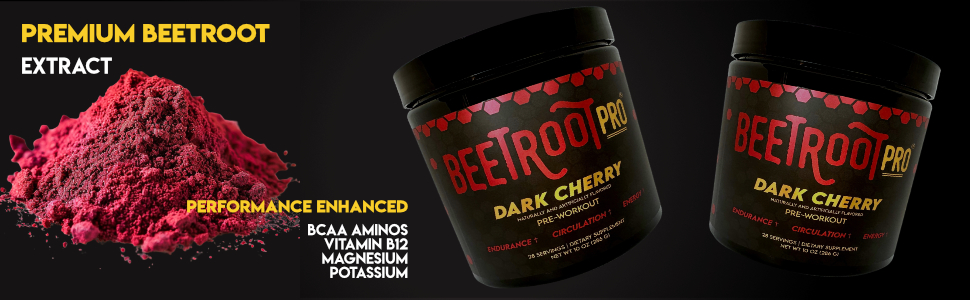
Pre-Workout Without Beta-Alanine: What Works
Beta-alanine does nothing on the day you take it, so a pre-workout without it loses no acute benefit. What to look for instead on a tingle-free label.
Jun 2, 2026
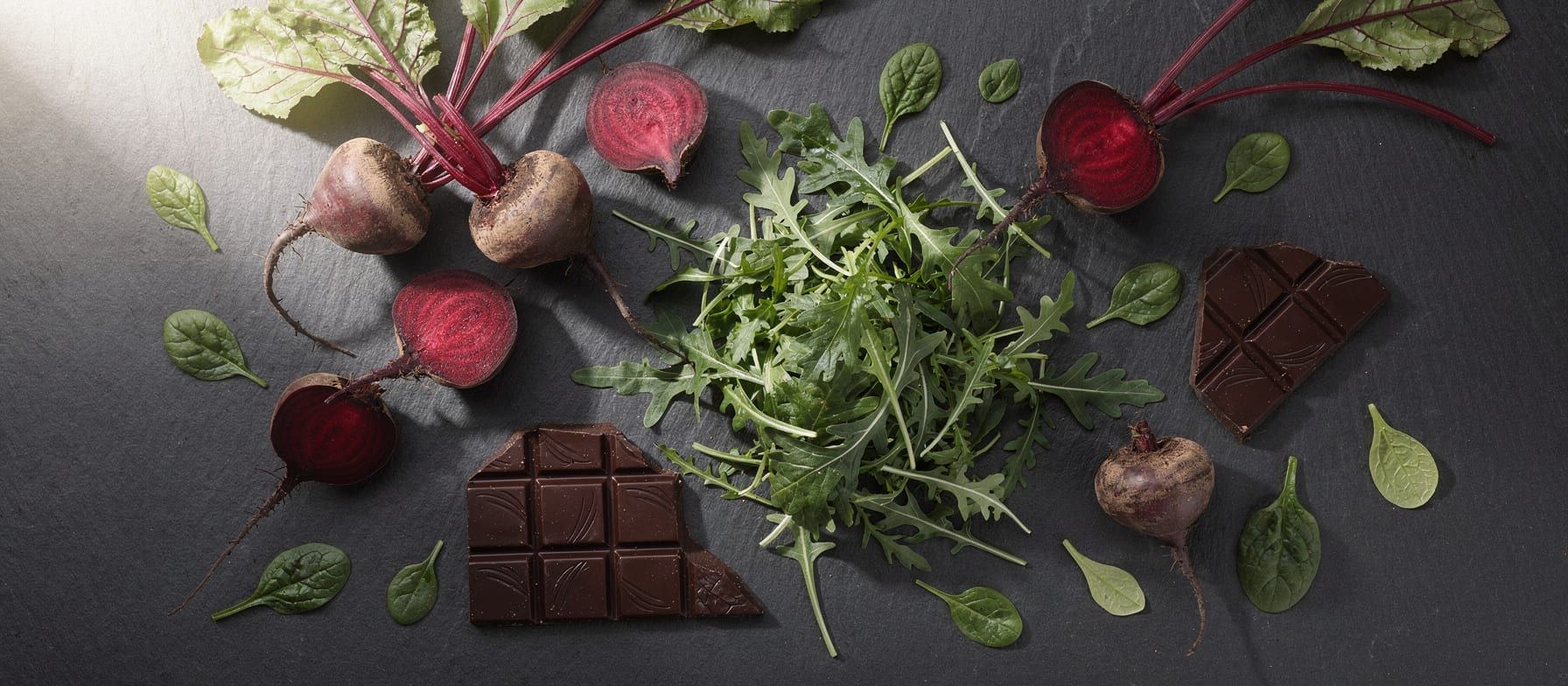
Nitric Oxide Foods: Top Sources to Boost Your Levels
The best foods for nitric oxide are beetroot (1,500+ mg/kg nitrate), arugula, spinach, and dark chocolate. They convert to NO via oral bacteria.
Technical
Beetroot Pro
Our product
- Patented betaine nitrate
- Acute Oxygen Efficiency
- 30 Calories Per Serving
*Technical citations and PubMed references are provided for performance education only. These statements have not been evaluated by the FDA.