
6 Beetroot Powder Side Effects, Explained (2026): The Short Answer
Beetroot powder side effects are mostly form-dependent: GI distress and oxalate load come from raw powder and juice, and standardized extract removes both during processing. Beeturia (pink urine) affects roughly 10 to 15 percent of people and is harmless. Real watchpoints: antibacterial mouthwash blocks the nitrate-to-nitric-oxide conversion entirely, interactions with PDE-5 inhibitors and prescription nitrate medications, and a modest 3 to 5 mmHg systolic blood pressure drop relevant mainly to hypotensive individuals.
Free Tool · 7-Day Race Blueprint: Generate your personalized peak-week plan, complete with a branded PDF covering your daily calorie targets, 7-day nitrate loading and carb-load math, and an intra-race fuel menu calibrated to your body weight. Built from the research of Dr. Asker Jeukendrup, Dr. Andrew Jones, and the AIS Sports Supplement Framework.
Most athletes do their homework before adding a new supplement. If you searched "beetroot side effects" before buying, good: you are asking exactly the right questions. Here is the honest breakdown of what is real, what is form-dependent, and what disappears entirely when you choose a standardized extract over raw beet powder or juice.
Technical
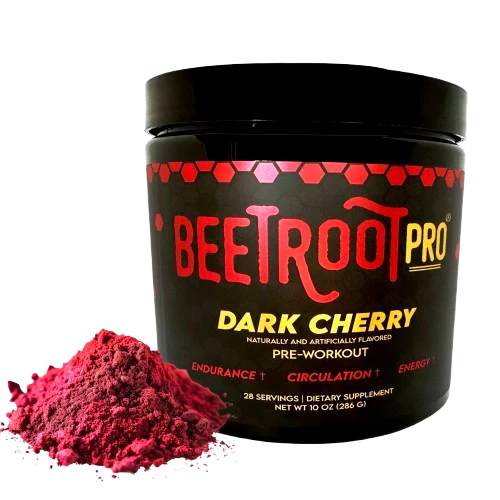
Beetroot Pro
Our product
- Patented betaine nitrate
- Acute Oxygen Efficiency
- 30 Calories Per Serving
| Side effect | Frequency | Mechanism | Prevention |
|---|---|---|---|
| Beeturia (pink urine/stool) | ~10-14% of population | Betalain pigment; genetic inability to break down | Harmless; no action needed |
| Digestive upset | ~5-8% at acute doses | High oxalate content; rapid fermentation | Take with food; start at half dose |
| Temporary blood pressure drop | Possible at high doses | Nitric oxide vasodilation | Avoid >12 mmol single dose; caution with BP medication |
| Mouthwash interference | 100% if used | CPC/chlorhexidine eliminates oral bacteria | Avoid antibacterial mouthwash on race day |
| Purple-stained teeth/tongue | Rare | Betalain pigment | Rinse mouth after taking |
| Loose stools | Rare, high doses | Oxalate load + osmotic effect | Reduce dose; avoid raw beet fiber forms |
Side Effect 1: Beeturia (Pink or Red Urine and Stool)
Beeturia, the pink or red discoloration of urine and sometimes stool after eating beets, affects roughly 10 to 15 percent of people and is completely harmless. It is caused by betalain pigment passing through digestion partially intact, not by any kidney or digestive dysfunction. Standardized extract produces far less visible staining than raw beet powder or juice because the extraction process reduces pigment load while concentrating nitrate.
Beeturia is the pink or red discoloration of urine and stool that follows beet consumption. Roughly 10 to 15 percent of people experience it after eating whole beets or drinking beet juice. It is caused by betalain pigments, the same compounds responsible for beets' deep crimson color, passing through the digestive system partially intact and being excreted through the kidneys and colon.
Why do some people get it and others do not? Not genetics, despite that being the common explanation. When betacyanin excretion was measured across 100 people by HPLC, the distribution was a smooth gradient rather than the two distinct groups an inherited on/off trait produces. The pigment is decolorized by stomach acid, ferric iron, and colonic bacteria, and protected by the beet's own oxalic acid, so gastric pH, stomach emptying rate, and oxalate load decide the outcome. This is not a sign of damage or abnormal kidney function. Iron-deficiency anemia is separately associated with more beeturia, plausibly because there is less iron in the gut to destroy the pigment, so frequent beeturia is a reasonable prompt to check ferritin. Full mechanism: why beets turn your pee pink.
The practical relevance for supplement users: standardized beetroot extract produces far less visible staining than whole-root powder or juice. The extraction process concentrates dietary nitrates while reducing the betalain pigment load. If you have experienced alarming pink urine after beet juice shots, switching to a quality extract often resolves it. If you do notice mild coloration, no action is required.
Side Effect 2: GI Distress (Diarrhea, Bloating, Cramping)
Yes, beet supplements can cause diarrhea, one of six documented side effects, and the trigger is fiber rather than nitrate. Raw beet powder and juice carry the whole root's insoluble fiber; at race intensity, reduced gut blood flow lets undigested fiber ferment into bloating, cramping and loose stools. Standardized extract removes that fiber, so the nitrate dose arrives without it.
Loose stools and diarrhea are the specific complaint behind most "beet powder upset my stomach" reports, and they scale with how much whole root you are taking rather than with how much nitrate. A serving of raw beet powder can carry 4 to 7 g of fiber. Capsules and gummies are not exempt: a beet capsule is usually milled whole root, so the fiber arrives in a smaller package rather than not at all. If symptoms started when you increased your dose or moved to a daily loading block, that is the fiber load talking.
GI distress is the most common complaint from athletes who use raw beet powder or high-volume beet juice. The culprit is fiber. Whole-root beet products carry substantial insoluble and soluble fiber. Under normal circumstances, dietary fiber is beneficial. During high-intensity exercise, it is not. Blood flow is redirected away from the gut, digestion slows, and undigested fiber ferments in the colon, producing gas and cramping. In worst-case scenarios, urgency becomes a race-day disaster.
Timing compounds the problem. Consuming raw powder or beet juice 30 minutes before exercise gives fiber almost no time to clear the stomach. Athletes who experience GI distress after beet products and push intake earlier, to 90 or 120 minutes pre-event, often see partial improvement, but the fiber load remains.
Standardized extraction removes the fiber during processing. The result is a concentrated nitrate dose without the bulk that triggers GI symptoms. This is one of the primary reasons extract is the race-day choice for elite endurance athletes rather than whole-root juice: you get the nitric oxide performance benefit without the gastrointestinal liability. For the full mechanism behind why fiber, not nitrate, is the trigger, see our breakdown of why beet supplements cause GI distress.
If you have abandoned beet supplements because of GI issues after juice or raw powder, extract is worth re-evaluating before writing off the category entirely.
Why Is Your Beet Supplement Not Working?
Question 1 of 5
How much nitrate are you actually getting per serving?
Side Effect 3: Oxalate Load
Beets rank among the higher-oxalate vegetables, and daily nitrate-loading protocols with raw powder or juice can mean meaningful chronic oxalate intake, a concern for anyone with a history of calcium oxalate kidney stones. Standardized extraction concentrates dietary nitrate from the beet matrix while removing much of the oxalate, so a given nitrate dose arrives with a far smaller oxalate load.
Beets are among the higher-oxalate vegetables. Oxalates are naturally occurring compounds found in many plant foods. For most people, dietary oxalate is absorbed, excreted by the kidneys, and causes no problems. For a subset of individuals, specifically those with a personal or family history of calcium oxalate kidney stones, chronic high oxalate intake can contribute to stone formation.
Athletes on daily nitrate-loading protocols who use raw beet powder or juice consume substantial oxalate over time. A clinical loading protocol might involve 500 to 600 mg of inorganic nitrate per day for several days, which, from a whole-beet source, comes packaged with meaningful oxalate content. See our guide on how much nitrate is in your beet supplement for how that dose is actually measured and verified on a label.
Standardized extraction concentrates inorganic nitrate from the beet matrix while removing much of the oxalate. For athletes who load frequently or use beetroot supplementation year-round, extract is the lower-risk long-term choice, particularly for those with any history of kidney stones.
If you have had a kidney stone previously, especially a calcium oxalate stone, consult a physician or registered dietitian before starting any high-dose beet supplement protocol regardless of the form.
Side Effect 4: The Mouthwash Interaction (Not a Side Effect, a Mechanism Killer)
Antibacterial mouthwash is the single most common reason beet supplements fail to work. The nitrate-to-nitric-oxide pathway depends entirely on oral bacteria to convert swallowed nitrate to nitrite, and chlorhexidine or CPC-based rinses eliminate those bacteria, blocking the conversion almost completely. Skipping antibacterial mouthwash on training and race days is a free fix with no downside.
This is not a side effect in the traditional sense, but it deserves prominent placement because it affects so many athletes. The nitrate-to-nitric-oxide conversion pathway depends on oral bacteria. Dietary nitrate is absorbed in the small intestine and circulated to the salivary glands. Bacteria on the tongue reduce salivary nitrate to nitrite. That nitrite is swallowed and converted to nitric oxide in the stomach, particularly in the acidic gastric environment.
Antibacterial mouthwash eliminates the oral bacteria that make this conversion possible. Two studies show the size of the effect:
- Before a nitrate dose: in a crossover study of seven healthy volunteers, a chlorhexidine rinse before a sodium nitrate dose abolished the conversion of nitrate to nitrite in saliva and markedly attenuated the rise in plasma nitrite (Govoni M et al., 2008).
- After a week of daily use: in 19 healthy volunteers, seven days of chlorhexidine mouthwash cut oral nitrite production by 90% and plasma nitrite by 25%, and raised blood pressure by 2 to 3.5 mmHg (Kapil V et al., 2013).
If you use mouthwash in the morning and take your beetroot supplement shortly after, you may be getting little to no performance benefit. Skip the antibacterial mouthwash on training and race days, or use it at night only. Plain water rinsing is fine. See our dedicated guide on the mouthwash mistake that kills your beet dose for the full mechanism and protocol recommendations.
Side Effect 5: Nitrate Interactions with Certain Medications
Dietary nitrate supplements should not be combined with PDE-5 inhibitors (sildenafil, tadalafil) or prescription nitrate medications for angina (nitroglycerin, isosorbide dinitrate), since both work through the same cGMP vasodilation pathway and combining them can cause a dangerous drop in blood pressure. This is rare in competitive endurance athletes but more relevant for Masters athletes aged 50 and older managing cardiovascular conditions.
Dietary nitrate supplements should not be combined with certain prescription medications. The two categories to know:
PDE-5 inhibitors: Sildenafil (Viagra), tadalafil (Cialis), and related drugs work by inhibiting the phosphodiesterase enzyme that breaks down cyclic GMP. Nitric oxide also works through the cGMP pathway. The combined effect of a PDE-5 inhibitor and high dietary nitrate can produce an additive vasodilation response that causes a significant and potentially dangerous drop in blood pressure.
Nitrate-based angina medications: Nitroglycerin and isosorbide dinitrate are prescription nitrate medications used to treat angina and heart failure. Combining supplemental dietary nitrate with these drugs can result in excessive vasodilation.
The realistic risk in the endurance athlete population is low. Most competitive cyclists, runners, and triathletes are not on these medications. The concern is more relevant for Masters athletes (50 plus) who may have cardiovascular conditions managed with prescription nitrates or who use PDE-5 inhibitors. If you are on any cardiovascular medication, review your supplement routine with your prescribing physician before adding dietary nitrate.
Side Effect 6: Blood Pressure Drop (Relevant for Hypotensive Individuals)
Dietary nitrate lowers systolic blood pressure by about 3 to 5 mmHg on average through nitric oxide-driven vasodilation, a benefit for normotensive and hypertensive individuals. For people with already-low baseline blood pressure, that same drop can cause lightheadedness or orthostatic hypotension, especially standing up right after exercise, so starting with a lower dose and monitoring symptoms is the practical safeguard.
The nitric oxide pathway lowers blood pressure by dilating blood vessels. This is largely the point: improved vasodilation means better oxygen delivery to working muscles. In one study of eight healthy men, six days of beetroot juice (about 5.6 mmol of nitrate a day) lowered systolic blood pressure from 132 to 124 mmHg (Bailey SJ et al., 2009); pooled across 16 trials, the average systolic drop was 4.4 mmHg (Siervo M et al., 2013). For normotensive individuals this effect is generally beneficial or neutral.
For people with already-low blood pressure (clinical hypotension), the additional vasodilation from dietary nitrate supplementation can cause lightheadedness, dizziness, or orthostatic hypotension, the sensation of feeling faint when standing up quickly. This can be more pronounced immediately post-exercise, when blood is pooled in the lower extremities.
If you are prone to low blood pressure or regularly experience lightheadedness when standing, start with a lower dose and monitor how you feel. Most athletes do not have this issue. For the flip side of this same nitric oxide pathway, the cardiovascular and vascular blood flow benefits it provides, see beetroot benefits for men.
The Form Matters More Than the Dose
Raw beet powder and beet juice share the same GI distress and oxalate risks because both carry the whole root's fiber and pigment load. Standardized extract, including Beetroot Pro's fiber-free formulation, removes that load during processing while keeping the mechanism-based effects (mouthwash interaction, medication interactions, blood pressure response) identical across all forms, since those come from nitrate chemistry itself, not the plant matrix.
A summary of how different beetroot forms compare across the side effects covered above:
| Side Effect | Raw Beet Powder | Beet Juice | Standardized Extract |
|---|---|---|---|
| Beeturia (pink urine) | High frequency | High frequency | Low to minimal |
| GI distress (bloating, cramping) | Common, especially near exercise | Common | Rare |
| Oxalate load (daily use) | Significant | Significant | Low |
| Mouthwash interaction | Affects all forms equally | Affects all forms equally | Affects all forms equally |
| Medication interactions | Affects all forms equally | Affects all forms equally | Affects all forms equally |
| Blood pressure drop | Present | Present | Present (same mechanism) |
The pattern is clear: the side effects athletes most commonly worry about, GI distress and oxalate load, are properties of the whole-food matrix, not of dietary nitrate itself. Standardized extraction addresses them at the processing level. The mechanism-based effects (mouthwash interaction, medication interactions, blood pressure response) are inherent to nitrate chemistry and apply equally across all forms.
Bottom Line
Beetroot supplementation is safe and well-tolerated for the vast majority of endurance athletes. Reported side effects split into two groups: form-dependent issues (GI distress, oxalate load, heavy beeturia) that come from the whole-beet fiber and pigment matrix and are largely resolved by switching to a standardized, fiber-free extract like Beetroot Pro, and mechanism-based watchpoints (mouthwash timing, medication interactions, blood pressure response) that apply equally regardless of form.
Beetroot supplementation is safe and well-tolerated for the vast majority of endurance athletes. The reported side effects cluster into two groups:
Form-dependent issues (resolved by choosing extract): GI distress, oxalate load, and heavy beeturia are primarily associated with raw whole-beet products and high-volume juice. Standardized extract eliminates most of these through processing.
Real watchpoints for a small subset: The mouthwash interaction affects athletes of all beetroot product types. Medication interactions matter for anyone on PDE-5 inhibitors or prescription nitrates. Blood pressure drop is worth monitoring for hypotensive individuals.
Researching a specific raw-capsule brand rather than beetroot in general? Our Rosabella beetroot review walks through this same profile against that product's label.
If raw beet powder or juice has given you problems in the past, those experiences were real, but they may not predict your response to a standardized extract. The nitrate science is robust. The form you use determines most of what you actually feel.
Frequently Asked Questions
The most common beetroot supplement questions center on daily-use safety, stomach upset, blood pressure limits, and medication interactions, all of which come down to two variables: the form of beet product used and any pre-existing medical condition.
Is beetroot powder safe for daily use?
Yes, for most athletes. The key variable is form. Standardized extract used in daily loading protocols carries minimal oxalate load and low GI risk. Raw whole-beet powder consumed daily in performance doses is harder on the digestive system and carries a higher oxalate burden over time. If you have a history of kidney stones, consult a physician regardless of form.
Is beet juice bad for your kidneys?
Not for most people, in normal amounts. Beets are a higher-oxalate food, and beet juice concentrates that oxalate load in liquid form, so daily high-dose juice protocols are the scenario worth caring about, not occasional use. The concern is specific to anyone with a personal or family history of calcium oxalate kidney stones, where chronic high oxalate intake is a contributing factor. Standardized extract concentrates the dietary nitrate while removing much of the oxalate, so it carries a meaningfully lower kidney-stone-relevant load than raw juice at an equivalent nitrate dose. If you have had a calcium oxalate kidney stone, talk to a physician before starting a daily beet juice or beet powder protocol.
Can beet juice make your urine red?
Yes, and it is harmless. Beeturia, the pink or red discoloration of urine and sometimes stool, affects roughly 10 to 15 percent of people after drinking beet juice or eating whole beets. It is caused by betalain pigment, the same compound responsible for beets' deep color, passing through digestion partially intact rather than being fully broken down. It is not blood and does not indicate kidney or digestive dysfunction; stomach acidity, gut transit and iron status, rather than a single gene, appear to decide who experiences it. Juice and raw whole-beet powder produce the most visible staining since they carry the full pigment load of the root; a standardized extract produces far less because the extraction process reduces pigment while concentrating nitrate.
Why does beetroot give me an upset stomach?
The most likely cause is fiber content. Raw beet powder and beet juice both contain the full fiber matrix of the root, which is difficult to digest during exercise when blood flow to the gut is reduced. Timing matters too: taking a high-fiber beet product 30 minutes before a race is far worse than 2 hours before. Switching to a standardized extract, which removes fiber during processing, resolves GI symptoms for most athletes.
Can beetroot powder lower blood pressure too much?
For normotensive and hypertensive individuals, the blood pressure reduction from dietary nitrate is modest and beneficial. Clinical research shows average reductions of around 3 to 5 mmHg systolic. For someone with already-low baseline blood pressure, this can occasionally cause lightheadedness, particularly when standing up after exercise. If you have hypotension or take blood pressure medications, start with a lower dose and monitor your response.
Does beetroot interact with any supplements or medications?
The most clinically significant interactions are with PDE-5 inhibitors (sildenafil, tadalafil) and prescription nitrate medications used for angina, where the combined vasodilation effect can cause excessive blood pressure reduction. For most endurance athletes, these are not relevant. Always review your full supplement and medication list with a physician if you have a cardiovascular condition. The mouthwash interaction is also worth noting: antibacterial mouthwash used before supplementation blocks the oral bacteria needed for nitrate conversion and can negate the performance benefit entirely.
References: Larsen FJ, Ekblom B, Sahlin K, Lundberg JO, Weitzberg E. Effects of dietary nitrate on blood pressure in healthy volunteers. N Engl J Med. 2006;355(26):2792-3. / Govoni M, Jansson EA, Weitzberg E, Lundberg JO. The increase in plasma nitrite after a dietary nitrate load is markedly attenuated by an antibacterial mouthwash. Nitric Oxide. 2008;19(4):333-7. / Kapil V, Haydar SM, Pearl V, Lundberg JO, Weitzberg E, Ahluwalia A. Physiological role for nitrate-reducing oral bacteria in blood pressure control. Free Radic Biol Med. 2013;55:93-100. / Siervo M, Lara J, Ogbonmwan I, Mathers JC. Inorganic nitrate and beetroot juice supplementation reduces blood pressure in adults: a systematic review and meta-analysis. J Nutr. 2013;143(6):818-26. / Watts AR, Lennard MS, Mason SL, Tucker GT, Woods HF. Beeturia and the biological fate of beetroot pigments. Pharmacogenetics. 1993;3(6):302-11. / Bailey SJ, Winyard P, Vanhatalo A, Blackwell JR, DiMenna FJ, Wilkerson DP, Tarr J, Benjamin N, Jones AM. Dietary nitrate supplementation reduces the O2 cost of low-intensity exercise and enhances tolerance to high-intensity exercise in humans. J Appl Physiol. 2009;107(4):1144-55.
These statements have not been evaluated by the Food and Drug Administration. This product is not intended to diagnose, treat, cure, or prevent any disease. This content is for informational purposes only and does not constitute medical advice. Consult a qualified healthcare professional before starting any supplement program.
Technical FAQ Extension
Can beet powder cause diarrhea?
Yes. The trigger is fiber, not nitrate. A serving of raw beet powder can carry 4 to 7 g of insoluble fiber, which ferments in the colon and produces loose stools, gas and cramping, and exercise makes it worse because blood flow to the gut drops sharply at intensity. A standardized extract removes the fiber during processing, so the same nitrate dose arrives without the bulk.
Can beet supplements in capsule or gummy form cause diarrhea?
Yes, for the same reason as powder. A beet capsule is usually milled whole root, so the fiber arrives in a smaller package rather than not at all, and gummies add sugar alcohols that can loosen stools on their own. Format does not remove the fiber load; only extraction does.
How long does beet powder diarrhea last?
It typically resolves within a day or two of stopping or halving the dose, because the cause is a fiber and osmotic load passing through rather than any lasting effect on the gut. If symptoms started when you increased your dose or began a daily loading block, drop back to a half serving and take it with food. Symptoms that persist past a few days are worth raising with a physician, since beets are unlikely to be the cause.
What are the side effects of beetroot powder?
The most common side effect is beeturia (pink or red urine and stool), which is harmless and caused by unabsorbed betalain pigment. Raw beet powder and juice can cause GI distress (bloating, cramping, diarrhea) due to high insoluble fiber content, especially during intense exercise. Standardized beetroot extract removes fiber, significantly reducing GI risk. Nitrate-rich foods can temporarily lower blood pressure, a concern for people already on blood pressure medication.
Does beetroot powder affect blood pressure?
Beetroot lowers blood pressure via nitric oxide-induced arterial dilation. The average effect in meta-analyses is a modest reduction of about 3 to 5 mmHg systolic. For athletes with normal to low resting blood pressure, this is typically not a concern. For athletes on antihypertensive medication, combining beetroot with medication could produce excessive blood pressure drops. Consult your physician if you are on blood pressure medication before starting supplementation.
Can I take too much beetroot powder?
Performance does not continue to improve above 300 to 500 mg of dietary nitrate per dose. Very high doses may cause beeturia, temporary GI upset, and a harmless metallic taste. The primary risk of excess applies to raw powder or juice, which also deliver oxalates at high doses. Standardized extract removes oxalates during processing. Stick to the clinical dose range and avoid exceeding two servings per day without specific reason.
Is beet juice bad for your kidneys?
Not for most people, in normal amounts. Beets are a higher-oxalate food, and beet juice concentrates that oxalate load in liquid form, so daily high-dose juice protocols are the scenario worth caring about, not occasional use. The concern is specific to anyone with a personal or family history of calcium oxalate kidney stones. Standardized extract concentrates the dietary nitrate while removing much of the oxalate, so it carries a meaningfully lower kidney-stone-relevant load than raw juice at an equivalent nitrate dose.
Can beet juice make your urine red?
Yes, and it is harmless. Beeturia, the pink or red discoloration of urine and sometimes stool, affects roughly 10 to 15 percent of people after drinking beet juice or eating whole beets. It is caused by betalain pigment passing through digestion partially intact rather than being fully broken down. It is not blood and does not indicate kidney or digestive dysfunction. Juice and raw whole-beet powder produce the most visible staining since they carry the full pigment load of the root; a standardized extract produces far less.
Who should not eat beet root?
Most people can eat beets freely. Three groups should be careful: anyone with a history of calcium oxalate kidney stones, because beets are a higher-oxalate food; people with already-low blood pressure, who may feel lightheaded, especially standing up after exercise; and anyone taking blood pressure or heart medication, who should ask a physician before starting a daily beet supplement.
What happens 3 hours after eating beets?
Around 2 to 3 hours after eating beets or drinking beet juice, plasma nitrite is at or near its peak, because oral bacteria have converted the nitrate and it has cycled back through the gut. Blood vessels are slightly more relaxed, blood pressure may sit a few points lower, and exercise can cost slightly less oxygen. Some people also notice pink urine, which is harmless.
Related Articles
Jun 3, 2026
How Much Beetroot Powder Per Day? 300-600mg (2026)
Dose by milligrams of nitrate, not grams of powder: nitrate varies about 50-fold by product. Target 300 to 600mg daily, with tables by goal and body weight.
Jan 30, 2023
Beetroot Powder Benefits: 6 Backed by Trials (2026)
Beetroot powder cuts oxygen cost 1 to 3%, extends time to exhaustion by 15%, and lowers blood pressure 3 to 5 mmHg. See the studies, doses, and effect sizes.
Jul 16, 2026
How Long Beetroot Powder Takes to Lower Blood Pressure
A single dose raises plasma nitrite in about 45 minutes and lowers blood pressure within 60 to 150 minutes. The full timeline, by product format.
*Technical citations and PubMed references are provided for performance education only. These statements have not been evaluated by the FDA.